Essential guide to exploring standout New York neighborhoods for food, culture, and local life
New York’s neighborhoods are constantly evolving, each offering a distinct personality. Whether you’re a visitor wanting to go beyond the tourist circuit or a local searching for a fresh weekend plan, a few neighborhoods stand out for their food, green space, creative energy, and easy transit connections.
Astoria: multicultural food and neighborhood energy
Astoria’s streets are lined with bakeries, Greek tavernas, Middle Eastern restaurants, and modern cafes. Long-standing bodegas sit next to craft beer bars and modern cocktail lounges, creating a balanced mix of old and new. Walkable streets and plentiful parks—including a waterfront esplanade—make it ideal for relaxed brunches and evening strolls. The neighborhood’s museums and cultural institutions also host frequent community events and outdoor film nights.
Greenpoint and Williamsburg: waterfront views and indie culture
Greenpoint blends a small-town feel with waterfront parks, independent shops, and a strong Polish heritage reflected in delis and bakeries. Nearby Williamsburg remains a hub for creatives—gallery openings, pop-up markets, and live music are common. Both neighborhoods offer ferry service for scenic commutes and a convenient link to Manhattan, making them great for daytime exploration and nightlife.
Jackson Heights and Elmhurst: Queens’ global dining rooms
For adventurous eating, Jackson Heights and nearby Elmhurst are unmatched. Streets packed with Nepali momos, Colombian bakeries, Tibetan cafes, and South Asian sweets create a culinary tour without leaving the block. Multicultural festivals, family-run shops, and dense retail corridors make these neighborhoods rich with local flavor and community-focused commerce.
Harlem: cultural heritage and modern culinary life
Known for its pivotal role in music, art, and activism, Harlem now balances historic venues with new restaurants and boutique shops. Stroll past landmark churches, jazz clubs, and community centers, then stop at a soul-food spot or an upscale bistro. Ongoing public art projects and neighborhood markets keep the area vibrant and walkable.
Inwood and Washington Heights: parks, views, and uptown authenticity
For sweeping parkland and quieter streets, Inwood and neighboring Washington Heights offer access to large green spaces and skyline views along the Hudson.
Historic sites and local Latin American eateries shape a strong community identity. These neighborhoods are often praised for their affordability relative to other Manhattan options while still providing subway access into midtown and downtown.
Red Hook and DUMBO: industrial charm and waterfront play
Brooklyn’s waterfront neighborhoods combine warehouses-turned-studios, artisan markets, and creative workshops.
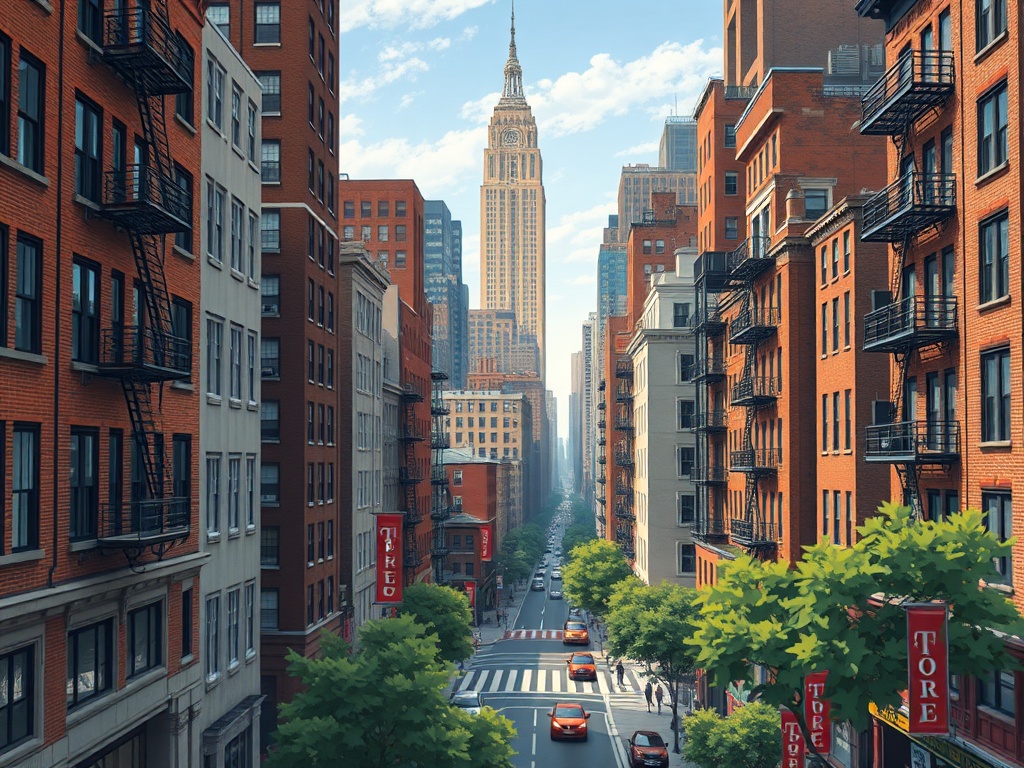
Red Hook feels deliberately off the beaten path—ferry access, waterfront views, and seafood spots make it worth the trip. DUMBO’s cobblestone streets, photo-ready city vistas, and tech-focused businesses attract daytime crowds and weekend explorers.
Tips for exploring like a local
– Walk or bike: Streets reveal small shops, murals, and coffee spots you’d miss by car.
– Use ferries and bike lanes when available for scenic, efficient travel.
– Visit local markets and community gardens to connect with neighborhoods’ daily life.
– Check neighborhood calendars for pop-ups, street fairs, and performances that showcase local talent.
– Respect residential rhythms—weekday mornings and evenings differ from weekend energy.
Each neighborhood offers a snapshot of New York’s layered identity. Spend time wandering side streets, sampling local flavors, and talking with shop owners and residents to get a true sense of place. The most memorable experiences often come from unplanned discoveries beyond the main avenues.