Manhattan’s Waterfront Renaissance: Parks, Resilience, and How to Enjoy the Shoreline
Manhattan’s shoreline has been quietly reinventing itself, trading industrial edges for greenways, piers, and multiuse public space.
The result is a waterfront that blends everyday recreation with forward-looking resilience—places to walk, bike, picnic, and watch the skyline while designers work to protect the island from rising seas and storm surges.
What’s changed along the water
Park projects and converted piers have shifted attention to both rivers. The High Line transformed an elevated rail into a linear park and inspired a wave of creative reuse; waterfront greenways now link neighborhoods and provide long stretches for cycling and jogging.
New public spaces, from intimate pocket parks to larger piers with performance and food options, give residents and visitors more reasons to explore beyond the usual tourist corridors.
Resilience is part of the design
Planners are increasingly integrating flood protection into park landscapes. Instead of hidden concrete barriers, many waterfront upgrades use berms, raised promenades, wetland plantings, and floodable lawns that absorb or redirect stormwater while still offering attractive public space. This approach preserves access while preparing for stronger storms and higher tides, and it often improves habitat and biodiversity along the shoreline.
What to do on the waterfront
– Walk or bike the greenways: Continuous waterfront paths connect many neighborhoods and offer uninterrupted skyline views. Bike-share stations make short trips easy.
– Visit piers and parks: Many converted piers host food vendors, performances, and pop-up markets.
Look for seasonal programming and art installations.
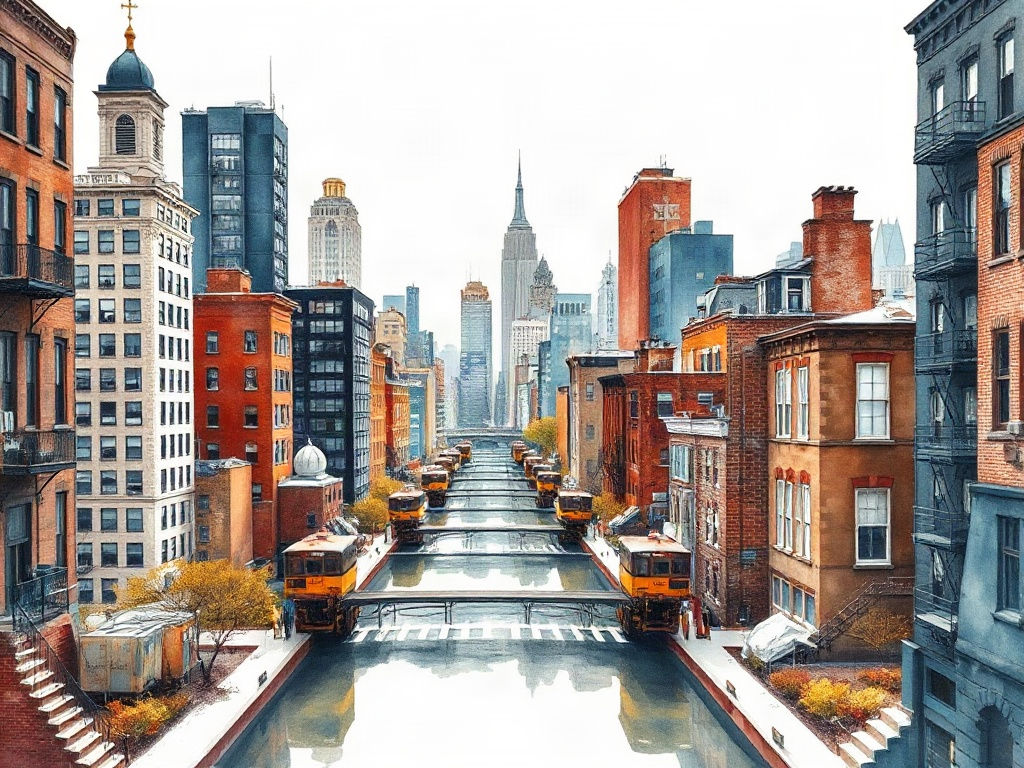
– Take a river cruise or ferry: Short rides provide a different perspective on the island and can be a convenient way to hop between neighborhoods.
– Watch for public art and events: Sculptures, light installations, and waterfront festivals activate spaces throughout the year.
– Seek sunrise and sunset spots: West-facing piers are ideal for sunsets over the Hudson; east-facing esplanades offer morning light and quieter hours.
Practical tips
– Plan for transit: Waterfront access is best combined with subway or ferry trips to avoid traffic and expensive parking. Many piers are within walking distance of major transit hubs.
– Dress in layers: Breezes off the river can be cooler than inland streets, especially in the evening.
– Check schedules: Performance spaces and vendors often operate seasonally or change hours; a quick look at official park websites or social channels avoids disappointment.
– Respect wildlife and plantings: Many shoreline projects include fragile habitats—stay on paths and keep dogs leashed in protected areas.
– Explore beyond the obvious: Neighborhood esplanades and less-promoted piers often offer calmer, more local experiences than the busiest tourist spots.
Why it matters
Beyond recreation, these waterfront improvements elevate day-to-day life for people who live and work on the island and strengthen the city’s ability to withstand future storms. Thoughtful design balances public access, ecological function, and protective infrastructure, turning the shoreline into both a community asset and a first line of defense.
Whether you’re looking for a scenic run, a quiet place to read, or a lively pier with food and music, Manhattan’s waterfront offers a variety of experiences that reflect the city’s evolving relationship with its rivers. Keep an eye on programming and access changes, and treat the shoreline as an ever-changing place to explore.