How to Get Around New York City: Practical Tips for Locals and Visitors
New York City’s transportation landscape keeps evolving, blending time-tested options with new tech and policy shifts that make getting around more efficient—if you know how to use them.
Whether you’re commuting, visiting for a long weekend, or exploring neighborhoods you haven’t seen before, these practical tips will help you move smarter and faster.
Tap, ride, transfer: contactless payments and fare basics
OMNY contactless payment makes subway and bus access simple: tap a contactless credit/debit card, smartphone, or wearable at the reader to pay a single-ride fare. Transfers between subway and bus are included when you use the system correctly—tap on boarding and you’ll avoid duplicate charges. For frequent riders, a digital transit pass or a prepaid card can save both time and money.
Subway strategies that save minutes
The subway still offers the fastest way to cross long distances in the city.
Use real-time transit apps (official MTA info, Transit, Citymapper, Google Maps) to check train status and service changes before you leave. If a train is packed or skipping stops, consider the next local or an alternate line—walking a few blocks to a parallel route often cuts travel time.
During off-peak hours, choose the front cars for quicker exits at certain stations.
Buses: rules, lanes, and Select Bus Service
Buses are more predictable when they use dedicated lanes or Select Bus Service (SBS) corridors. SBS uses off-board fare payment at some stops to speed boarding—look for the pay station or use contactless payment where available. Keep an eye on curbside bus lanes and obey street signs; buses often win the race when traffic is heavy.
Bikes, Citi Bike, and micromobility
Cycling is a great way to traverse short to medium distances.
Citi Bike stations are widely available across boroughs; single rides and memberships can be paid via app.
E-bikes and scooters are increasingly common; follow local rules for allowed devices, helmet use, and parking.
Use protected bike lanes where possible, and always lock shared bikes in designated spots to avoid fines.
Taxis and ride-hailing
Street-hail yellow cabs are convenient in Manhattan, while ride-hailing apps are often better for outer borough trips or late-night rides.
For quicker pickups, choose a well-lit, legal curbside location and confirm your driver’s plate and car model before you get in.
Walking: sometimes the fastest option
In dense neighborhoods, walking is often faster than any vehicle. Walking reveals hidden shops, food stalls, and neighborhood character—allow extra time to wander safely and wear comfortable shoes.
Safety and comfort
Stay aware of your surroundings, especially late at night. Keep valuables secure and use lit stations and bus stops when possible.
If you travel with a group, it’s usually more comfortable to wait for the next train or bus than to cram into an overcrowded car.
Plan ahead, stay flexible
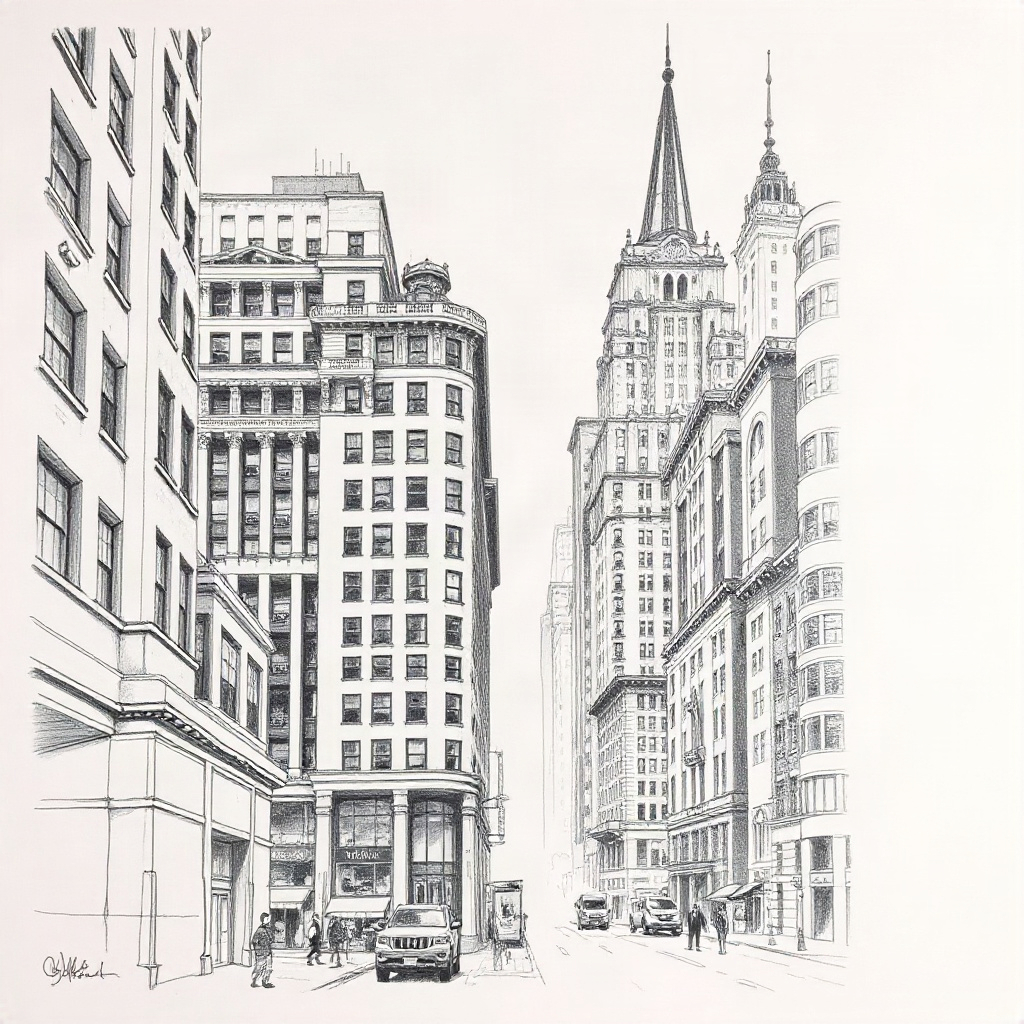
Service advisories, construction, and special events can change the best route at a moment’s notice. Set app alerts for line changes, allow buffer time for transfers, and have a backup route. With a little planning and these practical habits, getting around New York City becomes less stressful and more efficient—letting you focus on the reason you’re out: work, food, culture, or just exploring.