Choosing the right New York neighborhood is as personal as choosing a favorite coffee shop.
With so many distinct boroughs and micro-neighborhoods, the decision hinges on lifestyle: nightlife or quiet parks, short commutes or affordable rent, cultural diversity or family-friendly schools. This guide walks through practical factors to weigh and snapshots of neighborhoods that illustrate the city’s variety.
What to consider before moving
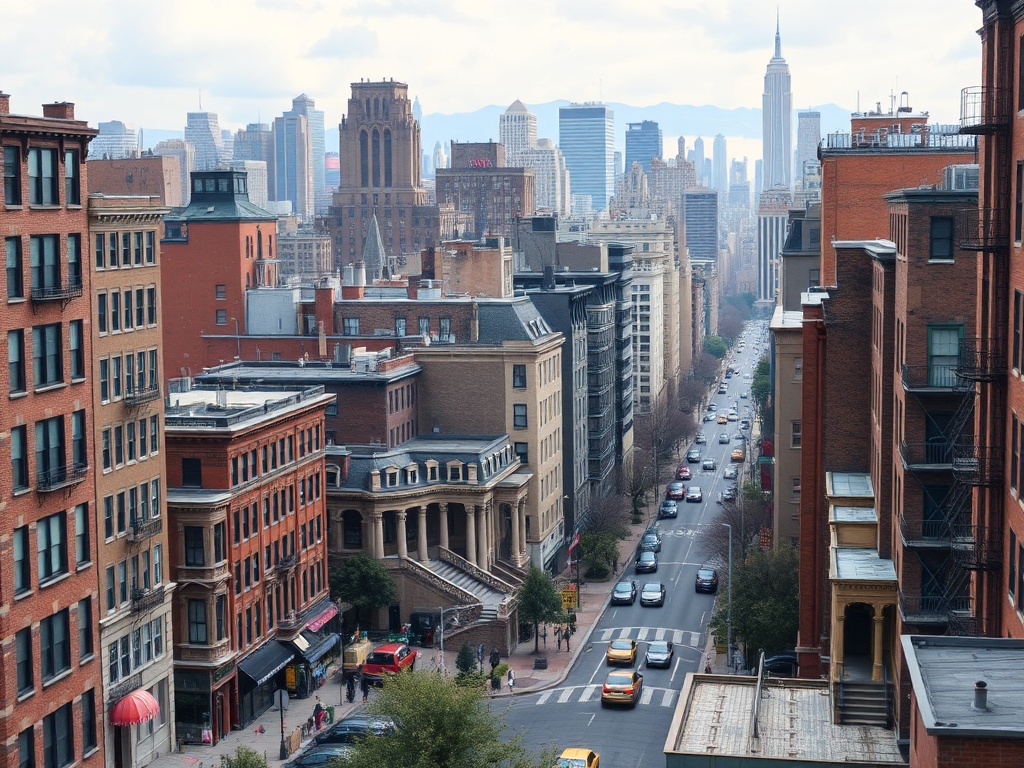
– Commute and transit: Proximity to subway lines, express buses, and commuter rail can transform daily life. Check actual door-to-door times during rush hours rather than relying on map distance.
– Housing type and budget: Brownstones, walk-ups, high-rises and new developments carry different costs and trade-offs. Look at utility, co-op vs condo rules, and potential maintenance fees.
– Amenities and walkability: Grocery options, pharmacies, gyms, and restaurants within walking distance matter for convenience and quality of life.
– Noise and nightlife: Busy commercial strips and nightlife hubs are lively but louder; tree-lined residential blocks offer more peace.
– Schools and parks: Families often prioritize access to parks, playgrounds, and reputable public, charter, or private schools.
– Community feel and safety: Attend a block association meeting, explore community centers, and spend time at local cafes to get a sense of neighborhood culture.
Neighborhood snapshots
– A vibrant waterfront neighborhood in Brooklyn: Known for its skyline views and waterfront parks, this area blends luxury high-rises with creative retail, making it a favorite for professionals seeking a modern urban feel without the Manhattan bustle.
– Park-side family enclave: Tree-lined streets, brownstones, top-rated public schools, and boutique shops create a settled, family-oriented vibe.
Weekend farmers’ markets and playgrounds keep the community active.
– Eclectic Queens hub: A multicultural dining scene, historic rowhouses, and strong transit links appeal to food lovers and commuters. Diverse cultural festivals reflect the neighborhood’s global roots.
– Arts-forward Brooklyn neighborhood: Bright murals, independent galleries, and experimental music venues attract creatives. Expect lively weekends, abundant cafes, and a mix of lofts and renovated industrial spaces.
– Classic Harlem block: Deep cultural history, jazz clubs, soul food institutions, and large brownstones define this neighborhood.
A strong community identity and many faith-based and cultural organizations anchor daily life.
– Emerging Bronx corridor: Industrial-to-residential conversions, growing local businesses, and more affordable housing options are drawing young families and artists.
Parks and waterfront redevelopment are reshaping outdoor access.
How to explore neighborhoods like a local
– Walk multiple blocks at different times of day to gauge noise, lighting, and foot traffic.
– Take public transit during rush hour and off-peak times to test reliability and crowding.
– Visit neighborhood staples: a coffee shop, a grocery store, a deli, and a local park—these reveal daily rhythms.
– Check city resources and community boards for zoning changes, development proposals, and school ratings.
– Talk to residents and small-business owners to learn about long-term trends and unseen benefits or drawbacks.
Practical moving tips
– If flexibility matters, consider a short-term lease to test a neighborhood before committing.
– Factor in moving costs related to stairs, elevator access, and parking for moving trucks.
– Budget for setup expenses: deposits, internet installation, and any immediate repairs or improvements.
New York neighborhoods offer a blend of history, culture, and constant reinvention. Spending time in a few areas, weighing practical needs against lifestyle priorities, and listening to local voices will help find the neighborhood that feels like home.