The 15-minute neighborhood idea is reshaping how New Yorkers think about city living. Rather than commuting long distances every day, many residents are choosing neighborhoods where daily needs — groceries, transit, healthcare, green space, schools and social life — are all within a short walk or bike ride. That shift is changing streets, storefronts and community priorities across the five boroughs.
What a 15-minute neighborhood looks like
– Walkable streets and short blocks with safe crossings
– Frequent transit options and protected bike infrastructure
– A mix of uses: ground-floor retail, offices, housing
– Local grocery and fresh-produce access, not just corner-store snacks
– Public and private green space: parks, pocket parks, community gardens
– Accessible healthcare, childcare and schools
– Active public life: cafes, libraries, co-working, cultural venues
Why this approach matters in New York
Walkable neighborhoods boost quality of life and local economies. Shorter trips mean less time spent commuting and more time for family, hobbies and community engagement. Streets designed around people increase safety, reduce emissions from short car trips and support local shops that thrive on repeat, nearby customers. For households juggling remote and hybrid work, a neighborhood that covers both practical needs and social connections becomes a major lifestyle asset.
How neighborhoods adapt
Cities adapt through both grassroots action and municipal policy. Community gardens and pop-up markets often catalyze more permanent change by showcasing demand for local food and social space. Tactical urbanism — from parklets to temporary bike lanes — can demonstrate benefits quickly, helping build momentum for permanent upgrades. Zoning adjustments that allow mixed-use development and smaller retail spaces make it easier for independent businesses to open and for housing to remain diverse and affordable.
Choosing the right neighborhood
If you’re exploring New York neighborhoods with 15-minute living in mind, look beyond headline real-estate listings.
Walk the area at different times of day and note:
– Grocery options: Is there a full-service market or reliable fresh produce merchants?
– Transit connectivity: Are there multiple transit choices nearby, and how long is the average wait?
– Open space: Where do people gather — parks, plazas, waterfronts?
– Everyday services: Can you access a pharmacy, bank, clinic and childcare without a long trip?
– Local economy: Are there independent restaurants, laundromats, hardware stores and small offices that indicate a resilient local ecosystem?
How residents can help make their neighborhood better
– Shop locally when possible — even small purchases add up for independent merchants
– Support neighborhood advocacy groups pushing for safer streets, bike lanes and park upgrades
– Volunteer at or start a community garden, library program or cultural pop-up
– Encourage property owners to consider ground-floor retail or flexible spaces that serve diverse uses
Real estate and resilience
Neighborhoods that deliver daily needs within a short distance show resilience during disruptions and sustained appeal as lifestyles shift. For buyers and renters, proximity to services often matters as much as square footage. For city planners and local leaders, investing in mixed uses, mobility and green space supports long-term health and economic vitality.
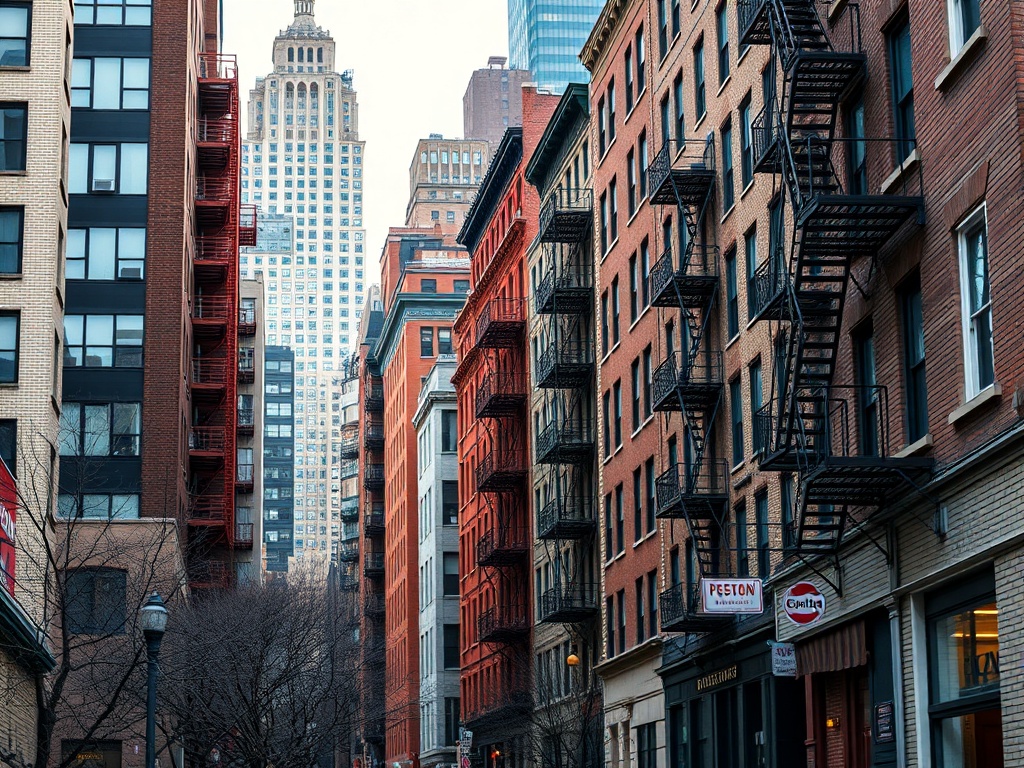
Choosing a neighborhood becomes a lifestyle decision that’s about more than transit lines and price. It’s about making daily life smoother, greener and more social — one short walk at a time.