New York City’s waterfronts are among the city’s most transformed and accessible public spaces. Once industrial backdrops, these edges have become thriving destinations for recreation, culture, and transport.
Whether you live in the city or are visiting, the waterfront offers a range of experiences from quiet nature walks to lively festivals and waterborne commuting.
Why the waterfront matters
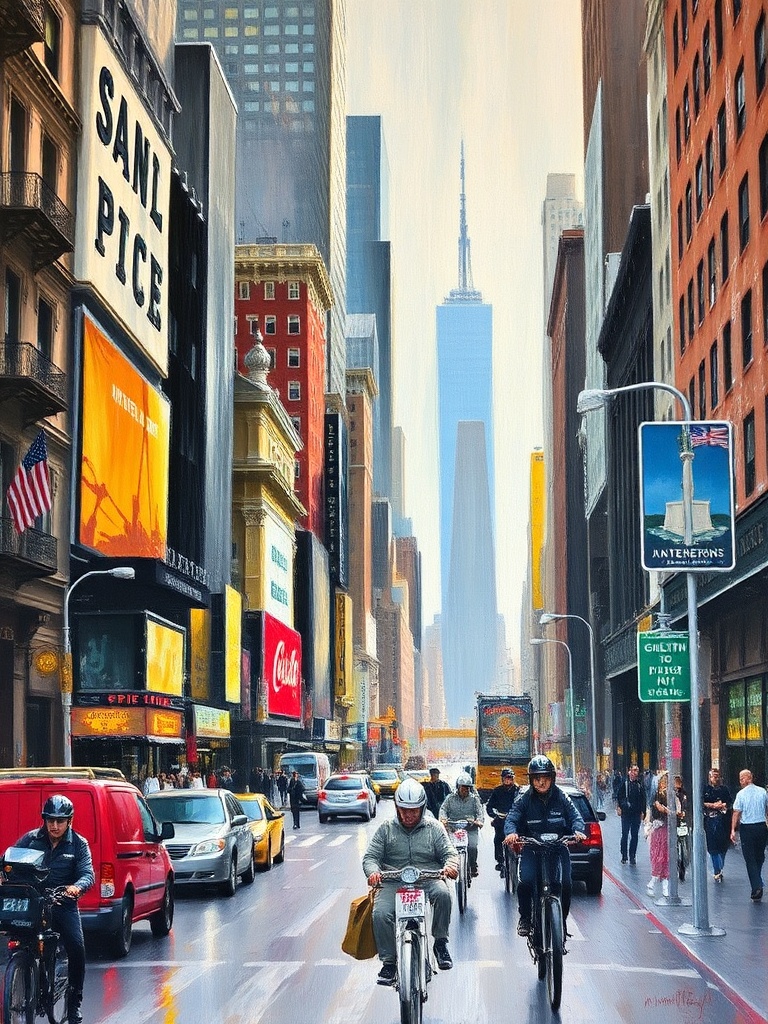
Waterfronts connect neighborhoods, support small businesses, and provide much-needed green space.
Adaptive reuse of piers and industrial lots has created parks with bike paths, playgrounds, art installations, and event venues. The linear parks and promenades also offer some of the best skyline views and sunset vantage points without paying for observation decks.
Top spots to explore
– Hudson River Park & Hudson River Greenway (West Side): A continuous ribbon for walking, running, and cycling with piers that host sports fields, seasonal markets, and casual dining.
– Brooklyn Bridge Park (Brooklyn Heights/DUMBO): Iconic skyline views, waterfront lawns for picnics, and planned recreation spaces right under the Brooklyn Bridge.
– Governors Island (harbor island): Car-free island with bike rentals, historic forts, and open lawns for festivals and family outings.
– East River Park & South Street Seaport (Lower Manhattan): A mix of restored piers, cultural programming, and close access to ferry terminals.
– Staten Island Ferry (St. George to Lower Manhattan): A free, reliable cross-harbor ride that doubles as a dramatic viewfinder for the Statue of Liberty and Lower Manhattan.
– NYC Ferry routes: A growing network that links the waterfront neighborhoods, offering an affordable and scenic commuting option.
Activities and practical tips
– Biking and walking: Many waterfront paths form continuous greenways—bring a bike or rent one from a local dock-share program. Wear reflective gear for low-light hours and follow posted lane rules.
– Kayaking and boating: Community boathouses and launch programs often run free or low-cost sessions. Book in advance during peak demand and arrive early for lessons or guided tours.
– Dining and markets: Waterfront neighborhoods host food vendors, outdoor cafes, and weekend markets. Expect waterfront views at many casual and mid-range spots; reservations help for popular times.
– Cultural programming: Outdoor concerts, film nights, art fairs, and seasonal festivals frequently use waterfront plazas and piers. Check venue calendars before heading out.
– Photography and sightseeing: For iconic skyline shots, aim for piers at golden hour; elevated or east-facing piers provide dramatic city and river reflections.
– Accessibility: Many newer piers and ferry terminals are ADA-accessible, but some historic piers may have limited access. Check specific site information before planning.
Getting around and what to check
Ferries provide an easy way to hop between neighborhoods and avoid congestion—check route maps and real-time schedules using transit apps.
For cyclists, bike lanes often intersect waterfront paths; secure parking and lock bikes in designated racks.
Nearby subway and bus connections make waterfront visits simple for those relying on transit.
Sustainability and community impact
Waterfront revitalization projects increasingly prioritize green infrastructure—stormwater management, native planting, and habitat restoration—so visits often include opportunities for birdwatching and learning about urban ecology. Community groups frequently organize cleanups and volunteer programs, offering ways to give back.
Whether you’re seeking a peaceful walk, an active outing, or a new commuting route, New York City’s waterfronts deliver variety and accessibility. Pack comfortable shoes, bring a water bottle, and plan a route that lets you soak in both the waterways and the neighborhoods they connect.