Manhattan’s public space is evolving fast, shifting from purely commercial uses to a more resilient, people-first landscape. Waterfronts, elevated parks, and reclaimed industrial sites are now central to the borough’s identity, offering both recreational value and critical protection against climate threats.
Waterfront transformation
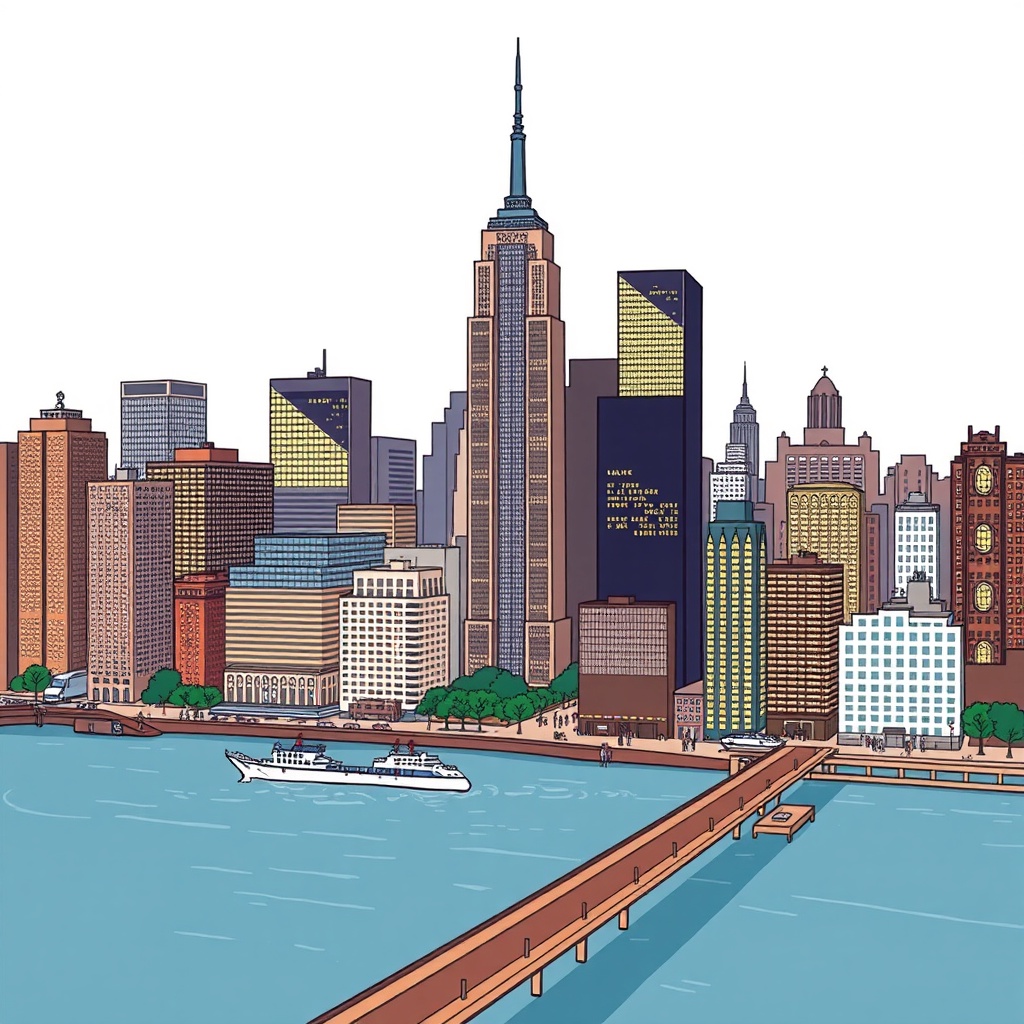
Manhattan’s edges are no longer just a boundary between land and water — they are active public spaces. Long stretches of the Hudson River Greenway and the East River esplanades provide continuous routes for walking, biking, and recreation.
Where piers and shipping infrastructure once dominated, mixed-use parks and promenades now invite residents and visitors to linger, watch the skyline, and access the river.
Elevated parks and adaptive reuse
The High Line remains a flagship example of converting obsolete infrastructure into an urban amenity. That success inspired other adaptive reuse projects that emphasize green space, art, and local commerce.
These elevated corridors reduce heat island effects, create habitat pockets, and connect neighborhoods that previously lacked green access.
Climate resilience and design
Coastal resilience projects are reshaping lower-lying neighborhoods with layered defenses that blend engineering and nature. Seawalls and flood barriers are being integrated with public plazas, landscaped berms, and recreational lawns so protective infrastructure also serves everyday community needs. Native plantings and bioswales are increasingly used to manage stormwater, reduce runoff, and support pollinators within dense urban blocks.
Rooftops, gardens, and urban farming
Limited ground-level space pushes greenery upward. Rooftop gardens, pocket parks, and community plots make use of underutilized rooftops and vacant lots.
These spaces provide local food, educational opportunities, and cooling benefits. Building owners are also incentivized to install green roofs and reflective surfaces to improve energy efficiency and lower cooling demands.
Mobility and connectivity
Walkability remains a core strength. Pedestrian plazas and protected bike lanes connect major transit hubs with neighborhoods and parks. Streetscape improvements prioritize safe crossings, seating, and lighting, which support small businesses and encourage people to explore on foot.
Transit-oriented development near ferry terminals and subway connections promotes a multi-modal approach to getting around the island.
Cultural vitality and small businesses
Public spaces have become stages for cultural life.
Pop-up markets, performance series, and outdoor exhibitions animate plazas and parks, supporting local artists and entrepreneurs. Small restaurants and cafes that open onto sidewalks take advantage of flexible outdoor dining models, contributing to a vibrant street-level economy.
Practical tips for exploring Manhattan’s evolving spaces
– Seek out lesser-known waterfront paths for quieter views and fewer crowds.
– Visit elevated parks early in the day for cooler temperatures and better light for photography.
– Check local community boards for pop-up events or farmers markets near public parks.
– Use multi-modal transit: ferries, bike share, and walking routes can be faster and more scenic than a single subway trip.
– Bring a refillable water bottle and biodegradable waste bags to minimize environmental impact.
Manhattan’s public realm balances historic fabric and modern necessity. By prioritizing resilience, green infrastructure, and inclusive programming, these spaces offer health, environmental, and social benefits that enhance urban life.
Whether looking for a waterfront stroll, a rooftop garden, or a cultural moment in a repurposed industrial site, Manhattan’s evolving public spaces invite participation and exploration.