New York City’s green spaces and waterfronts are more than pretty backdrops—they’re active parts of daily life for locals and essential stops for visitors. Whether you’re looking for a quiet place to read, a spot for a weekend picnic, a place to exercise, or a waterfront view that rivals any skyline photo, the city’s parks deliver variety and accessibility across the five boroughs.
Why the parks matter
Parks provide free or low-cost recreation, improve air quality, support biodiversity, and act as neighborhood hubs. Many are run by conservancies and community groups that offer programs like guided walks, volunteer cleanups, and family-friendly events. These organizations also help maintain historic landscapes and keep facilities welcoming year-round.
Top types of park experiences
– Iconic greens: Large, centrally located parks offer expansive lawns, formal gardens, lakes and performance spaces—perfect for people-watching, outdoor workouts, and cultural events.
– Elevated and linear parks: Repurposed infrastructure turned green—like elevated promenades and river esplanades—give unique vantage points and easy routes for walking or biking.
– Waterfront destinations: Piers and riverfront parks provide kayaking launches, fishing spots, and uninterrupted views of the Manhattan skyline or bridges.
– Neighborhood green spaces: Small parks and community gardens are great for kids, dog-walking, and quick escapes between subway stops.
How to enjoy parks smarter
– Check official park websites or local conservancy pages for programming, volunteer opportunities, and any temporary closures or permit requirements. Many parks post real-time updates about events and maintenance.
– Use off-peak hours for a quieter experience. Early mornings and weekday afternoons usually mean fewer crowds.
– Pack for the space: bring a blanket, refillable water bottle, sunscreen and a small trash bag to leave the area clean. In waterfront areas, wind can be stronger—layer up.
– Respect regulations: some parks require permits for group gatherings, amplified music or professional photography.
Dog-friendly areas are often separated from child play zones—obey leash rules.
– Explore by transit or bike: most parks are near subway stops or bike lanes, and many waterfronts are linked by continuous esplanades.
Activities that stand out
– Free outdoor fitness: bootcamps, yoga classes and running clubs frequently meet in parks. Check local listings or community bulletin boards.
– Kayaking and boating: several waterfront organizations offer free or low-cost kayak launches and lessons, making on-water activities accessible even for beginners.
– Art and culture: parks host public art installations, small concerts and outdoor screenings. The mix of art and landscape creates memorable experiences off the typical museum circuit.
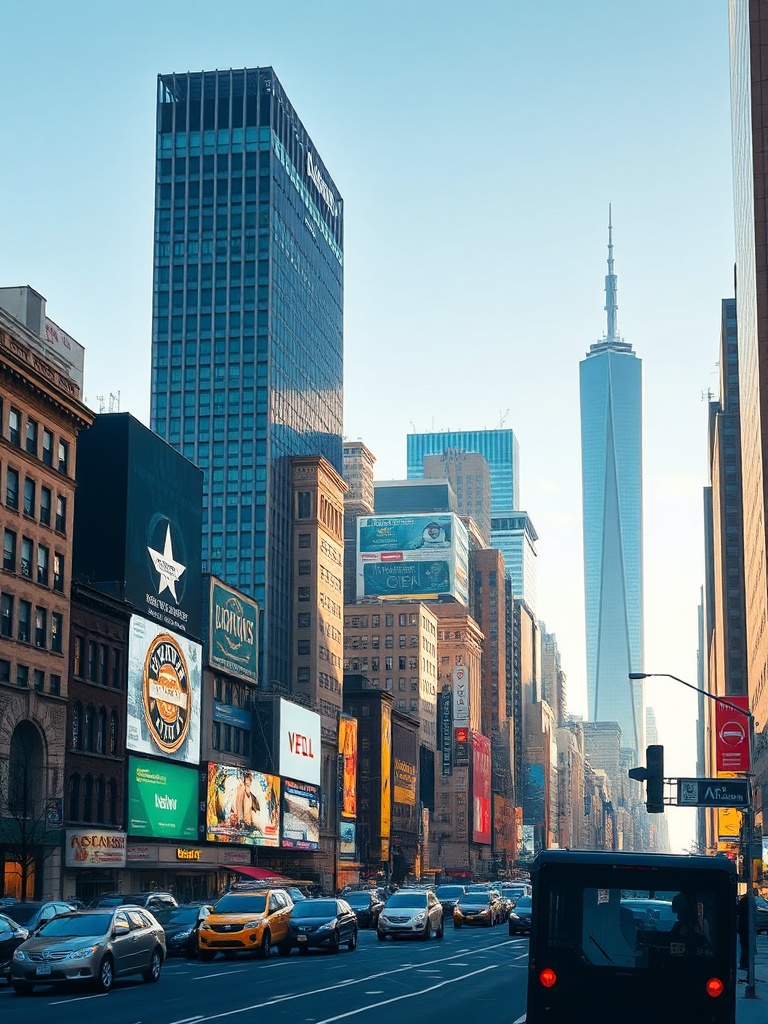
– Nature watching: urban parks support surprising biodiversity.
Bring binoculars for birdwatching or follow native-plant trails to learn about the city’s natural heritage.
Safety and accessibility
Most parks strive to be accessible, with paved paths and ADA-compliant facilities, but condition varies by site. If accessibility is a priority, consult park maps and contact management for the most current info.
For personal safety, use well-trafficked areas at dusk, and be aware of park rules and emergency contacts posted on-site.
Make it part of your routine
Turning parks into routine stops—commuting through a riverside path, swapping a lunch meeting for a picnic bench, or volunteering for a cleanup—adds healthy, low-cost variety to urban life. These shared outdoor spaces help neighborhoods thrive and offer something fresh each time you visit.
Plan ahead, follow local updates, and treat the city’s parks as living places—perfect for both everyday moments and special outings.