Manhattan remains a magnetic mix of culture, commerce, and neighborhood character—an island-sized atlas of things to see, eat, and experience. Whether planning a short visit or scouting a new place to live, understanding how Manhattan is evolving helps make the most of time in the city.
What to explore
– Parks and waterfronts: Central Park is the island’s green heart, offering trails, lawns, and seasonal programs.
The High Line transforms an elevated rail line into a linear park with art installations and skyline views. Along the west edge, Hudson River Park provides continuous waterfront access and recreational space from intown piers to waterfront esplanades.
– Museums and performance: World-class institutions cluster across the island. Beyond the major museums, check neighborhood galleries and performance spaces for emerging artists and intimate shows. Broadway remains the benchmark for large-scale theater, while off-Broadway venues deliver cutting-edge work.
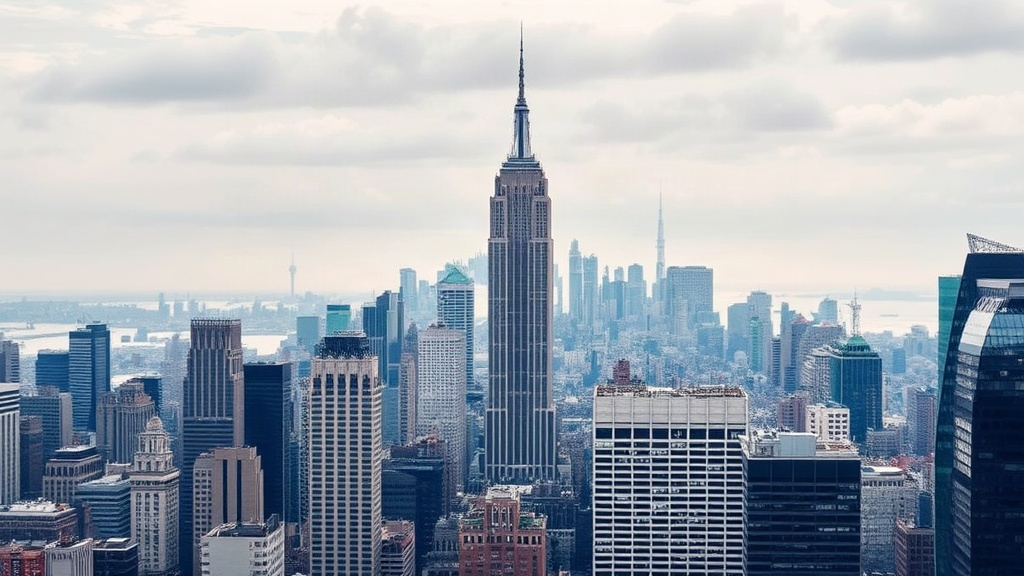
– Neighborhood variety: Each enclave offers a distinct vibe. Uptown neighborhoods blend classic architecture and cultural institutions; Midtown pulses with commerce and iconic skyscrapers; downtown areas showcase nightlife, independent boutiques, and culinary innovation. Strolling a few adjacent neighborhoods reveals dramatic contrasts in scale and tempo.
Transit and getting around
Manhattan is highly walkable and well served by transit. The subway, buses, and expanded bike-share systems make most destinations accessible without a car. Contactless fare payment systems simplify boarding and reduce friction. For short hops, Citi Bike and other dockless options offer flexibility; pedal or e-bike choices make hilly stretches easier.
Where to eat and drink
Dining ranges from destination restaurants helmed by celebrated chefs to neighborhood delis and late-night eateries. Food halls and public markets bring many vendors under one roof—great for groups with varied tastes.
Rooftop bars and speakeasy-style lounges are plentiful; reservations are often advisable for popular spots and weekend dining.
Real estate and urban change
The built environment keeps adapting. Mixed-use projects and adaptive reuse convert older office and industrial spaces into residential, cultural, and retail uses.
Sustainability initiatives—green roofs, energy retrofits, and expanded bike lanes—reshape streets and skylines. These shifts influence where amenities cluster and how neighborhoods feel on a daily basis.
Seasonal rhythms and events
Manhattan seasons bring different draws: outdoor markets and green-season festivals, cultural openings and performance seasons, and winter holiday spectacles. Street fairs, parades, and neighborhood block parties activate public spaces throughout the year. Checking neighborhood calendars helps align visits with local happenings.
Practical tips
– Plan walking routes by neighborhood to minimize backtracking—many attractions are best enjoyed on foot.
– Use contactless payments for transit and bike-share to speed access.
– Book popular restaurants and shows in advance, especially for weekend evenings.
– Explore side streets and smaller museums to discover quieter, memorable experiences away from main tourist corridors.
Manhattan’s mix of iconic attractions and surprising neighborhood finds keeps it relevant and inviting.
Focus on a few neighborhoods, use efficient transit options, and leave time to wander—some of the best discoveries happen without an itinerary.