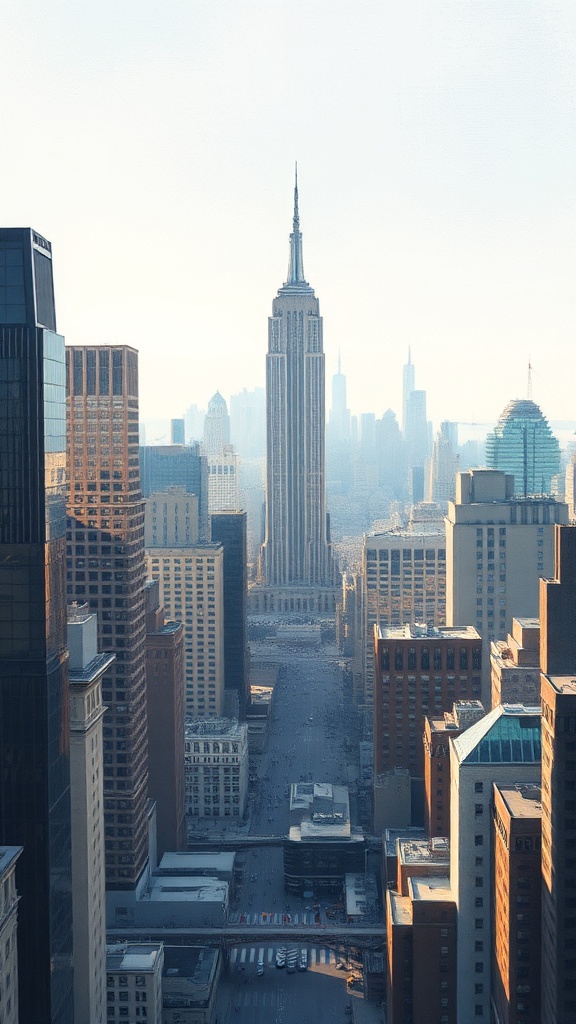
Manhattan continues to draw visitors and residents with a compact mix of iconic landmarks, vibrant neighborhoods, and nonstop cultural energy.
Whether you’re planning a short visit or considering a move, knowing how the borough is laid out and what to prioritize will help you make the most of every block.
What to see and do
– Central Park: More than a green rectangle, the park offers walking paths, lakes, and quiet retreats just steps from skyscrapers. Rent a rowboat, explore lesser-known North Woods trails, or catch a free performance at an outdoor space.
– High Line and waterfront promenades: Elevated gardens and rebuilt piers showcase creative urban reuse and free public art, with skyline views and places to pause during a long walk.
– Museum mile and major institutions: The concentration of world-class museums, theaters, and performance venues lets you mix an afternoon of art with an evening show. Many institutions offer a range of ticket options and late-night programs.
– Neighborhood strolls: From the narrow streets of the West Village to the grid of Midtown and the bustling avenues of Harlem, each neighborhood has its own character, independent shops, and cafes that reward slow exploration.
Where to eat and drink
Manhattan’s food scene spans fine dining, global street food, and neighborhood staples. Look for chef-driven small plates in up-and-coming corridors, long-running delis for classic sandwiches, and rotating market stalls showcasing emerging cuisines. Rooftop bars and riverfront terraces are great for skyline views, while cozy basements and speakeasies provide atmosphere after dark.
Getting around
Dense and walkable neighborhoods make walking one of the most efficient ways to experience Manhattan. The subway connects nearly every corner of the borough and is complemented by buses, commuter ferries, and an extensive bike-share network. For short trips, taxis and ride-hailing services remain convenient, but factoring in traffic can save time during peak hours.
Living and working
Manhattan offers a wide range of housing—from studio apartments in historic buildings to luxury towers with full amenities. Rent and purchase prices reflect the high demand for central locations and proximity to transit. Many professionals prioritize neighborhoods that balance commute times, local services, and access to green space. Flexible work arrangements have shifted how people think about office location, with hybrid schedules influencing where employees choose to live.
Practical tips
– Plan walking routes that group nearby sights to avoid backtracking.
– Use off-peak times for popular attractions to skip long lines and enjoy a quieter experience.
– Explore beyond headline neighborhoods to find better prices and authentic local spots.
– Pack layers—microclimates between riverfronts, parks, and canyon-like avenues can vary throughout a single day.
Safety and etiquette
Manhattan is a busy urban environment—staying aware of surroundings, securing personal items, and following local transit etiquette will make travel smoother. Respect pedestrian signals, clear subway doors promptly, and keep noise low in residential areas at night.
Why it works
Manhattan’s appeal lies in its concentration: you can walk from a tranquil park to a bustling market within minutes. Mixed-use streets, cultural density, and continuous public programming mean there’s always something new to discover, whether it’s a pop-up food stall, an outdoor concert, or an unassuming gallery.
Ready to explore? Start by choosing a base neighborhood that matches your pace—uptown for park access, midtown for classic landmarks, or downtown for creative energy—and let the grid guide you through one of the most walkable and endlessly surprising urban cores.