New York City’s food scene blends time-honored classics with experimental kitchens, making it the place to eat well no matter your taste or budget. From grab-and-go bites to chef-driven tasting menus, the city offers endless ways to explore flavors, neighborhoods, and culinary trends.
What to try first: iconic bites and neighborhoods
– Pizza: Thin-crust, coal-oven, Sicilian square or Neapolitan—pizza in NYC is a must. Hunt for neighborhood slices, late-night counters, and wood-fired restaurants that each stake a different claim to “best pizza.”
– Bagels and delis: A true New York bagel is boiled then baked, often enjoyed with classic spreads or piled high with deli meats. Neighborhood delis and Jewish bakeries continue to define the city’s breakfast and lunch culture.
– Ethnic enclaves: Chinatown dumplings, Koreatown barbecue, Astoria’s Greek tavernas and Jackson Heights’ South Asian markets showcase how immigrant communities shape the city’s culinary identity.
Food crawls across these areas reveal authentic, affordable dishes.
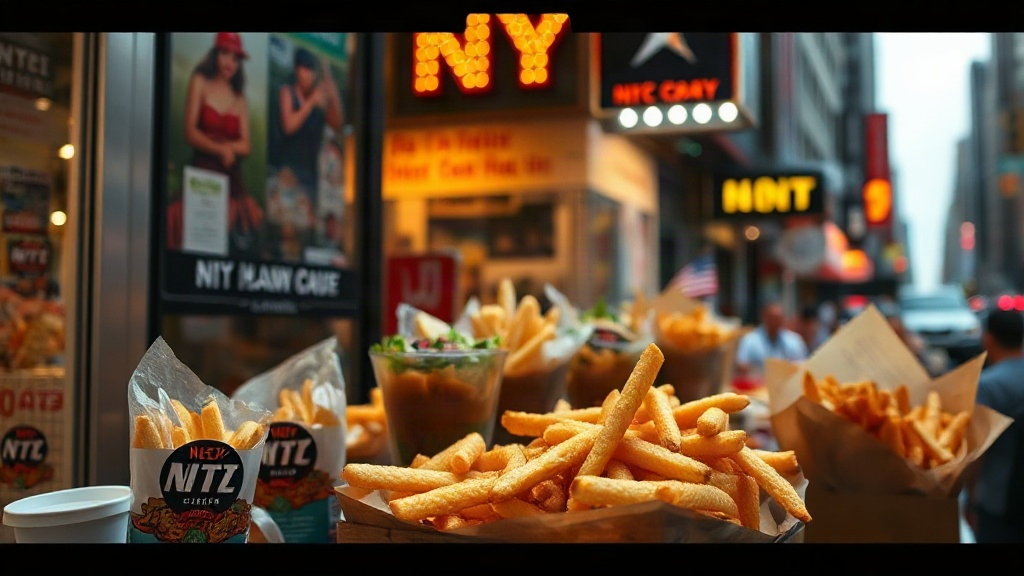
– Street food and carts: Halal carts, pretzel vendors and food trucks are essential for fast, flavorful meals. A quick stop at a cart can deliver a satisfying, wallet-friendly experience.
Current trends shaping the scene
– Plant-forward dining: Many restaurants now emphasize vegetables and plant-based proteins without sacrificing flavor or technique. Expect creative vegetable-focused tasting menus, plant-centric fast-casual spots, and excellent vegan pastry options.
– Food halls and market spaces: Large communal food halls and smaller market-style venues let diners try multiple vendors in one trip—perfect for groups with varied tastes. These spaces also incubate new concepts that may grow into neighborhood staples.
– Ghost kitchens and delivery-first brands: Some chefs and entrepreneurs prioritize delivery or pickup, operating out of shared kitchen spaces.
This makes it easier to try emerging concepts through delivery apps or curbside pickup.
– Sustainability and transparency: Diners increasingly seek restaurants that prioritize local sourcing, reduced food waste and clear ingredient sourcing. Farm-to-table approaches and responsibly sourced seafood are common selling points.
How to eat smart in the city
– Reservations and timing: Popular restaurants often fill quickly, so use reservation platforms or arrive at off-peak hours for shorter waits. Walk-in counters and bakeries are great for spontaneity.
– Budgeting tips: Mix splurge meals with casual counter-service spots. Neighborhood gems and food halls offer high-quality, lower-cost options compared with destination tasting menus.
– Etiquette and tipping: Most places expect a tip for table service; casual counters may include a tip jar. Checking the menu and signs helps avoid surprises.
– Explore on foot: The best way to discover neighborhood favorites is to walk block by block—each neighborhood tends to have a few hidden gems not found on tourist lists.
Finding your favorites
Start with a simple plan: pick a neighborhood, set a budget, and map a food crawl that includes a snack, a main, and a sweet finish. Use trusted review sites and local food blogs for recommendations, but don’t be afraid to follow your nose or a long line—some of the city’s best meals come from unassuming spots.
Whether you’re hunting classic comfort food or sampling the latest culinary innovation, the city’s diverse food landscape rewards curiosity. Taste widely, tip fairly, and keep an appetite for discovery.