New York City culture is a living mosaic: an energetic mix of neighborhoods, cuisines, art forms, and everyday rituals that keeps evolving while remaining unmistakably New York. Whether you’re a long-time local or visiting for the first time, the city’s cultural pulse is everywhere — from subway platforms and corner delis to intimate music venues and major museums.
What makes the culture so compelling is its diversity. Neighborhoods are cultural ecosystems of their own. Walk through a single borough and you can encounter immigrant-run restaurants, independent bookstores, street art, and community theaters within blocks of one another. That variety feeds an appetite for discovery: there’s always a new gallery opening, a popup dinner, or a late-night basement show to find.
Food is central to the city’s identity.
Beyond iconic foods people expect, the culinary scene is a constant laboratory of fusion and reinvention. Small, family-run restaurants sit beside innovative chefs experimenting with global flavors. Food halls and farmers markets coexist with classic food carts, giving both residents and visitors a chance to taste the city’s cultural cross-section in a single meal.
Performance culture is another backbone. Broadway remains a marquee draw, but smaller stages carry much of the city’s creative risk-taking. Off-Broadway theaters, experimental dance companies, spoken-word nights, and open-mic comedy scenes are where new voices get noticed. Nightlife ranges from high-energy clubs to cozy bars hosting jazz, Latin rhythms, or indie rock — many of which spotlight local talent that shapes broader trends.
Public spaces act as cultural stages.
Parks and plazas host concerts, film nights, and community gatherings that reflect neighborhood character. Street art and murals are also prominent, transforming facades into public galleries and giving artists direct access to a wide audience. Community gardens and local initiatives turn unused plots into green hubs that foster neighborhood connection and creativity.
Cultural institutions anchor the city’s global reputation while connecting to local life.
Major museums bring blockbuster exhibitions and educational programming, but smaller cultural centers and community organizations often do the work of representation — amplifying voices from underrepresented neighborhoods and hosting events that matter to their communities.
A defining trait of New York culture is accessibility. Much of the city’s creative energy is low-cost or free: gallery openings with complimentary drinks, late-night poetry readings where anyone can participate, and street performances that require only a moment of attention. This accessibility keeps culture democratic and makes it easy to dive in, experiment, and connect.
Practical tips for experiencing New York culture:
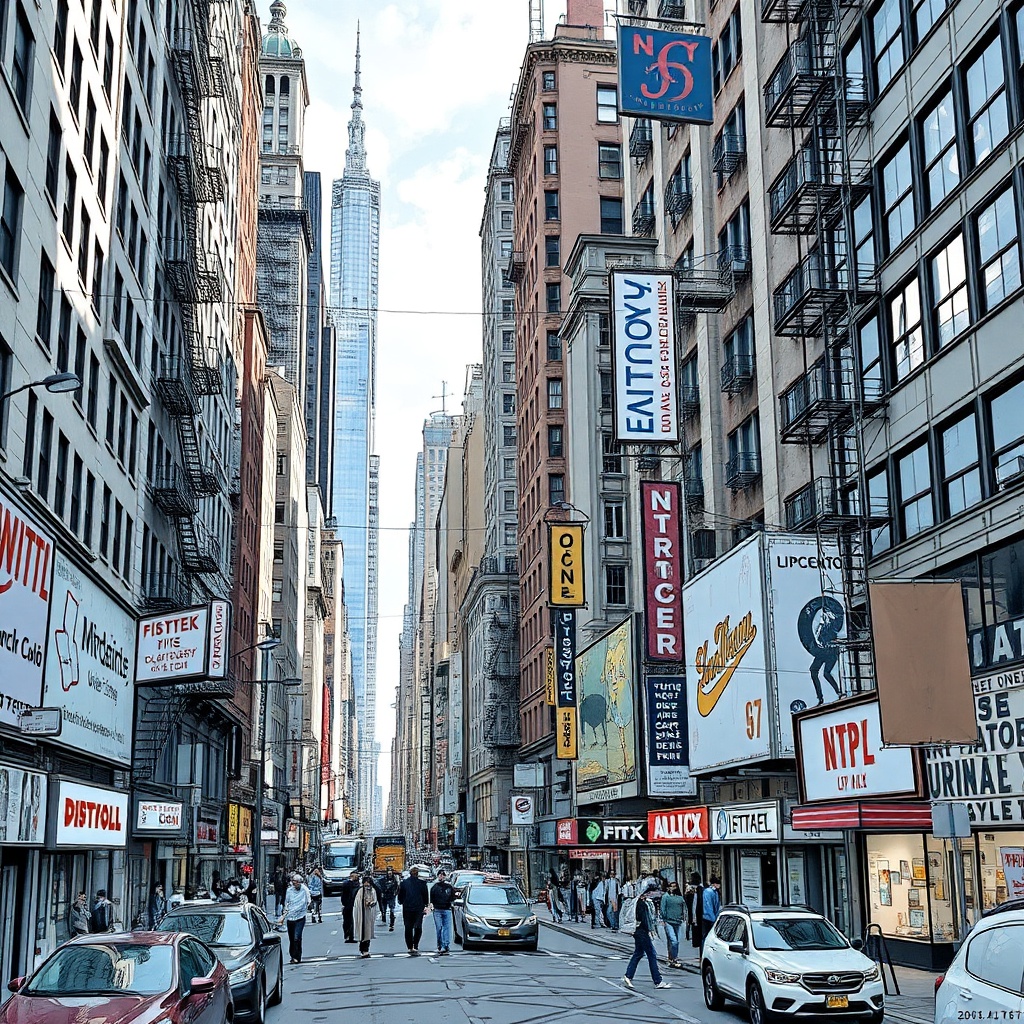
– Walk intentionally: stroll through different neighborhoods to discover hidden cafes, galleries, and shops.
– Check local listings: neighborhood blogs and event calendars highlight small-scale shows and popups that don’t appear on mainstream sites.
– Try community events: farmers markets, block parties, and public screenings offer authentic, low-cost experiences.
– Support local spots: small venues, independent bookstores, and family-owned restaurants are often where culture is most vibrant.
– Use transit: the subway and buses are cultural veins that connect disparate neighborhoods quickly and affordably.
New York’s cultural landscape is a conversation between history and innovation. The city’s greatest strength lies in its openness: a place where new ideas meet established traditions, and where anyone curious enough can find a scene that feels like home.