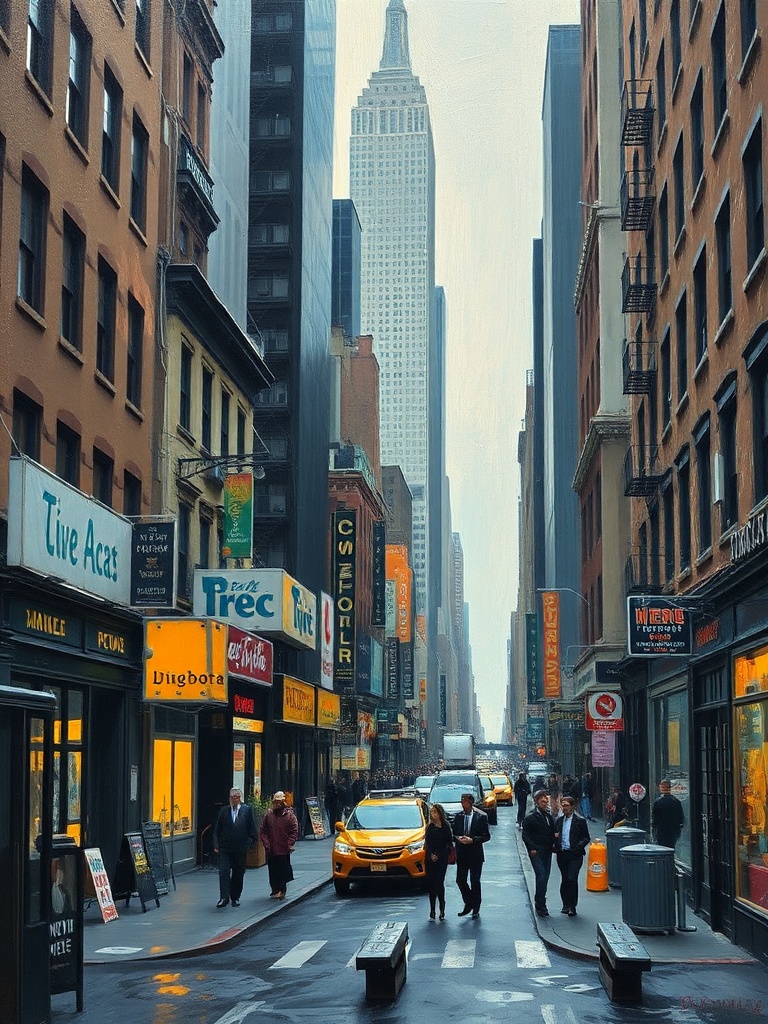
Neighborhoods, Not Landmarks: How New York City Culture Thrives Locally
New York City culture isn’t just about landmark attractions — it lives in the cafes, block parties, gallery pop-ups, bodegas, and subway-car performances that shape everyday life. As institutions and tourists remain important, a quieter cultural renaissance is unfolding at the neighborhood level, driven by community creativity, experimental arts, and a taste for the hyperlocal.
What’s fueling the local cultural revival
– Small businesses that double as cultural venues: Bookstores, record shops, plants-and-coffee hybrid spots, and independent theaters are increasingly programmed as community hubs.
They host readings, listening parties, zine swaps, and film nights that attract a regular, engaged crowd.
– Street-level art and murals: Murals and wheatpaste pieces are more than decoration; they’re neighborhood storytelling. Artists collaborate with community groups to create work that reflects local histories, identities, and social concerns.
– Pop-up economies: Flea markets, food pop-ups, and temporary performance spaces reduce overhead for artists and entrepreneurs and make culture more accessible across boroughs.
– Cross-disciplinary collaboration: Musicians, chefs, visual artists, and designers are blending practices — DJ sets in galleries, supper clubs with live theater, poetry paired with immersive visual work — creating hybrid experiences that don’t fit traditional venue models.
Why this matters for residents and visitors
Neighborhood cultural hubs offer a more intimate, affordable, and authentic way to experience the city. They reveal how communities shape creative expression and support artists outside the commercial spotlight.
For visitors seeking something beyond the usual itinerary, neighborhood programming provides fresh discoveries and connections with locals.
How to find the best neighborhood experiences
– Follow local newsletters and community calendars: Many neighborhood groups maintain event listings that highlight small shows, readings, and markets before larger outlets pick them up.
– Walk — and wander off the main avenues: Many pop-ups and murals are tucked down side streets. A short stroll can unearth a community garden concert or an artist’s open studio.
– Support mixed-use venues: Frequent neighborhood spots that combine food, retail, and events. Regular foot traffic helps sustain spaces that host creative programming.
– Use transit creatively: Jumping boroughs for a single evening — a gallery opening in Queens, a jazz set in Harlem, a DJ night in Brooklyn — makes cultural exploration efficient and surprising.
Sustaining neighborhood culture
Long-term vitality depends on balancing growth with affordability. Supporting affordable studio spaces, flexible permits for pop-up events, and partnerships between cultural organizations and local businesses helps preserve the grassroots nature of neighborhood culture. Residents can advocate for policy changes that prioritize creative space retention while still welcoming thoughtful development.
A dynamic, local future
New York City’s cultural energy remains rooted in its neighborhoods. Whether through a pocket park performance, a late-night bakery that doubles as a listening room, or a community-created mural, the city’s most compelling cultural moments are increasingly intimate and locally produced. Keeping these scenes vibrant means showing up, spending locally, and valuing the small-scale spaces where creativity is free to experiment and connect.
Quick tips for visitors
– Check neighborhood event feeds rather than only headline institutions.
– Arrive early to small shows — many sell out quickly and don’t have lines.
– Ask locals for recommendations; neighborhood culture thrives on word-of-mouth.
– Bring cash for small vendors and tip artists when possible.
Exploring New York City through the lens of its neighborhoods reveals a culture that’s adaptive, inclusive, and always inventing new forms of community expression.