New York City culture is an ever-evolving mosaic where history, neighborhood identity, and constant reinvention intersect. From corner delis and rooftop jazz sessions to large-scale museum exhibitions and guerrilla street art, the city’s cultural life is defined by its accessibility, diversity, and the everyday creativity of its residents.
Neighborhoods as cultural engines
Each neighborhood operates like a microcosm, shaping and reflecting cultural trends. Immigrant communities keep culinary traditions alive and spawn hybrid cuisines that become neighborhood staples. Longstanding artistic enclaves coexist with newly arriving creatives who repurpose storefronts, turning former industrial spaces into galleries, rehearsal studios, and pop-up performance venues.
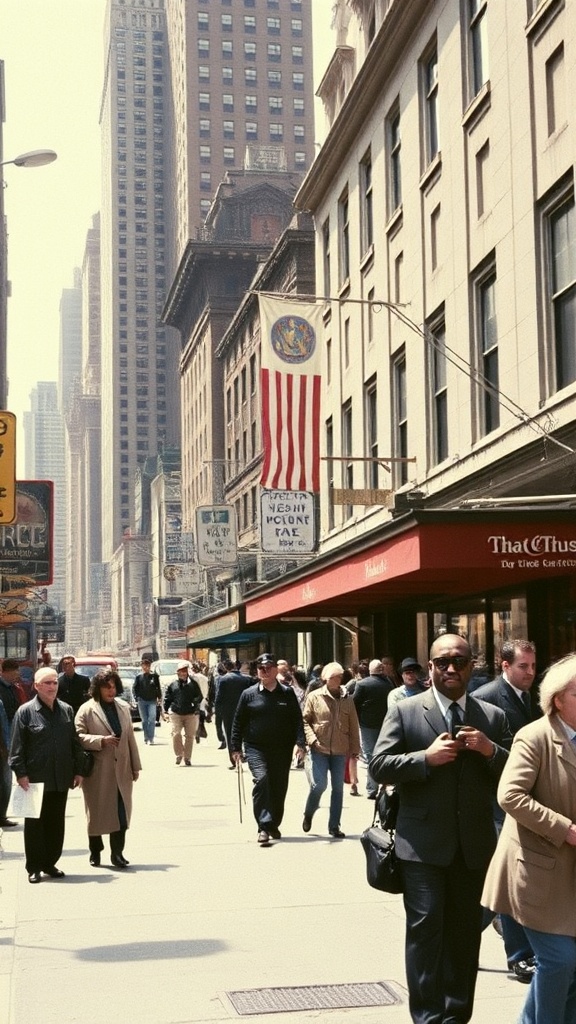
Walking a single avenue can shift from heritage bistros to contemporary tapas bars to late-night experimental music spots, illustrating how localized identity fuels broader cultural movements.
Street life and public performance
Street culture remains core to the city’s vibrancy. Sidewalk musicians, spoken-word artists, and drag performers animate parks and plazas, making high-quality cultural experiences remarkably democratic. Seasonal street fairs, block parties, and cultural parades provide stages for local talent and sustain traditions passed through generations.
Public art—murals, sculptures, and projection pieces—creates an open-air gallery that changes frequently, inviting both residents and visitors to engage with the city in an unmediated way.
Food as cultural storytelling
The food scene functions as a cultural map. Small restaurants, food carts, and specialty grocers offer narratives of migration, adaptation, and innovation.
The prevalence of open-kitchen concepts, chef-driven neighborhood spots, and communal dining experiences reflects a focus on authenticity and social connection.
Food festivals and late-night markets highlight regional specialties and experimental formats, keeping culinary discovery central to how people experience the city.
Arts institutions and DIY scenes
Major museums and theaters sit alongside grassroots arts organizations, creating a layered cultural ecosystem.
While revered institutions draw international audiences and major exhibitions, a thriving DIY scene nurtures emerging voices through intimate venues, artist-run galleries, and multi-disciplinary collectives.
This duality ensures access to polished productions and raw, boundary-pushing work without one crowding out the other.
Fashion, performance, and nightlife
Style and nightlife remain integral forms of self-expression. Runways and boutiques influence trends, but so do subway platforms and neighborhood bars where people remix vintage and new finds. Nightlife venues increasingly emphasize community-focused programming—theme nights, queer-friendly spaces, and music series that spotlight local DJs and bands—contributing to an inclusive social culture.
How to experience cultural NYC like a local
– Explore beyond major tourist corridors: venture into neighborhood strips and side streets.
– Check community calendars and neighborhood social feeds for pop-ups, readings, and small shows.
– Eat at places recommended by residents rather than only headline spots; street vendors can offer iconic flavors.
– Visit a mix of institutions and independent venues to see the city’s cultural spectrum.
– Support local artists and small businesses: purchases and attendance keep scenes vibrant.
The city’s cultural energy is less about singular attractions and more about circulation—ideas, food, music, and people moving through shared spaces.
That flow keeps the arts accessible, resilient, and surprising, with every block offering a new chapter in an ongoing urban story.