New York City’s cultural pulse is easy to spot: it hums from corner bodegas to avant-garde galleries, from animated subway platforms to neo-classical museum lobbies. What keeps this city culturally vibrant is not a single attraction but a layered mix of neighborhood identity, immigrant entrepreneurship, public space experimentation, and creative risk-taking.
Neighborhoods remain the most reliable barometer. Each borough hosts distinct enclaves where language, food, and ritual shape daily life.
Immigrant-run restaurants and markets continue to refresh menus and streetscapes, introducing flavors that quickly become city staples. As neighborhoods evolve, small businesses often lead the way, transforming former industrial spaces into intimate performance venues, craft workshops, and late-night eateries that draw locals and visitors alike.
Food halls and shared culinary incubators have reshaped how New Yorkers eat and socialize. These flexible spaces spotlight emerging chefs and regional cuisines without the overhead of a standalone restaurant, encouraging experimentation and cross-cultural mashups. Dining becomes more communal—and more serendipitous—when a counter serving West African stews sits beside a stall perfecting a New England seafood roll. This culinary cross-pollination feeds neighborhood economies and keeps the city’s food scene perpetually fresh.
Public spaces are another major stage for cultural life.
Streets converted into plazas, waterfront esplanades with rotating programming, and pop-up festivals create new opportunities for artists and organizers to reach broader audiences.
Parks and plazas increasingly host everything from outdoor film screenings to spoken-word nights, blurring the line between formal cultural institutions and grassroots creativity. These activations also encourage safer, more walkable streets, helping communities reclaim the areas around transit hubs and commercial corridors.
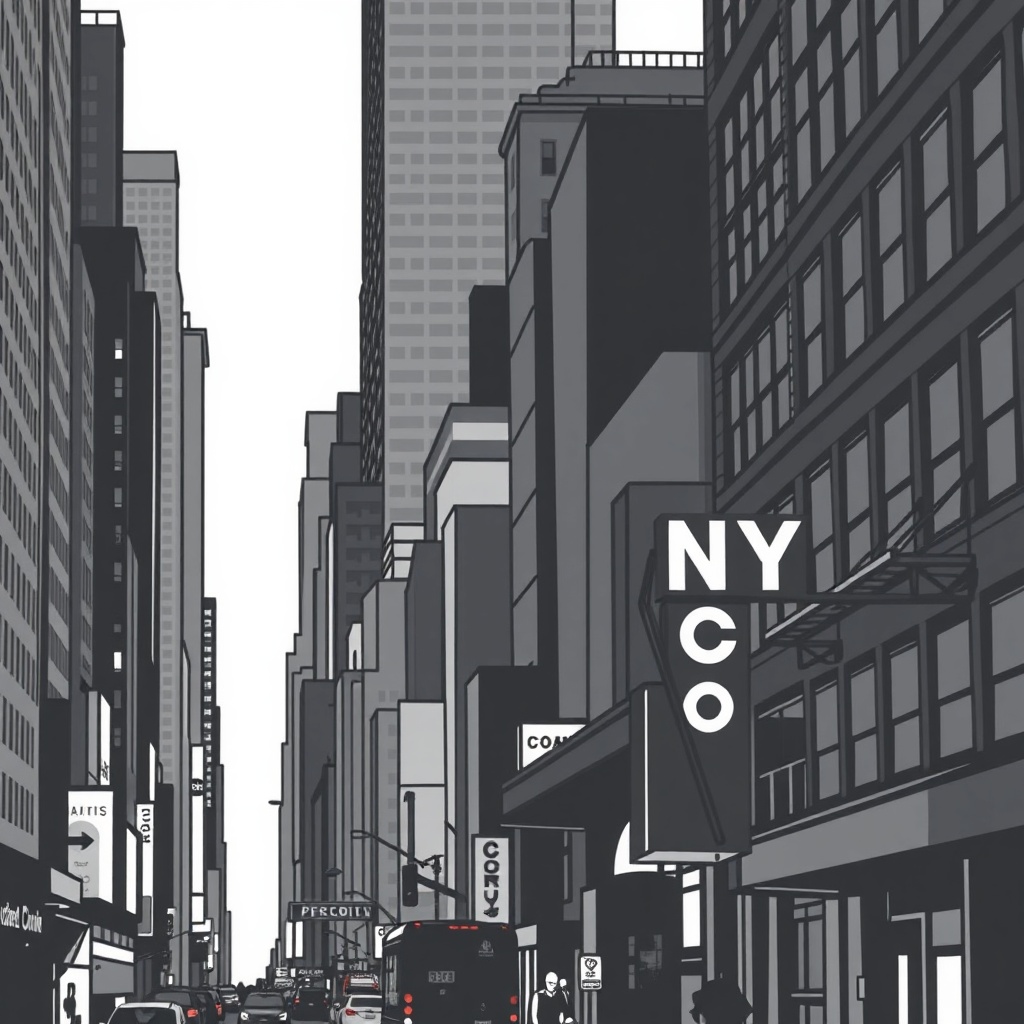
Street art and public murals have become a visible shorthand for neighborhood character. Commissioned works and spontaneous pieces coexist, turning building facades into canvases that chronicle social movements, celebrate local figures, or simply brighten a commute. The city’s approach to public art continues to favor projects that invite participation—murals that double as performance backdrops, or installations that invite touch and reflection—making art more accessible and relevant.
Performance culture is also expanding beyond traditional theaters. While Broadway and established concert halls still command attention, smaller venues and site-specific productions offer new forms of engagement.
Immersive theater, rooftop concerts, and pop-up dance performances make culture more portable and less formal, attracting audiences who prefer intimacy over spectacle.
Meanwhile, street musicians and subway performers contribute to a sonic backdrop that’s as essential to the city’s identity as its skyline.
Cultural institutions are adapting as well, experimenting with flexible admissions, community partnerships, and rotating exhibitions that reflect neighborhood narratives. Museums and libraries that host community-curated shows or free late-night hours invite a broader cross-section of residents, reinforcing cultural equity and access.
For visitors and residents alike, the best way to experience this cultural mosaic is intentionally: take different subway lines, explore less-touristed neighborhoods, stop at community markets, and attend a neighborhood night market or gallery opening. Cultural discovery in New York City is often about curiosity and the willingness to follow a recommendation into a small, unexpected space.
Whether you’re drawn by food, performance, visual art, or public programming, the city’s culture rewards exploration.
Its energy comes from constant reinvention powered by diverse communities, adaptive spaces, and creators who keep pushing what a city can be.