New York City’s cultural life is shaped less by headline institutions and more by the small, fiercely creative pockets that define each neighborhood. From Queens’ bustling dining corridors to Brooklyn blocks full of experimental theater, neighborhood culture is the engine that keeps the city vibrant, surprising, and relentlessly creative.
Local eateries and food culture
Street food and family-run restaurants are central to neighborhood identity. Immigrant-owned kitchens keep culinary traditions alive while adding seasonal and local twists, creating menus that reward those who explore beyond the well-known corridors.
Food halls and pop-up markets amplify these offerings, providing a low-risk platform for chefs and entrepreneurs to test new concepts.
To discover authentic flavors, follow neighborhood newsletters, community Instagram accounts, and local food writers who highlight hidden gems before they become hotspots.
Live performance and DIY theater
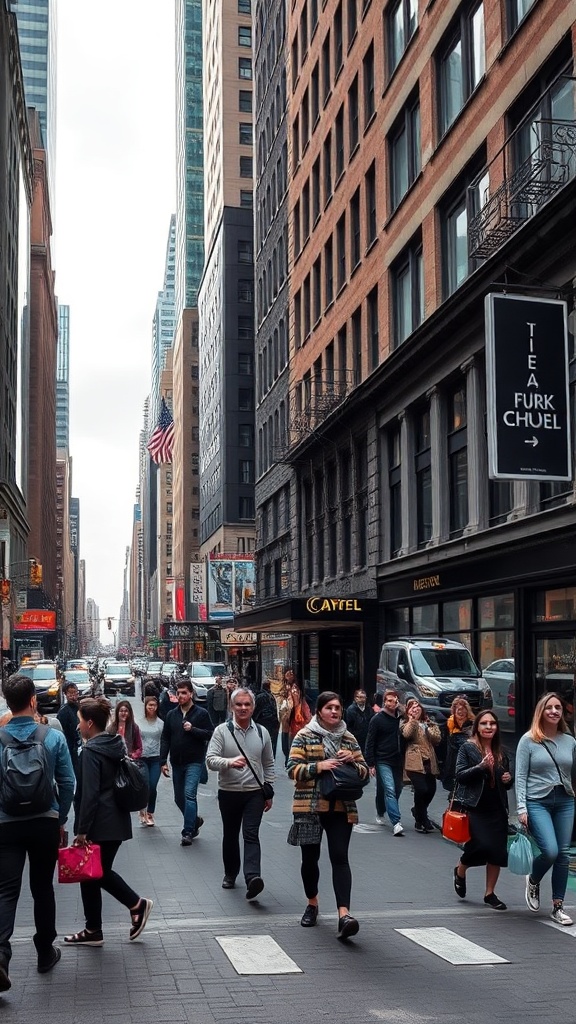
While major theaters draw large audiences, much of the city’s creative energy is found in small performance spaces and DIY venues. Experimental theater companies, spoken-word nights, and improvisational troupes use intimate settings to push boundaries and cultivate dedicated followings. These spaces often operate on limited budgets and rely on community support, making attendance and word-of-mouth essential. Look for neighborhood listings and alternative arts calendars to find rare performances that deliver one-of-a-kind cultural experiences.
Street art, murals, and public creativity
Public art projects and community murals transform ordinary blocks into open-air galleries. These pieces often tell local stories—celebrating community leaders, reflecting social movements, or commemorating neighborhood histories. Walkable streets reveal evolving layers of creativity: a block can feature long-standing murals, new stencil work, and collaborative pieces created with local schools and organizations. Respect the work by photographing mindfully and supporting local art initiatives that maintain legal and community-oriented practices.
Music scenes and small venues
Small music venues are where new genres and future stars often first emerge. Jazz clubs, indie rock bars, and experimental sound nights provide spaces for artists to refine their craft and for audiences to discover fresh talent. Many venues curate themed nights that foster community among both musicians and fans, and neighborhood promotions often make attending these shows accessible. Check local venue calendars, arrive early, and consider supporting artists and venues directly by purchasing merch or contributing to tip jars.
Public spaces, markets, and community events
Neighborhood parks, weekend markets, and block parties offer recurring opportunities to connect with local culture.
Farmers markets and artisanal fairs showcase neighborhood producers and makers, while pop-up events bring together music, food, and craft. These gatherings are ideal for meeting creatives, learning about neighborhood initiatives, and experiencing community-driven culture first-hand.
How to engage respectfully
– Venture beyond tourist hubs: neighborhood exploration reveals the city’s most authentic scenes.
– Support local businesses: buying a meal, a ticket, or a piece of art directly funds the creators who shape neighborhood culture.
– Check listings and buy tickets in advance when possible: smaller venues can sell out quickly.
– Be mindful: photograph with consent, follow venue rules, and respect residential areas late at night.
Neighborhood culture is where the city’s energy is renewed daily—small discoveries that ripple outward, shaping broader trends and keeping the city’s creative heart beating. Whether you’re seeking groundbreaking performances, fresh flavors, or public art that tells community stories, local neighborhoods are the best place to start exploring and contributing to the city’s living culture.