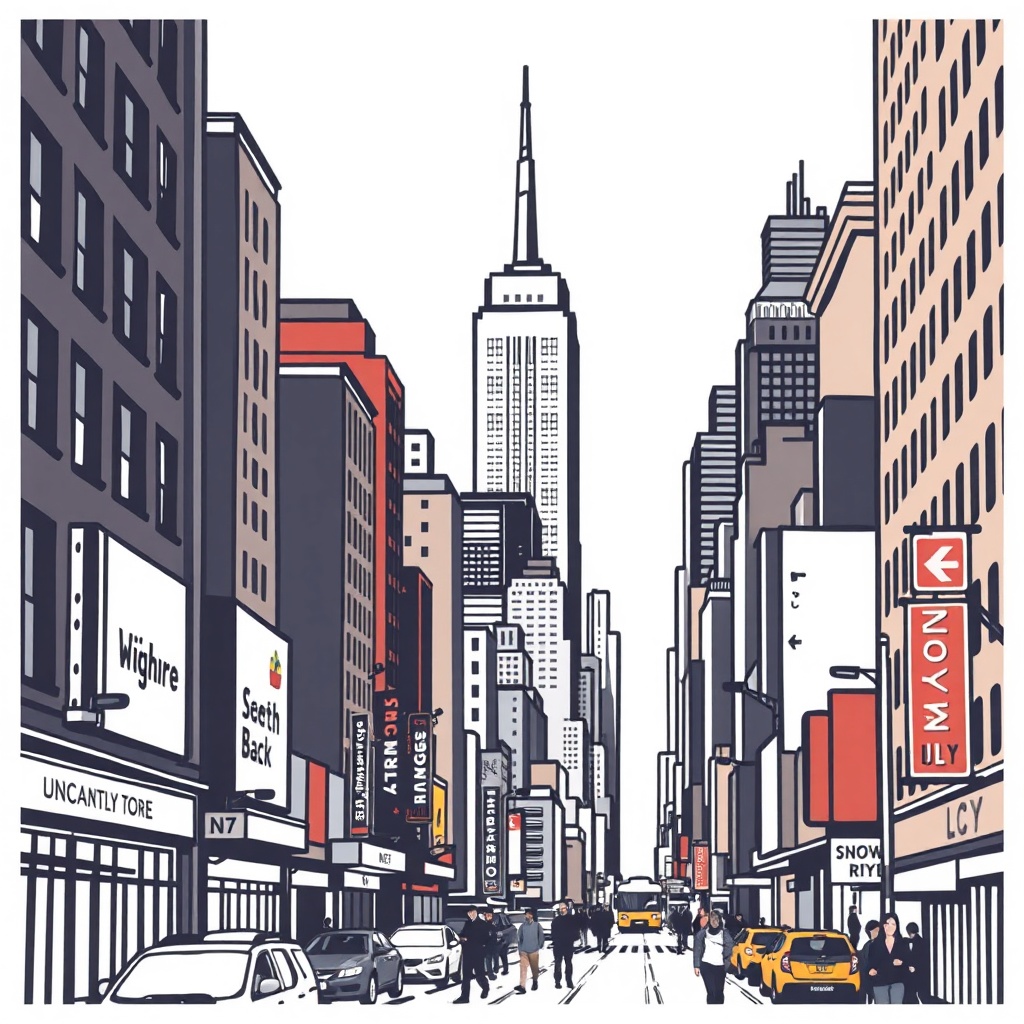
New York City culture is built from constant motion — a mix of tradition, reinvention, and neighborhood creativity that keeps the city feeling both familiar and surprising. From pop-up restaurants and block parties to underground theater and mural-lined avenues, the cultural life of NYC is resilient and always evolving.
Neighborhoods as cultural engines
Each borough contributes its own flavor. Neighborhoods retain cultural identity through small businesses, family-run eateries, independent bookstores, and community centers. Local markets and specialty shops often act as anchors, drawing residents and visitors alike and creating opportunities for emerging artists, chefs, and performers.
When a new concept opens — be it a rooftop music series, a Latinx arts collective, or a basement poetry night — it amplifies a neighborhood’s voice while supporting micro-economies that sustain creative life.
Public space and the reclaiming of streets
Street life has become a key canvas. Weekend pedestrian plazas, expanded outdoor dining, and open-street festivals transform formerly car-dominated corridors into places for socializing and performance. These shifts encourage spontaneous cultural exchange: buskers, pop-up galleries, and food stalls create low-barrier entry points for artists and entrepreneurs. Community-led park programming and art walks help activate underused spaces, making culture more accessible beyond traditional venues.
Food culture: fusion and authenticity
Food remains one of the clearest expressions of NYC’s cultural mosaic. Immigrant-run restaurants coexist with experimental kitchens, where classic recipes meet modern techniques.
Food halls and night markets showcase diverse offerings without the formalities of fine dining — an accessible way to sample different traditions in one place. At the same time, neighborhood staples that have served communities for decades continue to anchor local identities.
This blend of authenticity and innovation keeps the culinary scene dynamic and approachable.
Performance beyond marquee theaters
While Broadway and major museums draw international attention, a thriving ecosystem of off-Broadway and off-off-Broadway theaters, DIY venues, and community stages fuels artistic experimentation. These spaces nurture emerging playwrights, comedians, and musicians who may later move onto larger stages. Intimate performance venues also foster closer connections between artists and audiences, making cultural participation more immediate and personal.
Street art and visual storytelling
Street art has evolved from illicit tagging to a recognized art form that documents social change, commemorates local histories, and brightens commercial corridors. Murals, wheat-pastes, and sculptures often reflect neighborhood narratives and provide artists with direct ways to engage the public.
Organized mural tours and artist-led workshops help residents understand the stories behind the imagery and build civic pride.
Challenges and resilience
Economic pressures, rising rents, and development create ongoing challenges for cultural preservation. Still, community organizations, artists’ coalitions, and small-business alliances work to protect creative spaces through advocacy, adaptive reuse of buildings, and cooperative ownership models. These efforts demonstrate a commitment to maintaining cultural diversity and ensuring artists and small entrepreneurs can continue to shape the city.
How to experience it
To tap into authentic NYC culture, explore beyond tourist corridors: visit local markets, attend a neighborhood festival, catch a small-studio performance, or join a guided mural walk. Talk to owners, artists, and neighbors — many cultural experiences begin with simple human connection.
The city’s cultural heartbeat is found in its willingness to adapt while holding onto the stories and traditions that communities carry forward. By seeking out those local rhythms, anyone can discover why NYC culture remains a powerful, living force.