Manhattan’s Waterfront: How the Island Is Adapting to Rising Tides
Manhattan’s skyline and waterfront are iconic, but the island’s geography makes it vulnerable to coastal flooding and intense storms.
Waterfront resilience has moved from a niche planning topic to a core part of urban design, with architects, planners, and community groups working together to protect neighborhoods while expanding public access to the shoreline.
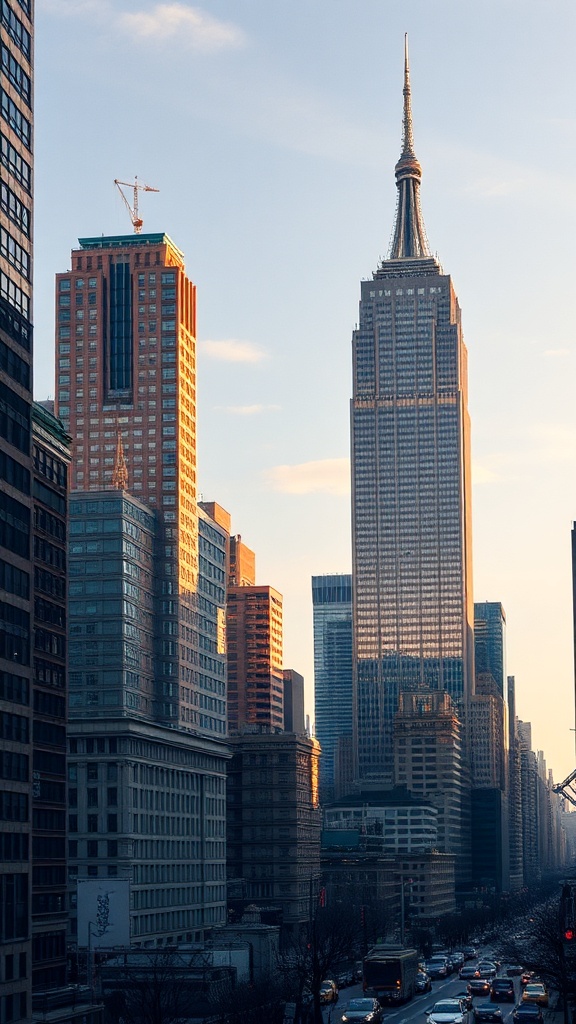
Multi-purpose waterfront design
A major shift in waterfront strategy is the move toward multi-purpose infrastructure. Instead of invisible concrete walls, new approaches blend flood protection with amenities: raised parks that double as storm surge berms, promenades that act as floodable plazas, and wetlands that absorb wave energy while creating habitat.
These designs prioritize community use, so residents benefit from green space that also reduces risk.
Distributed defenses and nature-based solutions
Citywide resilience now relies on distributed, layered defenses rather than a single barrier. Smaller interventions—living shorelines, restored tidal marshes, oyster beds, and expanded riparian buffers—work together to reduce wave energy and slow erosion. These nature-based solutions are paired with engineered measures like deployable flood gates and seawalls in areas with critical infrastructure.
Infrastructure hardening and energy resilience
Transit, utilities, and communications systems have been retrofitted to better withstand floods. Subway stations and tunnels use flood gates and pump upgrades; electrical systems are being hardened and supported by localized microgrids to keep hospitals and essential services running during outages. Property owners are increasingly investing in resilient building systems: elevated mechanicals, flood-resistant materials, and wet/dry floodproofing strategies.
Public-private collaboration and community engagement
Effective resilience requires coordination across agencies, developers, and local communities. Public engagement helps ensure projects meet neighborhood needs—adding recreational amenities, improving access, and addressing social equity. Community-led initiatives also focus on protecting small businesses and affordable housing, recognizing that resilience is as much about people as infrastructure.
Impacts on real estate and urban life
Resilience planning has implications for development and real estate. Properties in high-risk zones face stricter building codes and insurance considerations, while neighborhoods with improved defenses can see increased investment. At the same time, integrated waterfront parks and better transit access enhance quality of life, making coastal neighborhoods more attractive for residents and visitors.
What residents and visitors can do
– Stay informed: sign up for local emergency alerts and monitor transit advisories during severe weather.
– Prepare homes: elevate critical systems, use water-resistant materials, and keep an emergency kit with essentials and important documents.
– Support local projects: engage in public meetings and community groups to influence how resilience projects are designed and prioritized.
– Consider insurance: review flood insurance options and understand coverage limits for properties near the waterfront.
Balancing access and protection
The challenge for Manhattan is balancing open, welcoming waterfronts with robust protections. The best projects create public spaces that invite use every day and provide reliable defense during extreme events. By integrating ecology, engineering, and equitable planning, the island’s waterfront can remain vibrant and accessible while reducing risk.
Ongoing innovation and stewardship will shape how Manhattan adapts to changing coastal conditions. Thoughtful design, community input, and investment in both natural and engineered systems help ensure the waterfront remains a vital part of city life for decades to come.