Manhattan: A Practical Guide to Neighborhoods, Green Space, and Getting Around
Manhattan remains a compact island of constant motion — a place where neighborhoods each have a distinct personality, green spaces provide essential respite, and transportation options let you move quickly between work, culture, and nightlife. Whether you’re visiting for a few days or thinking about living here, focus on a few practical tips to get the most out of the borough.
Neighborhoods that define Manhattan
– Midtown: The dense core of commerce and tourism.
Expect big hotels, corporate towers, and major attractions.
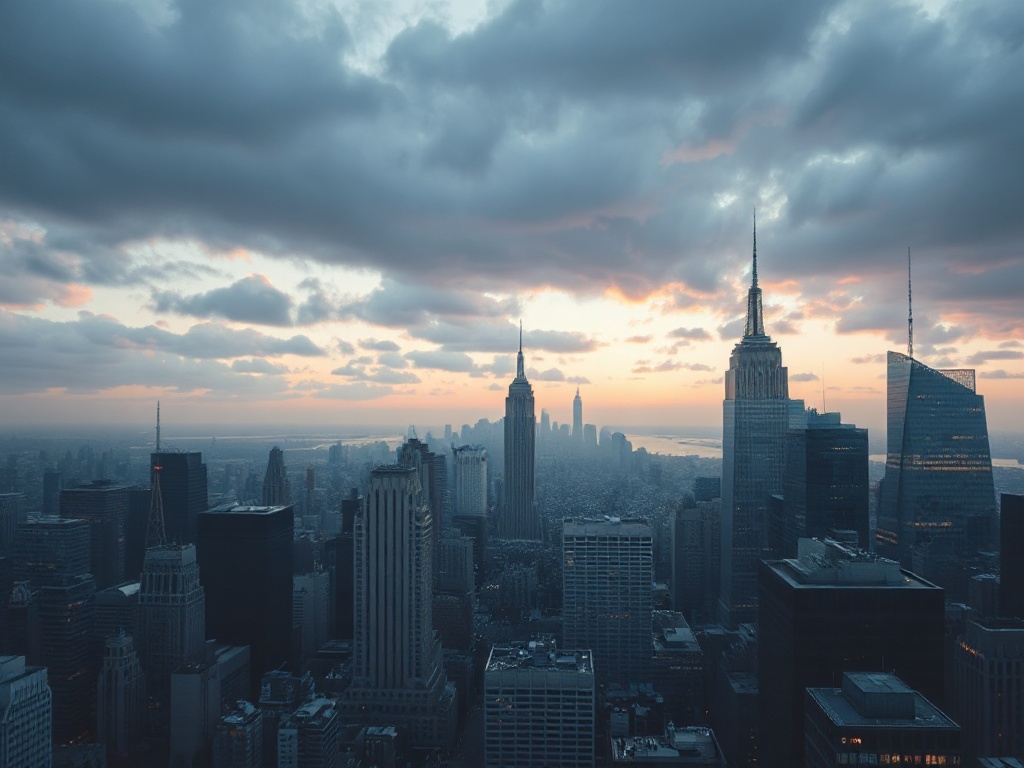
Walkable streets and numerous transit lines make it a hub for first-time visitors.
– Chelsea & Meatpacking: Art galleries, boutique shopping, and a lively restaurant scene. The High Line and nearby waterfront paths create a pleasant mix of urban design and outdoor access.
– Greenwich Village & West Village: Tree-lined residential blocks, independent cafes, and music venues. Ideal for slower-paced exploration on foot.
– Lower East Side & East Village: A mix of historic tenement culture and edgy nightlife, offering dive bars, small music venues, and innovative dining.
– Upper West & Upper East Sides: Quiet residential streets, museums, and proximity to expansive parkland—great for families and culture seekers.
– Financial District & Battery Park City: Waterfront promenades, historic sites, and a growing residential community with impressive skyline views.
Green space and waterfronts
Manhattan’s parks are more than scenic spots — they’re community hubs. Central Park remains the premier escape for jogging, picnicking, and outdoor performances. Smaller parks like Bryant Park and Washington Square provide programmed activities, free performances, and places to relax between errands. The waterfront has been reimagined with continuous paths, piers, and parks along both the Hudson and East Rivers, offering running lanes, playgrounds, and kayak launches.
Getting around efficiently
– Subway: The fastest way to traverse the island for most trips. Frequent service on core lines helps avoid street traffic.
– Ferries: An increasingly viable option for scenic commutes and a direct link to waterfront neighborhoods across the rivers.
– Biking & scooters: Protected bike lanes and bike-share programs make cycling safer and more convenient.
Helmets and awareness of rush-hour flows are advisable.
– Walking: Many Manhattan neighborhoods are best experienced on foot. Wear comfortable shoes and plan for frequent short detours — the small shops and food vendors are part of the charm.
– Rideshares & taxis: Helpful late at night or for direct point-to-point travel, but congestion can slow trips during peak hours.
Food, culture, and nightlife
Manhattan’s culinary scene ranges from iconic delis and pizza joints to Michelin-starred tasting menus.
For a local approach, scout neighborhood markets, chef-driven bistros, and bakeries with early queues.
Cultural institutions remain deeply woven into the fabric here — world-class museums, live theater, independent galleries, and music venues offer choices for every taste and budget. Off-the-beaten-path finds often reward a short walk down a side street.
Practical tips
– Time your visits: Early mornings and weekday afternoons tend to be quieter at popular sites.
– Book ahead for major shows and museum exhibitions to secure best times and pricing.
– Layer clothing and prepare for microclimates: waterfront breezes and shaded avenues can feel very different across short distances.
– Respect local etiquette: crowded sidewalks, bike lanes, and rush-hour subway etiquette help keep flows smooth for everyone.
Manhattan’s energy is constant, but the best way to appreciate it is to slow down enough to notice the differences between blocks. Blend planned highlights with spontaneous neighborhood exploration and you’ll experience both the iconic sights and the everyday textures that make Manhattan memorable.