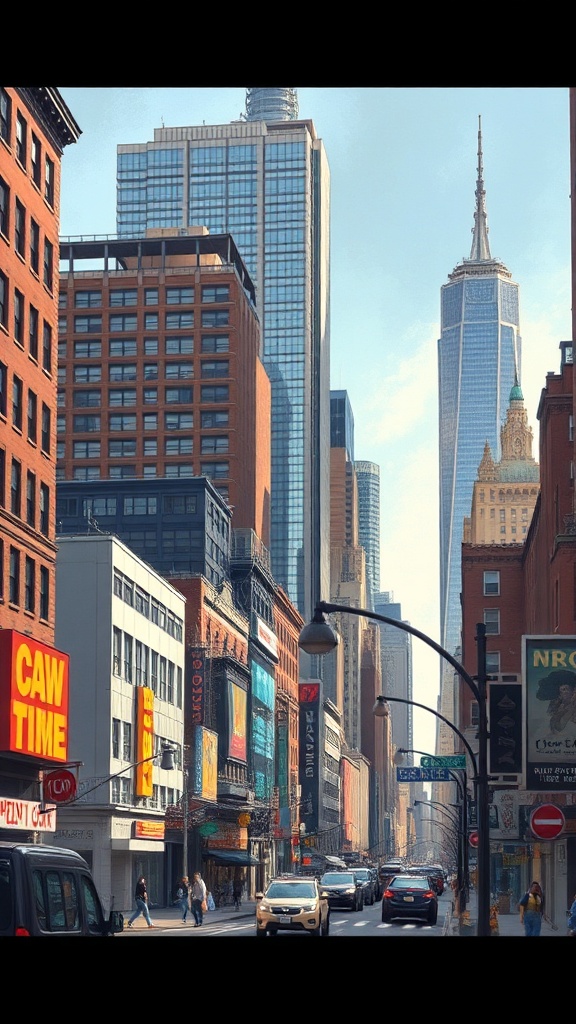
New York City’s streets are shifting from car-first corridors into people-focused places.
Across all five boroughs, a blend of design, policy, and community activation is turning roads into safer, greener, and more useful public space. Whether you commute, run a local business, or simply walk your dog, these changes shape daily life—and offer ways to get involved.
Street design that prioritizes people
City planners and transportation agencies are pushing “complete streets” principles: sidewalks, safe crossings, protected bike lanes, bus lanes, and trees working together. Protected bike lanes separate cyclists from traffic with parked cars, flexible posts, or raised curbs, making cycling accessible to more people, including families and older riders. Bus priority lanes keep transit moving faster and more reliably, improving service for riders across neighborhoods.
Safety initiatives and slow streets
Traffic calming measures—raised crosswalks, curb extensions, tightened corners, and reduced turn radii—make intersections less hazardous for pedestrians. Programs focused on reducing serious traffic injuries and fatalities emphasize targeted engineering on high-risk corridors, and community input helps prioritize which blocks need attention first.
Plazas, parklets, and reclaimed curb space
Parking spots and underused roadway have been converted into lively plazas and parklets that host farmers markets, outdoor dining, and pop-up performances. These spaces boost local businesses and create social hubs where neighbors gather. Community-led activation keeps them relevant: arts events, small-business markets, and youth programming help these spots thrive.
Climate resilience on the street level
Streetscape projects increasingly integrate green infrastructure—bioswales, permeable pavements, and tree pits—to manage stormwater and cool urban heat islands. Street trees not only beautify sidewalks but also improve air quality and reduce energy loads for nearby buildings. Thoughtful design can turn routine street upgrades into climate mitigation projects that benefit neighborhoods over time.
Micro-mobility and multimodal networks
E-bikes, scooters, and bike-share systems are expanding options for short trips and first/last-mile connections. Successful micro-mobility depends on safe, connected lanes and clear parking rules to avoid cluttered sidewalks. Neighborhoods with continuous bike infrastructure tend to see higher ridership and fewer conflicts between users.
How to engage locally
– Use official maps and tools to find protected lanes, busways, and plazas in your neighborhood—these resources help plan safer trips.
– Report problems like damaged signals, potholes, or blocked bike lanes through municipal apps or 311-style services; timely reports accelerate repairs.
– Attend community board meetings or local transportation workshops to weigh in on capital projects and street redesigns.
– Support local businesses that use reclaimed curb space and join plaza stewardship groups that organize programming and maintenance.
Design that centers equity
Prioritizing equity means focusing upgrades in areas with high transit dependence and limited access to green space. Transportation work that connects housing, jobs, and essential services helps reduce travel burdens and supports economic mobility.
Community outreach that reaches non-English speakers and underrepresented groups ensures projects meet real neighborhood needs.
The shift in NYC street life is a gradual but visible one: safer crossings, more reliable transit, and a growing palette of public spaces. Small changes—from planting a tree to supporting a local plaza event—help shape streets that serve everyone. Keep an eye on local planning resources and get involved to make sure your block benefits from the transformation.