New York City’s food scene keeps evolving, blending deep-rooted classics with adventurous newcomers. Whether you’re a visitor mapping out must-eats or a local hunting for the next great find, the city offers endless options: iconic slices, immigrant-driven flavors, inventive plant-based kitchens, and neighborhood food halls that make sampling easy.
What to expect on the streets and in dining rooms
Street food and bodegas remain essential.
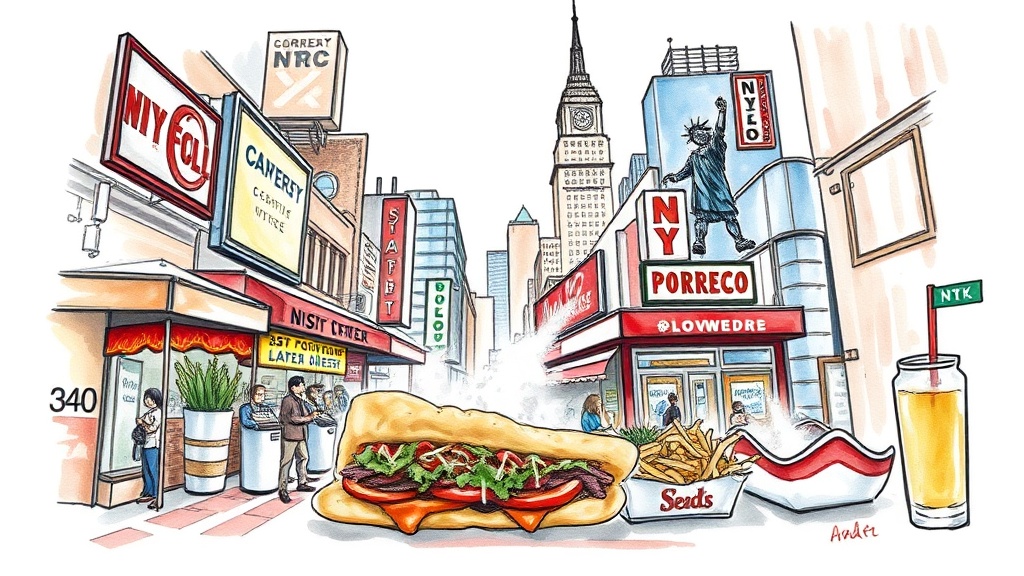
A perfectly folded slice of pizza eaten on the go, a late-night falafel from a corner cart, or a bagel debated over at a counter are as much part of the experience as upscale tasting menus. At the same time, more restaurants are experimenting with fermentation, whole-animal butchery, and vegetable-forward tasting menus that spotlight seasonal, locally sourced produce.
Neighborhoods worth exploring
– Queens: One of the most diverse culinary playgrounds you can find — expect South Asian, Latin American, East Asian, and Southeast Asian specialties cooked with authentic technique and regional ingredients.
– Brooklyn: Home to artisan bakeries, experimental restaurants, and a robust coffee culture; it’s also a hub for creative food startups and pop-up supper clubs.
– Manhattan: Classic establishments, chef-driven fine dining, and the busiest food halls, where global cuisines and specialty vendors converge.
– The Bronx and Staten Island: Strong local traditions, family-run eateries, and neighborhoods where regional specialties shine without the tourist crowds.
Food halls, ghost kitchens, and delivery
Food halls provide an efficient way to taste many vendors at once; they’re attractive for groups and anyone who wants variety without multiple reservations. Parallel to this, ghost kitchens and delivery-focused concepts have expanded access to niche dishes across neighborhoods, often offering menus you won’t find in a traditional storefront. Popular delivery platforms make discovery easy, but stepping inside a shop or market still gives the most authentic experience.
Trends shaping menus
– Plant-forward dining: Chefs are crafting full-bodied dishes that center vegetables without sacrificing comfort or umami, from elevated salads to sophisticated vegan tasting menus.
– Fermentation and preservation: Everything from housemade kimchi to shelf-stable condiments enhances depth of flavor and reduces waste.
– Natural wine and low-intervention spirits: These selections complement contemporary menus and pair well with vegetables and lighter proteins.
– Sustainability: Restaurants increasingly source from local farms, practice whole-animal cooking, and seek packaging alternatives that reduce single-use waste.
Practical tips for food lovers
– Go where the lines are: Long lines often mean something worth trying, but be prepared for waits at popular counters and limited seating.
– Mix planned and spontaneous: Book a sought-after dinner, then leave room for a walkable neighborhood discovery — small bakeries, markets, and carts often hold surprises.
– Ask locals and vendors: Staff and regulars can point to hidden gems, off-menu items, and daily specials that aren’t obvious online.
– Mind neighborhood rhythms: Lunch crowds, early evening rushes, and late-night hotspots each offer different atmospheres and menus.
From the city’s classic institutions to experimental pop-ups, the food culture keeps expanding its vocabulary. The best way to experience it is to taste broadly, prioritize small operators when possible, and let curiosity guide the next bite.