NYC’s Waterfront Renaissance: How to Experience the City’s Riverfront Best
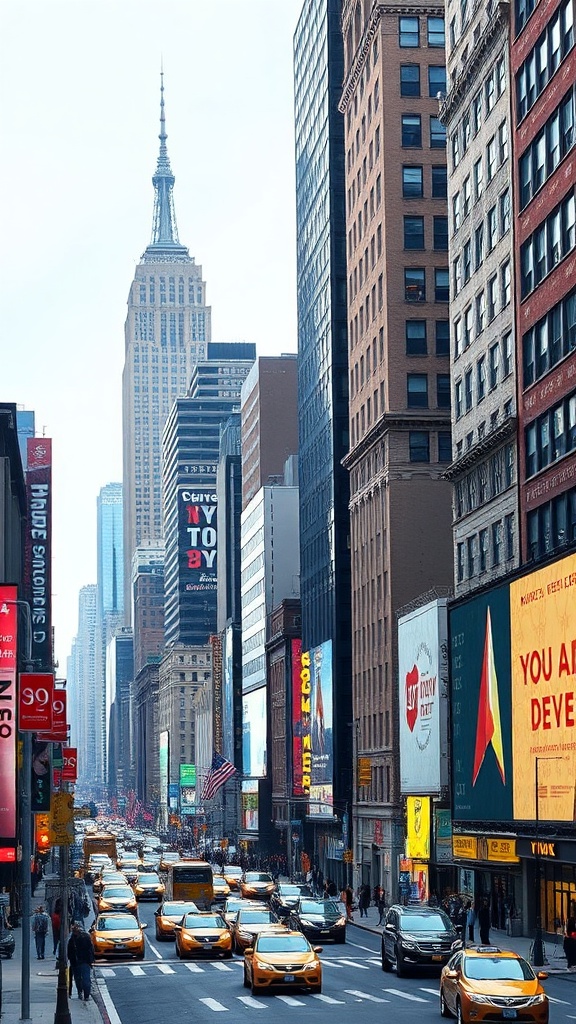
New York’s waterfront has shifted from industrial edges to some of the city’s most beloved public spaces. Whether you’re a local looking for a new Sunday routine or a visitor building an urban itinerary, the riverfront offers parks, walkways, ferries, food and skyline views that feel both fresh and quintessentially New York.
Where to go
– Hudson River Park: Stretching along Manhattan’s west side, this greenway is ideal for long walks, running, or a picnic with uninterrupted sunset views. Piers host small events, recreational fields, and kayak launches.
– Brooklyn Bridge Park: A mix of lawns, playgrounds and piers drops you close to the Brooklyn Bridge and the DUMBO waterfront.
The park’s promenades create outstanding photo ops of Manhattan’s skyline.
– East River Esplanade: Connecting neighborhoods along the east side, this pathway offers quieter stretches, links to local piers, and Midtown views across the river.
– Gantry Plaza State Park: In Long Island City, this riverside park provides a dramatic, elevated view of Midtown Manhattan and has a relaxed, picnic-friendly atmosphere.
– South Street Seaport and the Staten Island Ferry: For classic harbor perspectives, stroll the seaport’s restored cobblestone streets or take the free ferry for a close-up of the Statue of Liberty and lower Manhattan skyline.
– Smaller gems: Pier 45, the Rockaway Boardwalk, and waterfront sections in Red Hook and Williamsburg each offer distinct vibes—from calm fishing spots to lively food scenes.
Getting there and getting around
Ferries have reshaped how people move between boroughs; routes connect Manhattan, Brooklyn, Queens and the Bronx, offering scenic commutes and a practical way to avoid crowded trains. Bike-share docks cluster near many piers, and city bike lanes increasingly link waterfront paths to neighborhoods.
Public transit drops you close to most major riverfront parks; check transit maps and ferry schedules before you go.
What to do
– Walk, jog or bike the continuous greenways to see sculptures, gardens and repurposed industrial architecture.
– Pack a picnic or sample offerings from nearby food vendors and weekend markets that pop up along piers and parklands.
– Rent a kayak or take a guided boat tour to experience the city from the water.
– Scout sunset and skyline photo spots early—popular piers fill up fast with people watching the light change over the river.
Practical tips
– Bring layers—breezes off the water can be chilly even on warm days.
– Wear comfortable shoes; some pathways include boardwalk sections or uneven surfaces.
– Check accessibility info: many waterfront parks have ramps and accessible paths, but elevator access can vary at ferry terminals and historic piers.
– Respect park rules: some piers restrict alcohol, amplified music, or overnight stays. Leave no trace and use designated trash and recycling bins.
Sustainability and resilience
The waterfront landscape is increasingly shaped by sustainability and resilience efforts. Look for salt-tolerant plantings, living shoreline installations, and redesigned parks that absorb stormwater and protect the city from flooding while creating habitat for birds and pollinators.
Why it matters
The riverfront is more than a collection of pretty views—it’s a living public realm where recreation, transportation and environmental planning intersect. Visiting the waterfront gives a sense of how the city is evolving: greener, more connected, and more accessible to people who want to enjoy the water’s edge.
Plan your route, leave room for exploring, and let the riverfront reveal a side of the city that’s equal parts peaceful and exhilarating.