Manhattan is reinventing itself: balancing density, culture, and livability
Manhattan remains a global magnet for culture, business, and visitors, but the island is changing in ways that affect residents and travelers alike. As neighborhoods adapt to shifting work patterns, climate risks, and new mobility options, Manhattan’s strengths are its adaptability and its mix of public spaces, cultural institutions, and neighborhood character.
What’s shaping Manhattan now
– Work and real estate: Office demand has shifted, prompting conversions and creative reuses of commercial buildings. That trend is expanding housing choices in previously business-focused districts and encouraging mixed-use projects that blend apartments, shops, and cultural venues.
– Transportation and mobility: Investment in subway reliability is paired with expanded bike lanes and micromobility options.
Congestion management and pedestrian-first street designs are encouraging slower, safer traffic and more walkable neighborhoods.
– Climate resilience: Waterfront communities and major corridors are seeing new flood protections, green infrastructure, and resilient design standards for new development.
Parks, permeable surfaces, and upgraded utilities aim to reduce storm impacts and heat stress.
– Neighborhood vitality: Local businesses, markets, and cultural organizations continue to anchor community life. There’s renewed emphasis on supporting small vendors and preserving independent storefronts in the face of rising rents.
Top neighborhoods for different interests
– For arts and culture: The theater district remains a must-see for live performance, while smaller galleries and experimental spaces throughout downtown and uptown offer cutting-edge exhibitions.
– For food and markets: Diverse dining scenes from Chinatown to the East Village showcase global flavors. Public markets and low-key food halls are great for sampling local producers and supporting small businesses.
– For parks and waterfront: Central Park and the High Line are iconic, but lesser-known green spaces and waterfront esplanades offer quieter views and better access for families and cyclists.
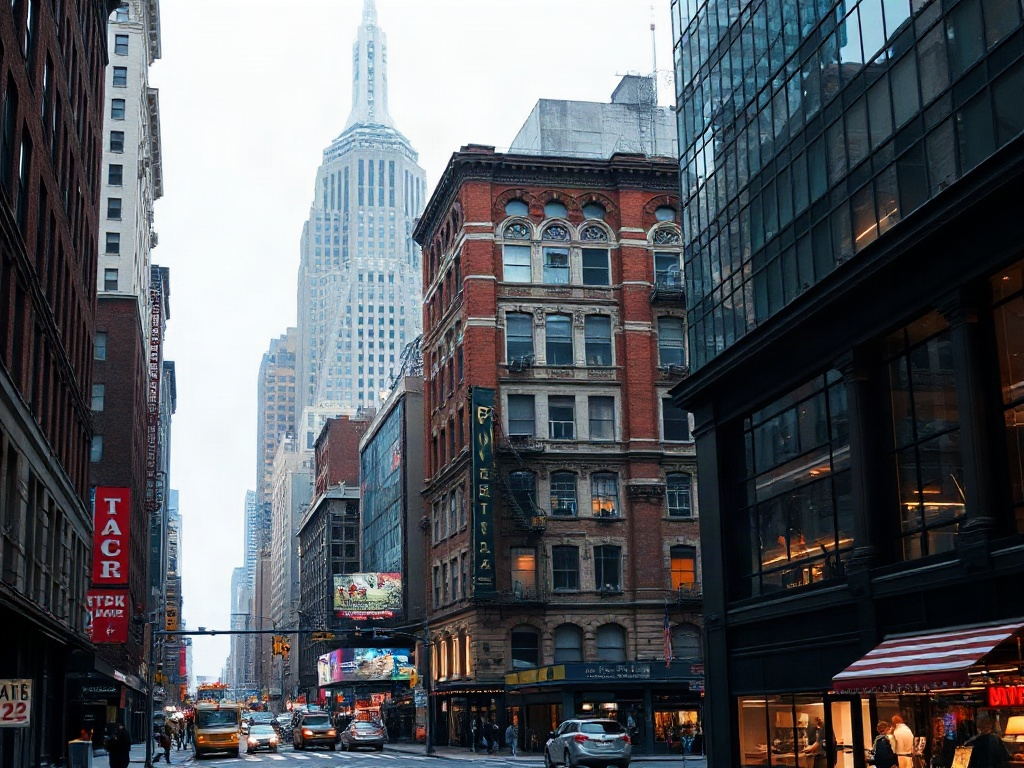
– For architecture and skyline views: Walk along certain riverfronts and elevated parks to appreciate how old brownstones, cast-iron facades, and new glass towers coexist in Manhattan’s layered skyline.
Practical tips for residents and visitors
– Plan trips around transit updates and off-peak hours to avoid crowds and construction impacts. Many ferry routes provide scenic alternatives to subways for certain commutes.
– Explore beyond headline attractions. Neighborhood walking tours reveal hidden gardens, community murals, and independent shops that give each area its flavor.
– Support local businesses by visiting farmers’ markets, neighborhood delis, and family-run restaurants.
Small purchases help maintain community diversity.
– Pack for weather variability and sudden showers—city microclimates and coastal storms can change plans quickly. Familiarize yourself with evacuation routes if staying near low-lying waterfronts.
– Book cultural events and popular restaurants ahead of time.
Advance planning often unlocks better prices and seating.
Why Manhattan still matters
Despite constant change, Manhattan’s unique density of cultural institutions, transit options, and neighborhood variety keeps it relevant. Investments in resilience, smarter streets, and adaptive reuse are shaping a more livable island that still attracts creativity and commerce. Whether you’re a resident navigating daily life or a visitor planning a short stay, engaging with both the iconic sites and the quieter corners offers the best experience of Manhattan’s evolving character.