Neighborhoods, people, and an unshakable appetite for reinvention keep NYC culture alive.
The city’s cultural identity isn’t defined by a single landmark but by thousands of local scenes — from corner bodegas and block parties to small theaters, galleries, and community gardens. These neighborhood hubs are where everyday life becomes cultural life.
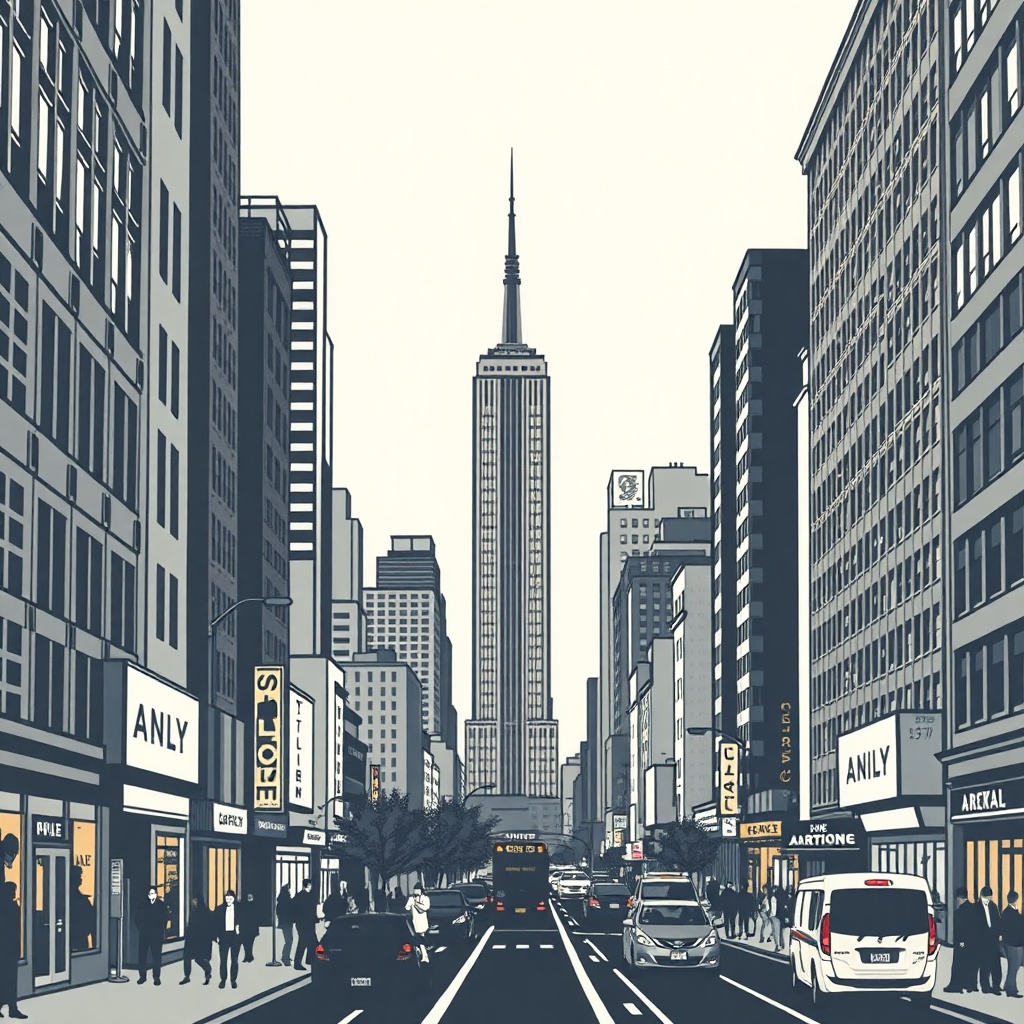
What makes NYC culture distinctive
– Diversity by default: Immigrant communities continually reshape food, music, language, and festivals. Whether you’re sampling pan-Asian markets, Latinx nightlife, or West African hair salons, cultural exchange happens at street level.
– Density of creatives: Affordable studio spaces, shared rehearsal rooms, and pop-up venues allow emerging artists to experiment and connect with neighbors, creating grassroots movements before they reach mainstream stages.
– Public life as performance: Parks, plazas, and subway stations are cultural stages — buskers, muralists, and performance artists perform for audiences that shift with the subway schedule.
– Resilience and reinvention: Spaces morph to meet community needs.
A former storefront can become a gallery; a backyard can become a summer cinema; a volunteer-run library becomes a civic hub.
How culture shows up across neighborhoods
– Food: From late-night bodega staples to experimental tasting menus and a flourishing plant-based scene, food is a cultural translator. Neighborhood markets and food halls highlight regional specialties and seasonal produce, making cuisine a public conversation.
– Music and nightlife: Small venues, open mics, and DJs at neighborhood bars keep scenes vibrant. Many performers favor intimate rooms that prioritize discovery over spectacle.
– Visual arts: Street art and small galleries offer accessible encounters with new artists. Mural projects sponsored by local groups often respond to neighborhood history and current events.
– Community spaces: Libraries, senior centers, and churches host workshops, language classes, and exhibitions, anchoring cultural life beyond commercial circuits.
Why this matters for visitors and locals
Neighborhood culture offers more authentic connections than a guidebook checklist. Spending an afternoon in a neighborhood market, going to a community-run gallery opening, or catching a reading at an indie bookstore offers context you won’t find at big tourist sites. For residents, supporting local initiatives — through donations, attendance, or volunteering — helps preserve cultural infrastructure under pressure from rising rents and redevelopment.
Practical ways to engage respectfully
– Explore on foot or by bike to notice storefronts, posters, and street-level art.
– Check community calendars and neighborhood social channels for pop-ups, block parties, and small performances.
– Buy meals or small items locally — a small purchase at a coffee shop or deli supports cultural caretakers.
– Attend events with curiosity and ask questions; many organizers welcome visitors but prefer engagement that respects local priorities.
– Support arts programming with micro-donations or memberships to keep independent spaces solvent.
The future of NYC culture will continue to be written at the neighborhood level. Small interventions — an artist-run space opening a second location, a community garden organizing a concert, a longtime restaurant adapting its menu — accumulate into a larger cultural pulse.
Whether you’re exploring as a newcomer or rooted as a longtime resident, the best way to experience NYC culture is to follow the local rhythms, show up often, and invest in the places that make each neighborhood feel like itself.