Brooklyn’s Waterfront: Parks, Public Access, and Climate Resilience
Brooklyn’s waterfront has become a defining feature of the borough’s identity, blending green space, cultural destinations, and forward-looking infrastructure. Once dominated by industry and shipping, today the waterfront invites residents and visitors to linger, play, and connect with the water — while planners and communities work to make that access durable as the climate changes.
What to experience
– Waterfront parks: From broad lawns with skyline views to intimate piers with seating and public art, Brooklyn’s park network gives visitors a range of experiences.
Popular stretches offer waterfront promenades for jogging and biking, picnic-ready lawns, and dedicated play spaces for children.
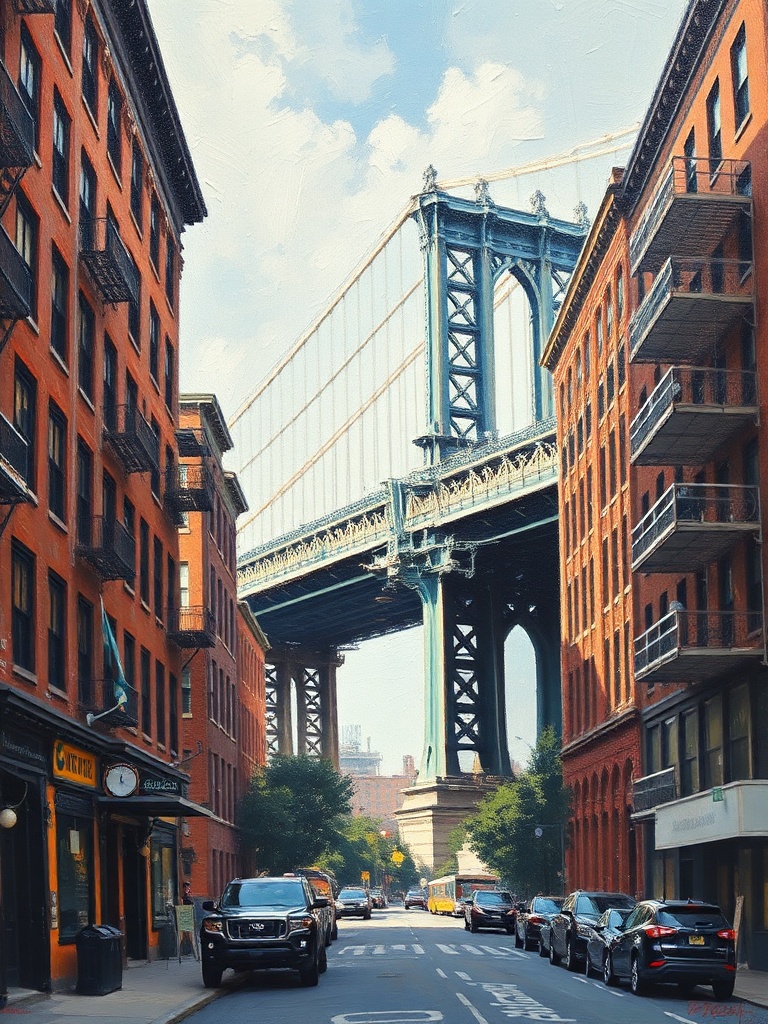
Several parks include food kiosks or nearby cafés that make staying for a few hours easy.
– Cultural destinations: Galleries, performance spaces, and seasonal outdoor stages line the waterfront. Expect installations, pop-up markets, and occasional live music that leverage the dramatic backdrop of the East River and the Manhattan skyline.
– Historic and adaptive reuse sites: Old industrial complexes have been reinvented as creative workplaces, makerspaces, and markets.
These sites preserve architectural character while bringing new economic life to the shoreline.
Resilience and design
Brooklyn’s approach to waterfront development balances public access with robust resilience measures. New park designs increasingly incorporate floodable landscapes, elevated promenades, and natural buffers such as wetlands and salt-tolerant plantings that absorb storm surge and reduce erosion. Hard infrastructure — including seawalls and deployable barriers in some locations — complements green strategies to protect neighborhoods and critical assets.
Community-driven planning plays a central role: local groups and civic leaders participate in shaping which areas are prioritized for protection and how public space is programmed.
This collaborative process helps ensure that resilience projects also support recreation, habitat restoration, and equitable access.
Getting around and what to know
Most waterfront destinations are accessible by subway, ferry, and bike. Ferries offer a scenic entry point and have expanded access across the borough, easing connections between neighborhoods and Manhattan. Bike lanes and waterfront greenways make cycling a practical and pleasant option for exploring multiple parks in one outing. For a calmer pace, many residents prefer walking new segments of the greenway, stopping at viewpoints and cafes along the way.
Insider tips
– Visit during off-peak hours for quieter waterfront views and easier parking options.
– Check local park websites or social feeds for pop-up events like outdoor film nights, food markets, and fitness classes.
– Seek out smaller, lesser-known piers to avoid crowds while still enjoying waterfront access and views.
– If visiting with a stroller or mobility device, look for accessible ramps and paved promenades when planning your route.
Why it matters
The transformation of Brooklyn’s waterfront reflects broader shifts in urban planning that prioritize public space, environmental stewardship, and community resilience. By turning former industrial edges into lively public realms, the borough creates new economic opportunities while preparing for changing climate conditions. The result is a waterfront that’s welcoming, forward-looking, and increasingly integrated with the daily life of Brooklynites.
Plan a visit to explore one of the revitalized parks, catch a waterside performance, or simply take a long walk along the greenway — the waterfront continues to offer fresh ways to experience Brooklyn’s riverfront energy and creativity.