Manhattan: A Practical Guide to Neighborhoods, Parks, Transit, and Dining
Manhattan remains a global magnet for culture, food, and fast-moving neighborhoods. Whether visiting for a weekend or navigating daily life, understanding how the borough is organized helps you get more out of every block.
What to expect by neighborhood
– Midtown: The business and performance hub with dense transit options, iconic theaters, and large office corridors. Best for quick museum hops and classic skyline views.
– Lower Manhattan & Financial District: A blend of historic streets and modern towers, with waterfront parks and a growing residential scene.
– Greenwich Village & West Village: Tree-lined streets, independent shops, and a slower pace—ideal for café culture and nightlife.
– Chelsea & Meatpacking: Art galleries, food markets, and elevated parkland combine with lively dining options.
– East Village & Lower East Side: Eclectic nightlife, small music venues, and international eats—perfect for adventurous food lovers.
– Harlem & Upper Manhattan: Rich cultural institutions, soulful dining, and expanding green space access for quieter neighborhoods north of the midline.
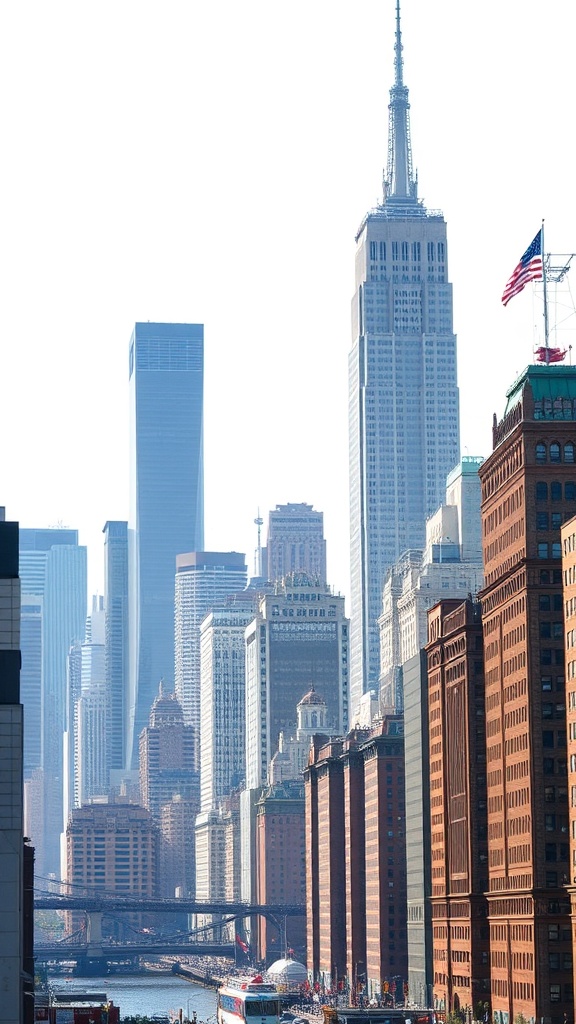
– Upper East & Upper West Sides: Museum Mile, family-friendly blocks, and easy access to Central Park make these classic Manhattan neighborhoods perennial favorites.
Parks and outdoor escapes
Central Park is a must, but Manhattan’s network of parks extends beyond the great lawn.
Elevated walks and riverfront greenways provide different perspectives of the skyline. Look for pocket parks, public plazas, and waterfront trails that are often less crowded and ideal for running, biking, or a peaceful break between activities.
Getting around
Walking remains the most rewarding way to experience Manhattan’s fabric. For longer trips, the subway is the backbone of mobility, now increasingly served by contactless fare options and expanded accessibility features.
Bus rapid transit corridors and protected bike lanes make cross-town travel more predictable, while bike-share stations and micro-mobility options provide flexible last-mile choices. Ferries also offer scenic commutes to several piers, bypassing road congestion and connecting neighborhoods along the river.
Dining and nightlife
Manhattan’s dining scene balances long-standing neighborhood institutions with experimental kitchens. Food halls and market halls are reliable for efficient sampling, while small restaurants and late-night venues keep local flavor alive.
Rooftop bars and hidden speakeasies offer elevated views and intimate atmospheres—reservations are recommended for peak nights.
Culture and attractions
Museums, independent theaters, and live music venues anchor cultural life.
Prioritize a mix of major institutions and neighborhood galleries to get both the headline exhibits and the local pulse.
Many cultural spots offer off-peak hours and timed tickets—planning ahead reduces waiting and enhances the experience.
Practical tips
– Plan for walking shoes and layered clothing; weather and microclimates vary from river to river.
– Use real-time transit apps and official transit contactless options to minimize delays.
– Book popular restaurants and attractions in advance, or try weekday and off-peak times for shorter lines.
– Explore beyond the main tourist corridors for affordable eats, unique shops, and quieter green spaces.
– Be mindful of rush-hour crowds on transit; mid-morning and mid-afternoon provide a more relaxed pace.
Whether exploring landmark sites or everyday neighborhoods, Manhattan rewards curiosity. Blend well-planned highlights with wandering down side streets, and the borough’s layered character will reveal itself—one block at a time.