Manhattan remains one of the most dynamic urban cores in the world — a compact island where culture, commerce, and everyday life collide.
Whether you’re visiting for a weekend or navigating life as a resident, understanding how the borough is changing helps you get the most out of its neighborhoods, parks, transit, and culinary scene.
Public spaces and climate resilience
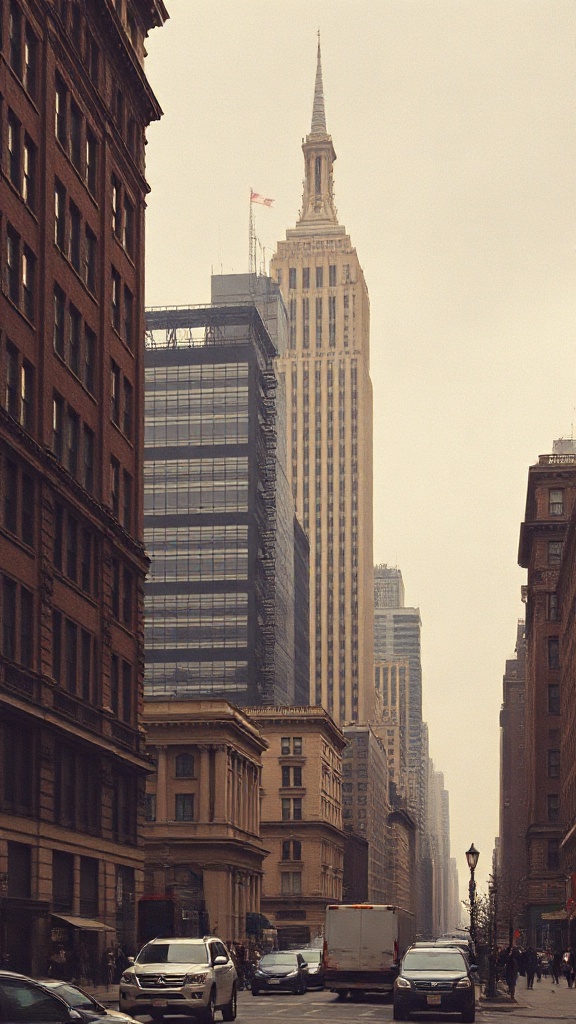
Manhattan’s parks and waterfronts are more than places to relax; they’re part of a growing effort to make the island more resilient. Waterfront promenades and expanded parks now serve dual roles as recreational space and stormwater buffers. Look for green roofs, permeable pavement, and tree-lined plazas that cool streets and reduce runoff during heavy rain. These initiatives are shaping safer, more pleasant public spaces while protecting low-lying neighborhoods.
Transit, micromobility, and getting around
Subway lines and commuter rail remain core to daily life, but mobility options have broadened. Dockless bikes, e-bikes, and shared scooters offer flexible last-mile solutions — especially helpful for connecting from transit hubs to work or leisure destinations. Pedestrian plazas and protected bike lanes make walking and cycling more attractive. For short trips, consider a combination of subway + bike share to avoid street-level congestion.
Neighborhood snapshots
– Midtown: The heart of business and major attractions, with fast transit access and a dense mix of hotels, theaters, and dining.
– Chelsea & Meatpacking: Known for contemporary art galleries, boutique shopping, and a lively nightlife scene anchored by elevated green space and riverside pathways.
– Lower Manhattan: A blend of financial institutions, historic streets, and up-and-coming food markets. Waterfront views and cultural venues add local character.
– Upper East & Upper West Sides: Museum corridors, leafy streets, and family-friendly amenities make these neighborhoods steady choices for longer stays or settling down.
Real estate and living trends
Manhattan’s housing market favors convenience and location.
Micro-units, flexible leases, and co-living options appeal to those prioritizing access over square footage. At the same time, many buildings are integrating energy-efficient upgrades, smart-home features, and amenity-driven services to attract long-term residents. For renters, consider proximity to transit and grocery options rather than chasing large floor plans in a single neighborhood.
Culture, dining, and nightlife
Manhattan’s food scene continues to reflect its diversity: from neighborhood bodegas and late-night slices to upscale tasting menus and global street food.
Art openings, off-Broadway theater, and small-venue concerts often surface in unexpected corners; keep an eye on neighborhood calendars and social feeds to catch pop-up events.
Museums and landmark institutions anchor cultural life, but some of the most memorable experiences come from smaller galleries, independent bookstores, and craft cocktail bars tucked behind unmarked doors.
Practical tips
– Peak walking hours can be crowded; plan extra time for short trips.
– Use a transit app that combines subway, bus, bike share, and walking directions for efficient door-to-door routes.
– Book popular restaurants and cultural events ahead to avoid sold-out disappointments.
– If you’re exploring the waterfront or parks, bring layered clothing — weather near the river can shift quickly.
Manhattan keeps evolving, balancing dense urban energy with smart investments in public space, mobility, and climate resilience. Whether you’re here for a day or making it home, the island’s combination of accessibility, culture, and constant reinvention makes every visit an opportunity to discover something new.