Weekend in Manhattan: A Practical Guide to Neighborhoods, Transit, and Hidden Gems
Manhattan packs a surprising amount of variety into a compact grid. Whether you’re visiting for a day or planning a longer stay, a smart plan helps you see more, spend less, and enjoy the city’s energy without getting overwhelmed. This Manhattan guide covers the essentials: neighborhoods worth exploring, transit tips, and a few local secrets.
Neighborhoods to Prioritize
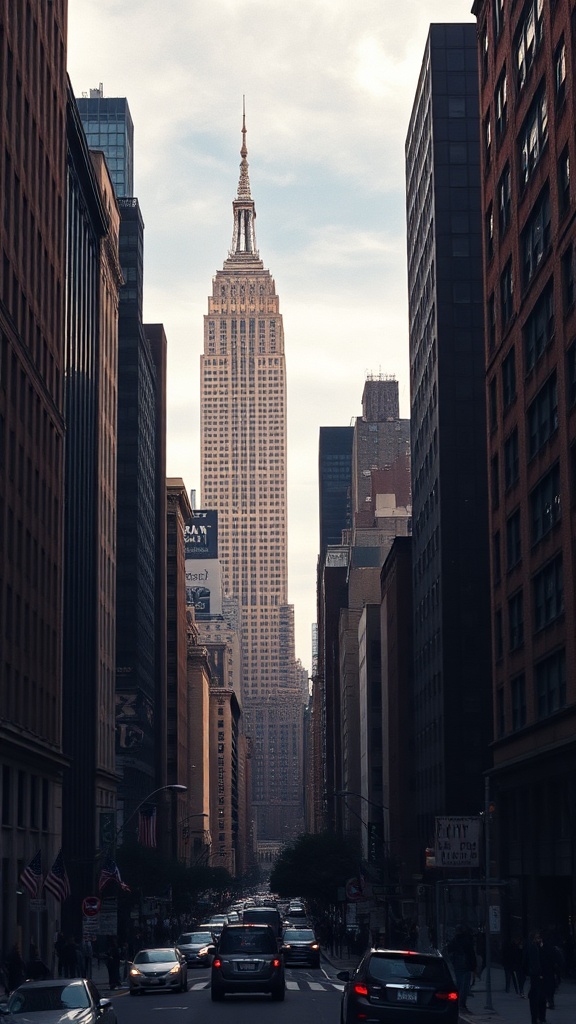
– Midtown: The iconic heart of Manhattan, filled with skyscrapers, major theaters, and dense retail. Great for a first-time visit if you want quintessential city views and easy transit connections.
– Chelsea & the High Line: Art galleries, the elevated High Line park, and Chelsea Market make this area ideal for mixing culture with casual eats.
Walk the High Line for skyline views and public art.
– Greenwich Village & West Village: Narrow, tree-lined streets, independent shops, and a strong café culture.
Perfect for strolling, people-watching, and finding cozy restaurants.
– Lower East Side & East Village: A buzzy food scene, nightlife, and boutique shopping.
This area offers a contrast to more polished neighborhoods and is great for late-night bites.
– Upper East & Upper West Sides: Home to major museums, brownstone-lined streets, and family-friendly parks. Choose the side that suits your museum and dining preferences.
– Harlem & Washington Heights: Rich cultural history, music venues, and soul food classics.
Both neighborhoods offer dynamic experiences slightly off the typical tourist track.
– Financial District & Battery Park: History meets waterfront views. Ideal for exploring museums, memorials, and scenic ferry departures.
Getting Around
Walking will be your most reliable travel mode — Manhattan was built for pedestrians. For longer distances, the subway is fast and budget-friendly; buses are useful for crosstown travel where subway lines are limited. Bike-share systems and dedicated bike lanes make cycling a viable option for many visitors. Ferries and water taxis add scenic connections to other boroughs and waterfront neighborhoods.
Tips for Stress-Free Transit
– Download a local transit app for real-time subway and bus information.
– Consider off-peak travel for less crowded trains and attractions.
– Have a contactless payment method ready; most services accept mobile wallets and contactless cards.
– Keep an eye on bike lanes and bike-share stations if you plan to cycle.
Where to Eat and Drink
Manhattan is a culinary melting pot.
For a quick bite, street vendors and food halls deliver high-quality, affordable meals. Neighborhood restaurants range from refined tasting menus to comforting delis and cafes. For a memorable outing, seek rooftop bars for sunset views or a speakeasy-style cocktail lounge for a late-night stop.
Cultural Must-Sees (Tickets Recommended)
Major art museums, theatrical performances, and music venues are spread throughout Manhattan.
Booking timed-entry tickets or reservations in advance often saves waiting time.
For flexible plans, explore smaller galleries, public art installations, and community theater offerings that frequently rotate.
Local Secrets
– Explore smaller parks like Bryant Park and pocket gardens for a quieter break between attractions.
– Walk along the waterfront for unique skyline perspectives and fewer crowds.
– Visit markets and seasonal pop-ups for locally made goods and food finds.
Safety and Comfort
Stay aware of your surroundings, especially in crowded areas.
Comfortable shoes are essential — the best way to discover Manhattan is on foot. Bring layers; the city’s microclimates can change between riverside paths and shaded avenues.
A well-planned Manhattan visit balances landmark stops with slow wandering.
Prioritize a few neighborhoods, use efficient transit, and leave space for spontaneous discoveries to make your time in the city memorable.