How New York Neighborhoods Are Reinventing Main Streets
Main streets across New York neighborhoods are changing shape: independent shops, outdoor dining, community spaces and new transit options are reshaping how residents work, shop and socialize. This evolution blends long-standing local character with fresh uses that make neighborhoods more walkable, resilient and appealing for a range of budgets.
What’s driving the change
Several forces are influencing neighborhood main streets. Small-business recovery and entrepreneurship have pushed a wave of specialty food shops, craft makers and service-oriented businesses into commercial corridors. Zoning tweaks and temporary curb cuts have created room for outdoor seating, parklets and pop-up markets. Meanwhile, flexible work habits have made neighborhood co-working spots and cafes more important anchors for daytime activity.
Neighborhood snapshots
– Brooklyn neighborhoods like those along bustling avenues have balanced artisanal retail with legacy bodegas and family-run restaurants. This mix keeps streets lively from morning to late night.
– Manhattan neighborhoods maintain dense foot traffic, but many corridors are becoming more mixed-use, with ground-floor retail supported by nearby residential buildings and offices.
– Queens neighborhoods are seeing a notable increase in diverse food offerings and cultural festivals that draw visitors from across the city.
– Outer-borough districts are leveraging affordable storefront rents to incubate creative businesses and community services.
Design and placemaking
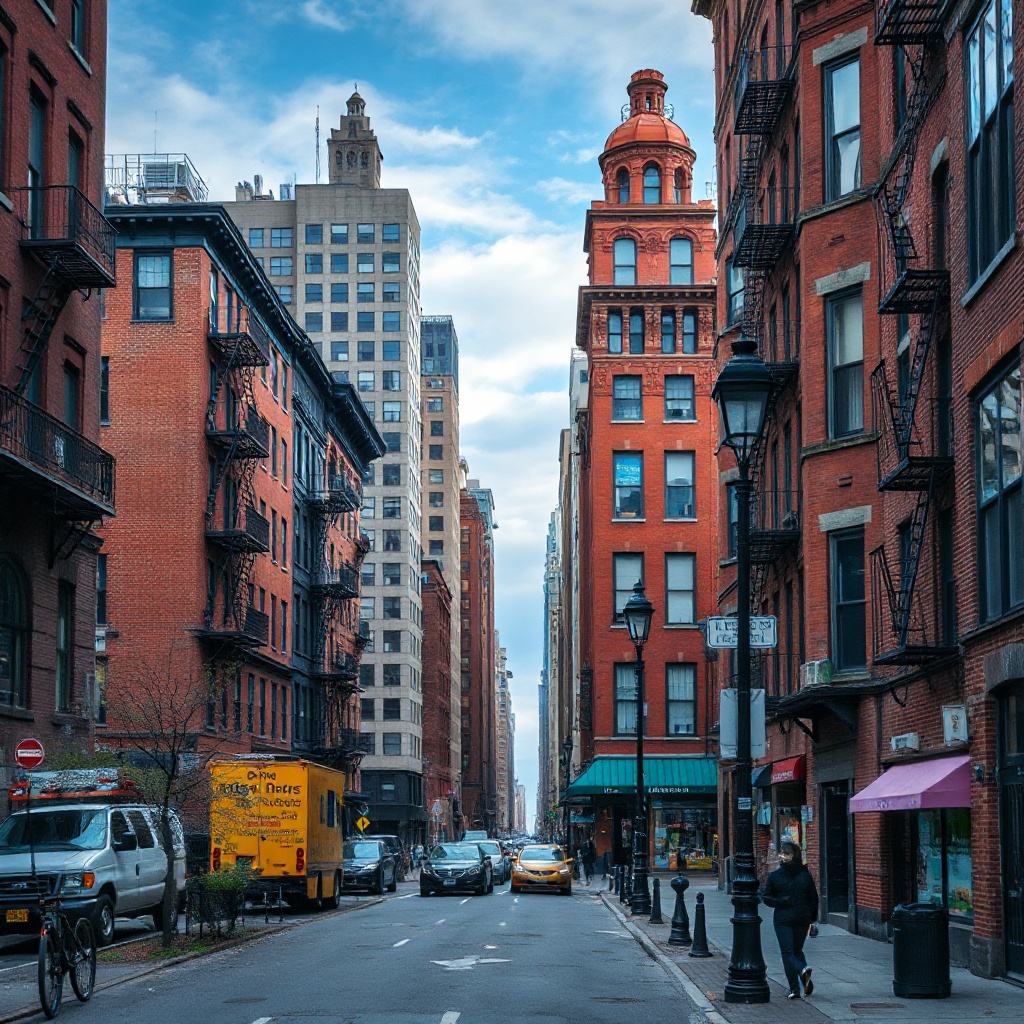
Placemaking initiatives are essential to this transformation.
Streets that prioritize pedestrians, add street trees and offer flexible seating become natural gathering points. Tactical urbanism—temporary installations, weekend markets and art walls—helps test ideas before permanent investments.
When local business improvement districts, community boards and property owners coordinate, main streets can evolve in ways that reflect neighborhood identity and needs.
Balancing growth and affordability
One challenge is maintaining affordability while supporting growth. Rising rents can push out longtime merchants and residents. Successful approaches to balance change include:
– Short-term leases and subsidized storefront programs for small businesses
– Shared commercial spaces that allow multiple vendors to rotate through one address
– Community land trusts and other housing strategies that preserve below-market units
Transit and accessibility
Access matters. Main streets located near multiple subway lines, bus routes and bike lanes benefit from steady foot traffic. New mobility options—bike-share hubs and improved pedestrian infrastructure—help connect residential blocks to commercial corridors. Prioritizing safe crossings, accessible sidewalks and clear wayfinding ensures that main streets serve people of all ages and abilities.
Tips for visitors and locals
– Explore side streets and smaller avenues; many great shops and eateries hide off the main drag.
– Visit during different times of day to get a sense of how a neighborhood shifts—morning coffee crowds differ from evening dining scenes.
– Support a mix of businesses: a combination of legacy shops and new ventures keeps local economies robust.
– Look for community calendars—pop-up markets, block parties and cultural events are often the best way to experience a neighborhood’s personality.
The lasting appeal
Main streets that embrace both tradition and innovation tend to thrive. When neighborhoods prioritize inclusivity—by supporting a diverse business mix, improving public space and maintaining affordable options—streets become more than commercial corridors: they become social anchors that reflect the character and resilience of the communities they serve. For residents and visitors alike, exploring New York neighborhoods means enjoying a constantly unfolding tapestry of food, culture, design and daily life.