New York City culture is a constantly shifting mosaic where global influences, neighborhood traditions, and cutting-edge creativity meet on the sidewalk.
For visitors and long-time residents alike, the city’s cultural life rewards curiosity: wander a few blocks and you’ll find a century-old institution beside an experimental pop-up, a bodega sandwich next to an immersive theater ticket line, a subway mural and a gallery opening within the same afternoon.
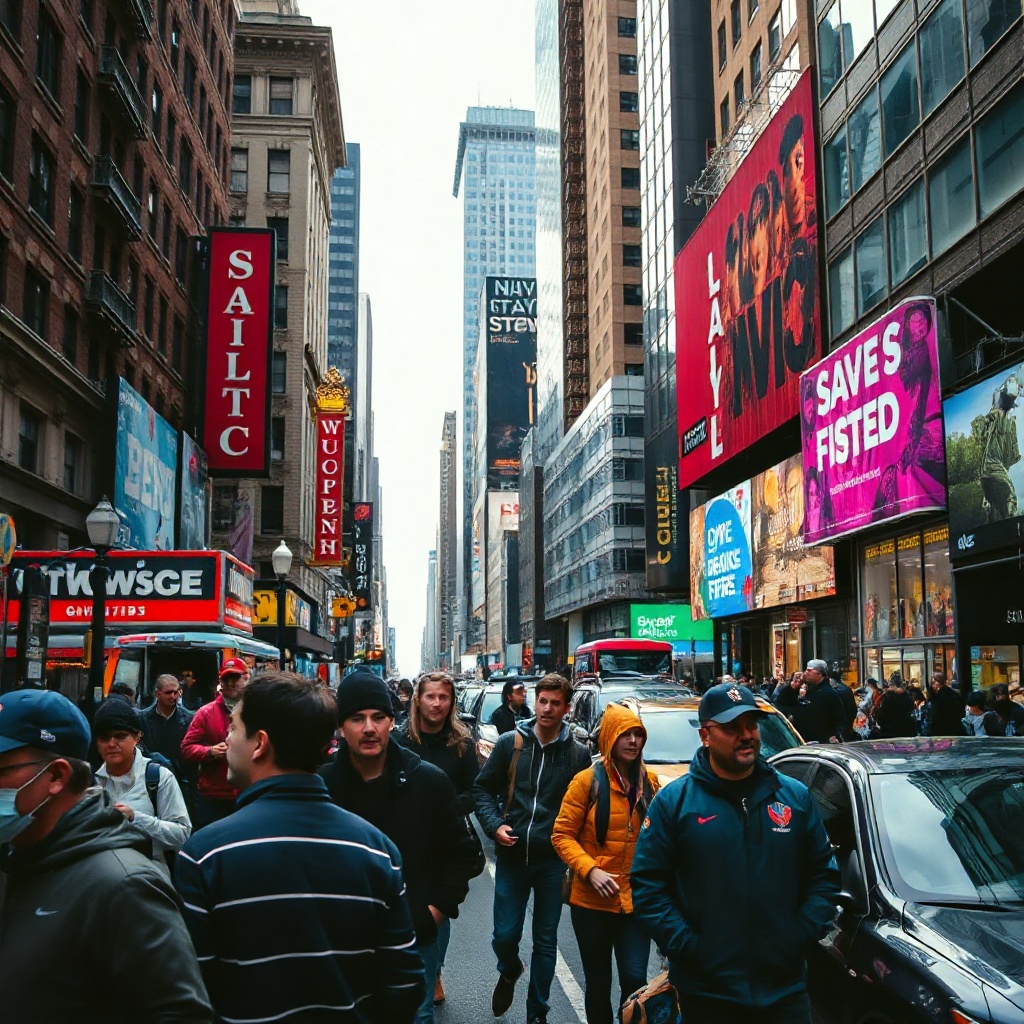
What makes NYC culture distinct is its neighborhood-level intensity.
Each borough offers its own flavor: Queens is one of the most diverse places on earth for food and festivals, Brooklyn pulses with independent art spaces and music venues, Manhattan concentrates landmark theaters and museums, the Bronx preserves resilient community traditions and culinary gems, and Staten Island blends waterfront history with unexpected local arts. Exploring neighborhoods—walking, taking a short train ride, or following a bus route—remains the best way to see how cultural life actually functions day to day.
Food and ritual are core cultural touchpoints.
Street vendors and bodegas keep a practical pulse on the city: coffee-to-go, slices of pizza, dumplings, and quick bites serve as everyday rites. At the same time, neighborhood restaurants and markets showcase culinary migrations—regional American comfort food, Caribbean flavors, South Asian street eats, Andean specialties, and pan-Asian innovations coexist within blocks. Seasonal street fairs, farmers markets, and late-night counters create social spaces where community and cuisine mix.
Performance culture is broad and democratic. Major theaters anchor the conventional scene, but off-Broadway and intimate performance spaces are where new work often breaks. Comedy clubs, jazz rooms, and improvisational theaters offer continuous discovery, while clubs and public plazas host music ranging from brass bands to electronic DJs. Immersive and site-specific performances have become a staple of the cultural ecosystem—artists use nontraditional venues to engage audiences in new ways, blurring the line between spectator and participant.
Visual art spills into public spaces. Murals transform streetscapes in neighborhoods across the city, while pop-up galleries and artist-run studios in industrial pockets keep the scene experimental. Major museums remain cultural anchors, but public art, curated installations on plazas and building façades, and frequent gallery nights make contemporary art accessible and immediate.
Public spaces and parks are cultural arenas. Parks host free concerts, outdoor cinema nights, and dance lessons; waterfront esplanades are stages for play and contemplation. The High Line and similar elevated promenades turned transit relics into arboreal galleries and gathering places, proving that civic design can be cultural programming.
Access and discovery are easier than ever.
Contactless transit, neighborhood event listings, local newsletters, and social platforms help people track openings, pop-ups, and small-scale events that might otherwise fly under the radar. For those who want a curated experience, small cultural organizations and local papers often publish weekly picks focused on specific boroughs or genres.
To experience the city’s cultural richness: leave the major tourist corridors, follow neighborhood calendars, try foods from at least three different communities in a single day, and attend one small show or gallery opening.
Conversation in cafes and on stoops still fuels creative projects; the best cultural moments often happen when strangers swap recommendations and something unexpected occurs.
New York City culture resists being static. It evolves through migration, economic shifts, and imagination—always layered, often contradictory, and reliably alive for anyone willing to look, listen, and taste their way through the city.