NYC Food Halls and Night Markets: Where Neighborhood Dining Comes Alive
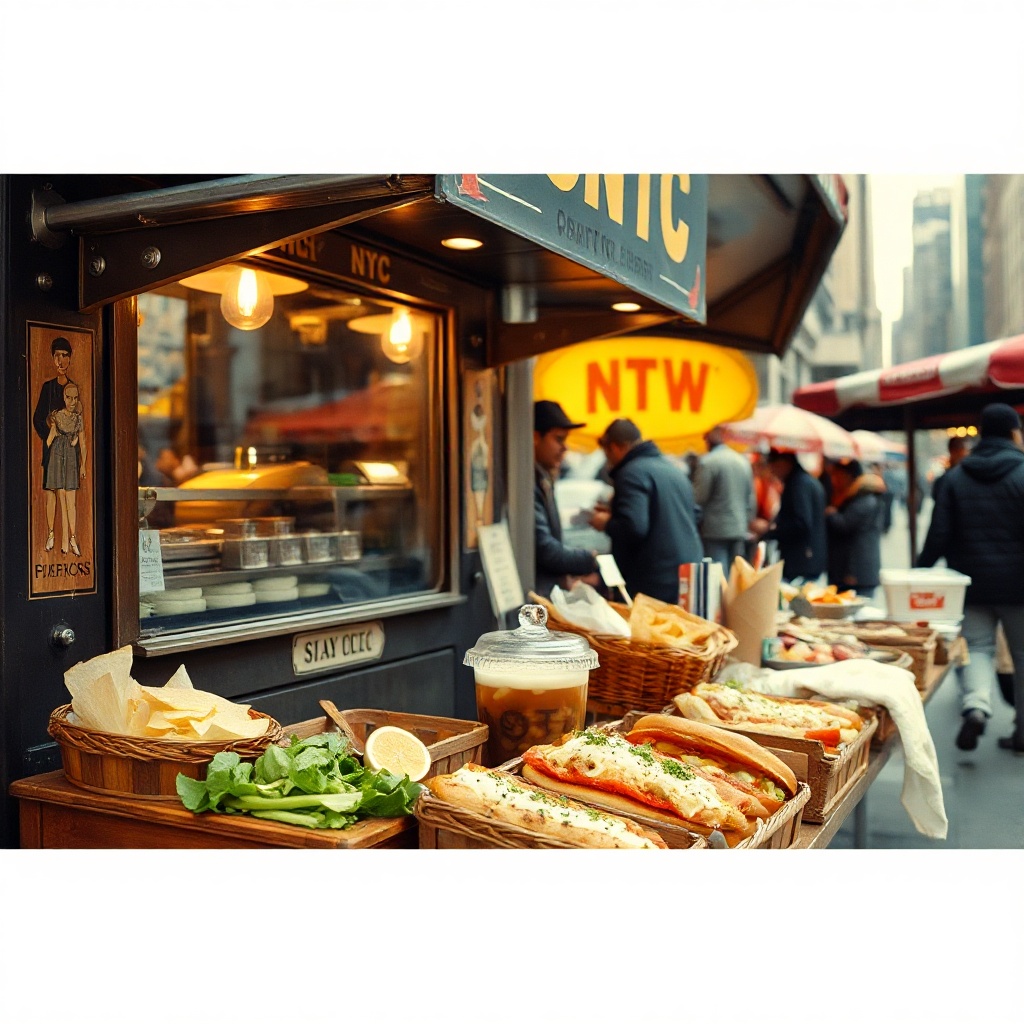
The city’s food scene keeps evolving, and one of the most exciting shifts is the reinvention of food halls and night markets. These communal culinary hubs mix chef-driven concepts, neighborhood staples, global street food, and seasonal pop-ups—making them ideal spots for adventurous eating, casual meetings, and group outings.
Why food halls and night markets matter
Food halls condense the diversity of New York dining into one social space. They offer access to small operators who might not yet have a standalone restaurant, letting chefs test ideas and diners sample multiple cuisines in one visit. Night markets add another layer: late hours, live music, and rotating vendors create an energetic scene that feels equal parts festival and neighborhood hangout.
What to expect
– Variety: Expect everything from elevated street tacos and hand-stretched noodles to plant-based comfort food and artisanal desserts. Many halls feature a few standout anchors alongside rotating stalls.
– Atmosphere: Communal seating, lively conversation, and music are common. Some halls prioritize quiet dining and chef-driven tasting counters, while night markets emphasize movement, discovery, and socializing.
– Accessibility: Most venues accept cards, have allergy and dietary labels, and highlight sustainable practices. Look for clearly marked vegetarian, vegan, and gluten-free options if you have restrictions.
How to make the most of your visit
– Come early or late: Peak times are busy.
Arriving during off-peak hours gives you more time to explore without lines.
– Sample strategically: Start with small plates from two or three vendors to get a broad taste. Share with companions so everyone can try more.
– Follow social channels: Many vendors announce pop-ups, limited dishes, and special events on social media. Following favorite stalls helps you catch one-off creations or collaborations.
– Respect the system: If there’s a ticketing or ordering app, use it—many halls streamline ordering to cut wait times. Return trays and sort waste into compost/recycling bins when provided.
Sustainability and local sourcing
Sustainability is more than a buzzword here.
Vendors increasingly use local produce, compostable packaging, and nose-to-tail cooking to reduce waste. Some food halls partner with community organizations to redistribute surplus food, and many stall operators source from nearby farms and makers to support local economies.
Great picks for different moods
– Casual group outing: Look for halls with long communal tables and a wide vendor mix; the energy is ideal for groups who want variety.
– Date night: Seek halls with intimate chef counters or sections that offer craft cocktails and quieter seating.
– Solo exploring: Night markets and larger halls are great for solo diners who like to move from stall to stall and meet new people.
The broader impact
Food halls and night markets are shaping neighborhood identity. They revive underused retail spaces, offer career pathways for chefs and entrepreneurs, and create public hubs that blend dining with culture and commerce.
Whether you’re chasing the latest viral dish or simply want a lively, low-commitment meal, these spaces capture the adventurous spirit of the city’s dining scene.
Plan your visit with a flexible appetite and an open mind—you’re likely to discover a new favorite vendor and leave with a few excellent snack recommendations to share.