Choosing the Right New York Neighborhood: A Practical Guide
Picking the right New York neighborhood is more than finding an apartment — it’s choosing a lifestyle. With diverse boroughs, competing transit lines, and micro-communities around every corner, a smart neighborhood choice balances practical needs with the vibe you want to wake up to.
Transit and commute
Transit access is a top priority. Look for neighborhoods with multiple subway lines, express buses, or nearby commuter rail if you commute outside the city. Proximity to transit not only shortens daily travel time but tends to hold property values and rental demand steady. If you bike, check for protected lanes and Citi Bike hubs. For drivers, consider congestion, parking rules, and access to major bridges or tunnels.
Walkability and everyday essentials
Walkability determines how often you’ll need a car. Neighborhoods with grocery stores, coffee shops, pharmacies, and laundromats within a few blocks make daily life easier. Use walk score tools and spend time walking the blocks at different times of day to see how comfortable the sidewalks and crossings feel.
Green space and recreation
Access to parks, waterfronts, or community gardens contributes heavily to quality of life. Whether you prefer large parks for weekend runs or small pockets for a midday break, prioritize neighborhoods that match your recreation habits.
Waterfront neighborhoods often offer scenic running routes and sunset views; inner-city areas can surprise with well-run community gardens and pocket parks.
Housing type and affordability
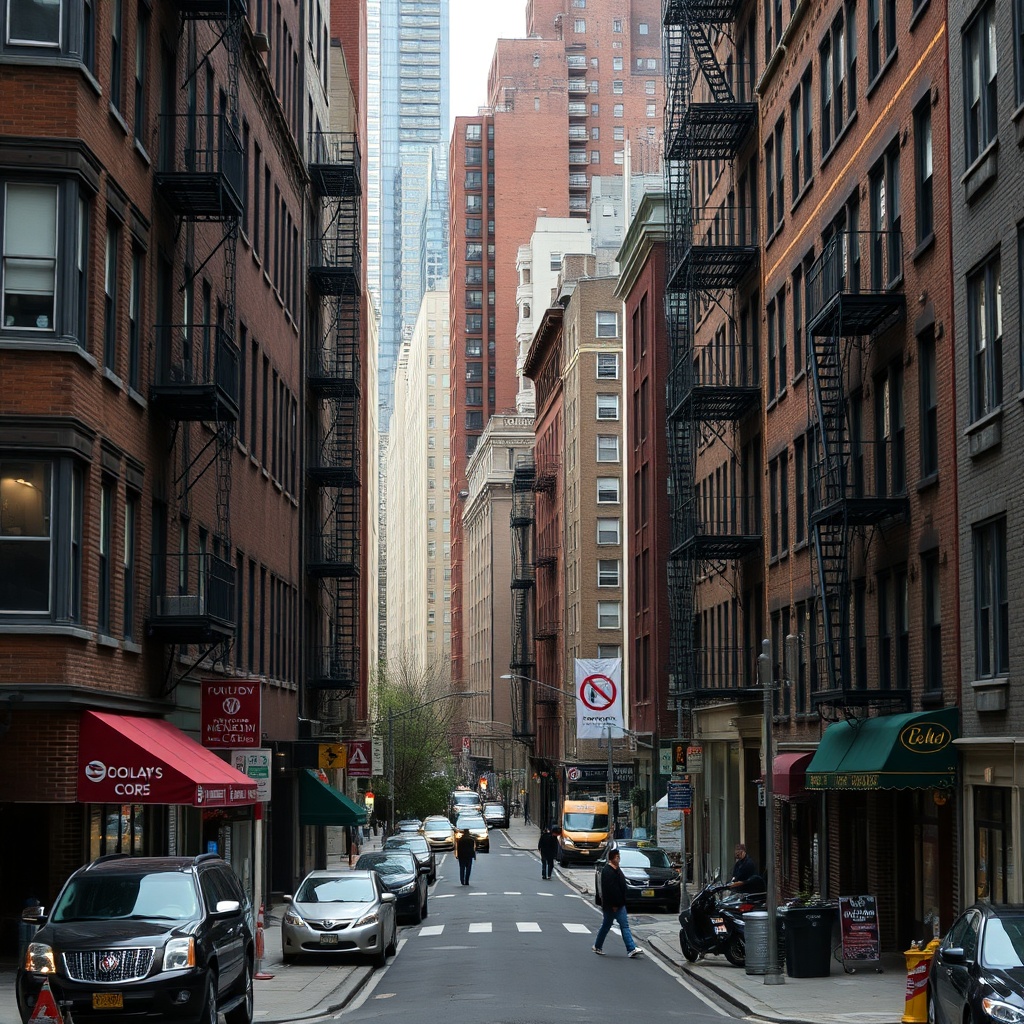
New York neighborhoods present a range from prewar walk-ups to luxury tower condos and brownstones.
Define your budget and whether you value space, amenities, or location most. Consider trade-offs: a smaller apartment in a well-connected neighborhood may outweigh a larger place with a longer commute. Watch for local incentives, affordable housing lotteries, and tenant protections that apply in different neighborhoods.
Community and culture
Culture is what turns a collection of streets into a neighborhood.
Explore local businesses, weekend markets, performance venues, and community centers.
Neighborhoods often build identities around food scenes, art spaces, or nightlife; spend time at coffee shops, galleries, and community meetings to sense whether a place feels welcoming and aligns with your interests.
Safety and services
Check crime trends and emergency service response times, but don’t rely solely on headline statistics. Visit at different hours and talk to residents about their experiences. Schools and healthcare access are critical if you have kids or specific medical needs; research public and private options nearby.
Development and future-proofing
Neighborhoods evolve. Recently, many areas have seen mixed-use development, improved public spaces, and upgraded transit amenities.
Consider the direction of local development: new retail can mean convenience, while large construction projects sometimes mean noise and changing neighborhood character. Zoning changes and local planning initiatives can indicate long-term trajectory.
Practical tips for deciding
– Spend multiple visits at different times to gauge noise, light, and crowd levels.
– Create a must-have list (transit time, green space, budget) and a nice-to-have list (rooftop access, nightlife).
– Talk to shop owners and neighbors to learn about daily life and any local concerns.
– Factor in hidden costs like utilities, move-in fees, and commuting expenses.
– If possible, try a short-term rental to get a real feel before committing long term.
Choosing where to live in New York is a personal mix of logistics and emotion. By prioritizing transit, walkability, green space, and community fit — and by doing boots-on-the-ground research — you’ll find a neighborhood that supports both your daily needs and the life you want to build.