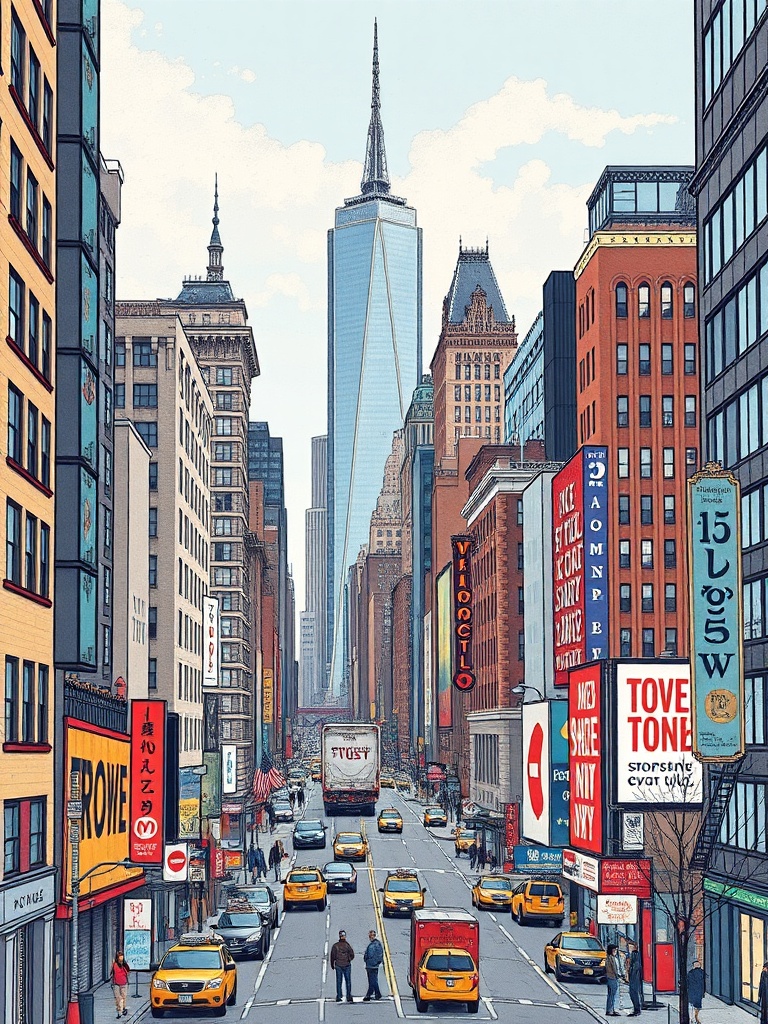
New York City’s neighborhoods keep reinventing themselves, creating a dynamic urban map that blends old and new. From adaptive reuse projects turning empty office floors into homes to a surge in mixed-use developments and public spaces, the city is balancing high-demand growth with neighborhood character.
For locals and visitors alike, this evolution offers fresh ways to live, work, and explore.
What’s changing on the ground
– Adaptive reuse: Vacant or underused commercial buildings are being repurposed into residential units, hotels, and cultural venues. These projects preserve historic facades while adding modern interiors, helping stabilize neighborhoods and increase housing options without changing street-level fabric.
– Mixed-use hubs: Retail, dining, coworking, and residential uses are combining under one roof in many parts of the city. This creates 24/7 vitality—streets feel safer and more active when there’s a steady mix of uses beyond traditional business hours.
– Public space expansion: Pedestrian plazas, open-air markets, and reclaimed waterfronts are becoming permanent features. These improvements encourage outdoor dining, pop-ups from small businesses, and community programming that draw neighbors and tourists alike.
– Small business resilience: Independent shops, restaurants, and creative studios are leveraging pop-ups, online ordering, and partnerships to adapt. Local producer markets and neighborhood collaboratives help smaller operators reach broader audiences.
Where to explore
– Waterfront paths and converted piers offer scenic walks and bike routes that connect diverse neighborhoods.
– Emerging commercial corridors often hide standout restaurants and boutiques; exploring side streets rather than only main avenues reveals local favorites.
– Neighborhood arts spaces and flea markets are reliable sources for unique finds and community events.
Transit and getting around
The subway and bus network remains the backbone for getting around, complemented by bike-share, ferries, and scooters in designated areas.
Contactless payment options and mobile trip planners make navigating faster and more convenient.
For last-mile trips, bike lanes and pedestrian plazas improve accessibility while reducing short-car trips in dense neighborhoods.
How to support local vitality
– Shop local: Even small, regular purchases at neighborhood businesses add up. Look for farmers’ markets, independent bookstores, and specialty grocers.
– Attend community events: Block fairs, pop-ups, and arts nights help sustain independent vendors and cultural programming.
– Use multimodal transit: Biking, walking, and transit use help reduce traffic stress in busy districts and support pedestrian-friendly planning.
What to watch for
Adaptive projects and new public spaces can change traffic patterns and parking availability, so checking neighborhood updates and transit advisories before heading out helps avoid surprises. Zoning adjustments and incentive programs may continue to shape development priorities, with a focus on balancing growth and neighborhood character.
New York’s appeal is its perpetual reinvention.
Whether seeking a weekend stroll along a revamped waterfront, discovering a new favorite restaurant in a revitalized corridor, or simply supporting the corner shop that anchors a block, there are always fresh ways to experience the city’s blend of history and forward motion.