New York City’s streets are changing — shifting from car-first corridors to vibrant public spaces that prioritize people, bikes, buses, and small businesses. That transformation is reshaping neighborhoods across the five boroughs, creating safer, greener, and more inviting streetscapes for residents and visitors alike.
Why streets are evolving
Growing interest in healthier, more walkable cities has pushed city agencies and community groups to reimagine curb space.
Pedestrian plazas, protected bike lanes, bus-priority corridors, and parklets have moved from pilot projects to staples of everyday urban life.
The goals are straightforward: reduce traffic injuries, improve transit reliability, support local commerce, and reclaim public space for social life.
What’s being implemented
– Pedestrian plazas: Former car lanes and wide intersections are now pockets of seating, plantings, and markets. These plazas extend sidewalk life, offer shade and seating, and provide places for neighborhood events and pop-up retail.
– Protected bike lanes: Separated lanes are replacing painted lanes in many corridors, making cycling safer and more appealing. Bike-share and e-bike networks complement this infrastructure, helping short trips avoid congestion.
– Bus prioritization and busways: Dedicated bus lanes and bus-priority signal timing reduce delays and speed up commutes for thousands of riders. Street redesigns often include curb extensions and bus bulbs for quicker boarding.
– Curb management: Curb space is being managed more dynamically — accommodating deliveries, ride-hailing, commercial loading, micromobility parking, and outdoor dining. Time-of-day rules and designated loading zones help ease conflicts between users.
– Open Streets and parklets: Weekend street closures, small public parks carved from parking spaces, and sidewalk expansions keep city life lively while supporting outdoor dining and retail activity.
Benefits for neighborhoods
Safer streets translate into fewer severe traffic injuries and a more pleasant environment for walking and cycling. Businesses along redesigned corridors often see increased foot traffic and longer customer dwell times.
Green elements like trees and permeable planters help mitigate urban heat and stormwater runoff while improving air quality. For communities, redesigned streets can foster local identity and provide civic space for cultural programming.
Common questions from New Yorkers
– Will these changes increase traffic? While redistributing traffic can lead to localized shifts, busways and better transit often reduce single-occupant vehicle trips over time. Many corridors experience smoother flows and shorter travel times after redesigns.
– How are deliveries handled? Curb management strategies — including dedicated loading zones and time-restricted delivery windows — balance commercial needs with public space goals.
– Are these changes permanent? Many projects start as pilots that are refined based on community feedback and performance data, with durable improvements installed once benefits are clear.
How to make the most of it
Explore a pedestrian plaza on foot, take a short trip by bike-share, or choose a bus-priority corridor for a faster transit ride.
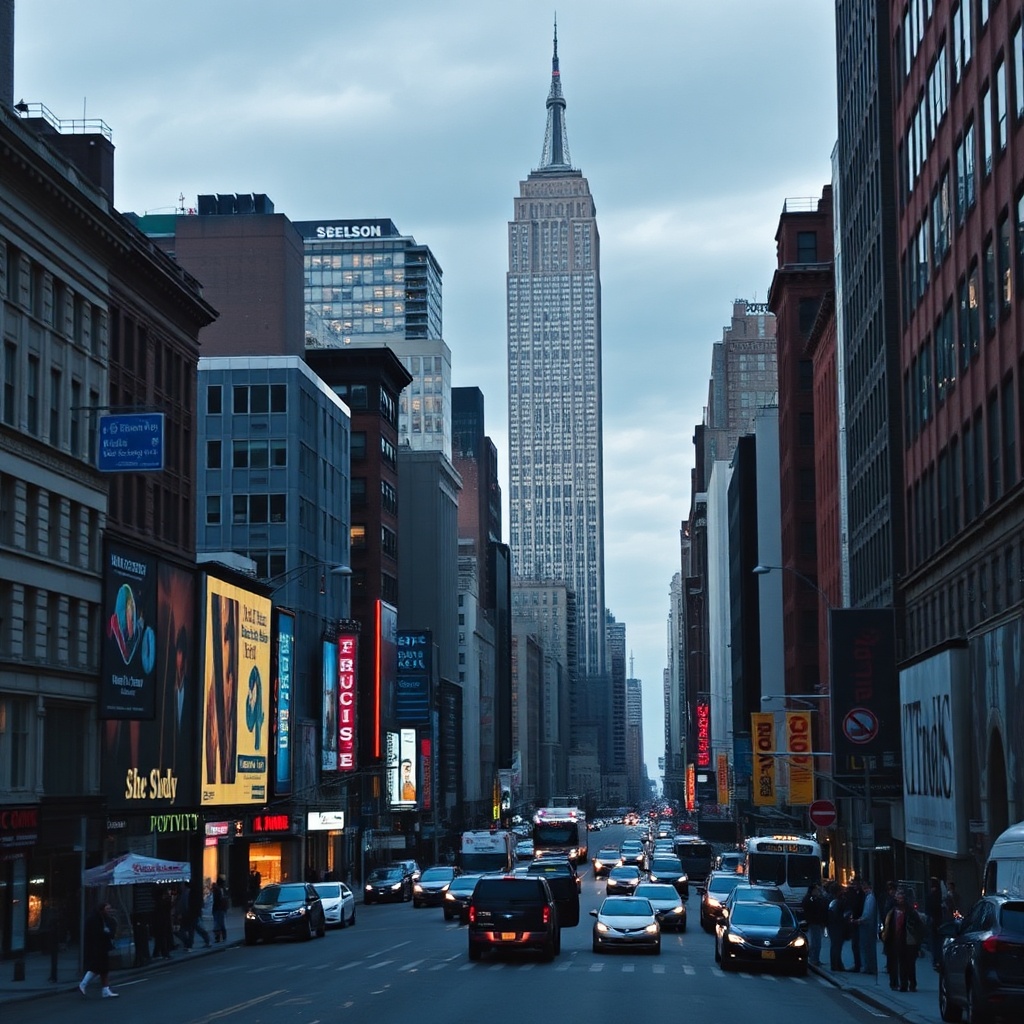
Check local signage for curb rules and delivery windows, and support nearby small businesses that make these spaces lively. Neighborhood meetings and community boards remain influential — participating helps shape how streets evolve to meet local priorities.
New York’s streets are becoming multi-use public assets rather than just thoroughfares. As these changes continue, they promise safer travel, stronger local economies, and more resilient neighborhoods — making the city easier to move through and more enjoyable to live in.