Manhattan Guide: How to Experience the Island Like a Local
Manhattan remains one of the most walkable, vibrant urban centers in the world.
Whether you’re visiting for a few days or living here, the borough rewards curiosity: iconic landmarks, pocket parks, world-class museums, and a food scene that shifts as quickly as the subway timetable.
This guide highlights practical ways to experience Manhattan beyond the usual photo ops.
Move around smart
The subway is the fastest way to cover long distances; buses are convenient for crosstown travel. Ferries connect Manhattan to waterfront neighborhoods and offer scenic, traffic-free commutes.
Bike-share programs and protected bike lanes make cycling a real option for short hops and riverfront rides. For evenings or early-morning trips, rideshares and taxis bridge gaps where transit is sparse.
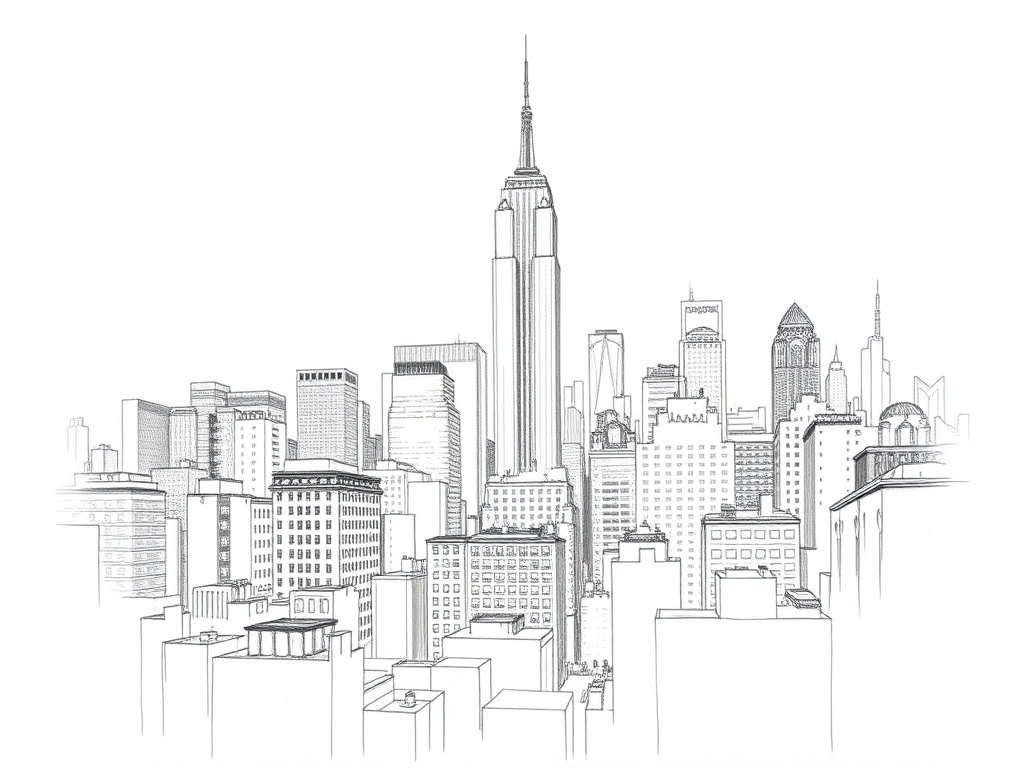
Neighborhoods worth lingering in
– Lower Manhattan: Financial District and Battery Park combine history and waterfront views; walk the esplanade to see the harbor from a different angle.
– Greenwich Village and West Village: Tree-lined streets, independent bookstores, and a strong café culture make this area ideal for slow wandering.
– Chelsea and the Meatpacking District: Galleries, the elevated greenway, and a lively food scene.
– Midtown and the Theater District: High-energy with endless dining and entertainment choices—best experienced when you venture into side streets to avoid crowds.
– Upper East and Upper West Sides: Museum-rich stretches and quieter residential blocks perfect for families.
– Harlem and Washington Heights: Rich cultural heritage, live music, and soul food alongside growing culinary innovation.
Green spaces and waterfronts
Central Park is a must, but Manhattan’s smaller parks offer big rewards: Bryant Park’s free programming, Madison Square Park’s rotating art and food kiosks, and Battery Park’s harbor views. The High Line’s elevated gardens offer a unique perspective on the West Side, while waterfront esplanades along the Hudson and East Rivers are ideal for sunset strolls, running, or watching freighters glide by.
Culture, museums, and nightlife
Museums range from blockbuster institutions to niche galleries. Many venues maintain late hours on select nights, making it possible to pair a museum visit with dinner or a show. Theater, jazz clubs, and intimate music venues keep performance culture thriving. For nightlife, rooftop bars and speakeasy-style cocktail lounges provide diverse atmospheres; reservations are often recommended on busy weekends.
Eat like a local
Manhattan’s culinary scene blends old-school delis and bakeries with inventive restaurants and global street food. Look for neighborhood favorites—family-run spots, bakeries with lines that are worth it, and food halls that let groups sample multiple cuisines. Brunch culture is still strong, but weekday lunches often reveal the most interesting, affordable finds.
Practical tips
– Avoid peak tourist spots during rush hours if you prefer quieter experiences.
– Carry a MetroCard or use the contactless payment options accepted across transit.
– Wear comfortable walking shoes; cobblestones and long blocks can be deceptive.
– Check accessibility info in advance; many attractions and transit stations have improved access, but gaps remain.
– Keep an eye on weather forecasts—waterfront winds and sudden storms can shift outdoor plans.
Hidden gems and local rhythms
Seek out community gardens, neighborhood markets, and independent bookstores for a more intimate feel. Pop-up events and seasonal markets often bring fresh energy to public spaces, while walking a few blocks off the main avenues tends to reveal the city’s best surprises.
Manhattan offers a blend of energy and neighborhood intimacy that rewards repeat visits.
The best approach is to pick one or two areas per day, explore on foot, and let meals and chance encounters set the pace.