Manhattan’s waterfront is evolving into one of the city’s most dynamic public spaces — a blend of recreation, climate resilience, and improved access that’s reshaping how residents and visitors experience the island.
What was once primarily industrial shoreline is now a continuous ribbon of parks, esplanades, and protection measures designed to withstand storms while inviting everyday use.
Why the waterfront matters
Shorelines are where urban life meets natural systems.
Manhattan’s waterfront offers sweeping skyline views, cooler summer air, and a corridor for walking, running, biking, and commuting by ferry.
At the same time, rising waters and stronger storms have pushed planners to prioritize projects that reduce flood risk while maintaining — or enhancing — public access.
Key elements of the transformation
– Continuous public access: Long stretches of previously inaccessible waterfront have been opened as parks or esplanades, creating new walking routes from the tip of the island northward and along both river edges. These connections encourage active, car-free exploration and link neighborhoods with cultural and commercial hubs.
– Multi-use design: New waterfront spaces combine recreation with resilience. Berms, raised promenades, and floodwalls often double as seating, performance stages, playgrounds, or landscaped terraces. The result feels less like infrastructure and more like public amenity.
– Ecological features: Living shorelines, native plantings, and salt-tolerant landscapes are being used to absorb storm surge energy, support biodiversity, and create habitats for birds and pollinators. Rain gardens and permeable paving help manage runoff and reduce pressure on sewer systems.
– Transit integration: Ferries and bike lanes make the waterfront a practical movement corridor as well as a destination. Bike-share stations, protected lanes, and improved pedestrian crossings make it easier to move along the river without a car.
Highlights to explore
– Elevated green spaces: Elevated parks provide unique vantage points and activate formerly industrial corridors with art, seating, and programming.
These areas are hubs for both quiet respite and lively community events.
– Esplanades and piers: Restored piers and continuous esplanades offer places to fish, picnic, and watch the sunset. Many piers now host seasonal markets, fitness classes, and cultural performances, keeping the waterfront lively year-round.
– Waterfront trails: Whether you’re running, walking the dog, or cycling, the trails along both rivers link neighborhoods in a way that feels distinctly urban and outdoorsy at once. They’re ideal for short outings or longer route-based exploration.
– Community stewardship: Local groups regularly organize cleanups, plantings, and volunteer programming, making these spaces not just managed by agencies but shaped by neighbors.
Tips for visiting the waterfront
– Plan for wind and sun: Open water can be breezy; layers and sun protection make outings more comfortable.
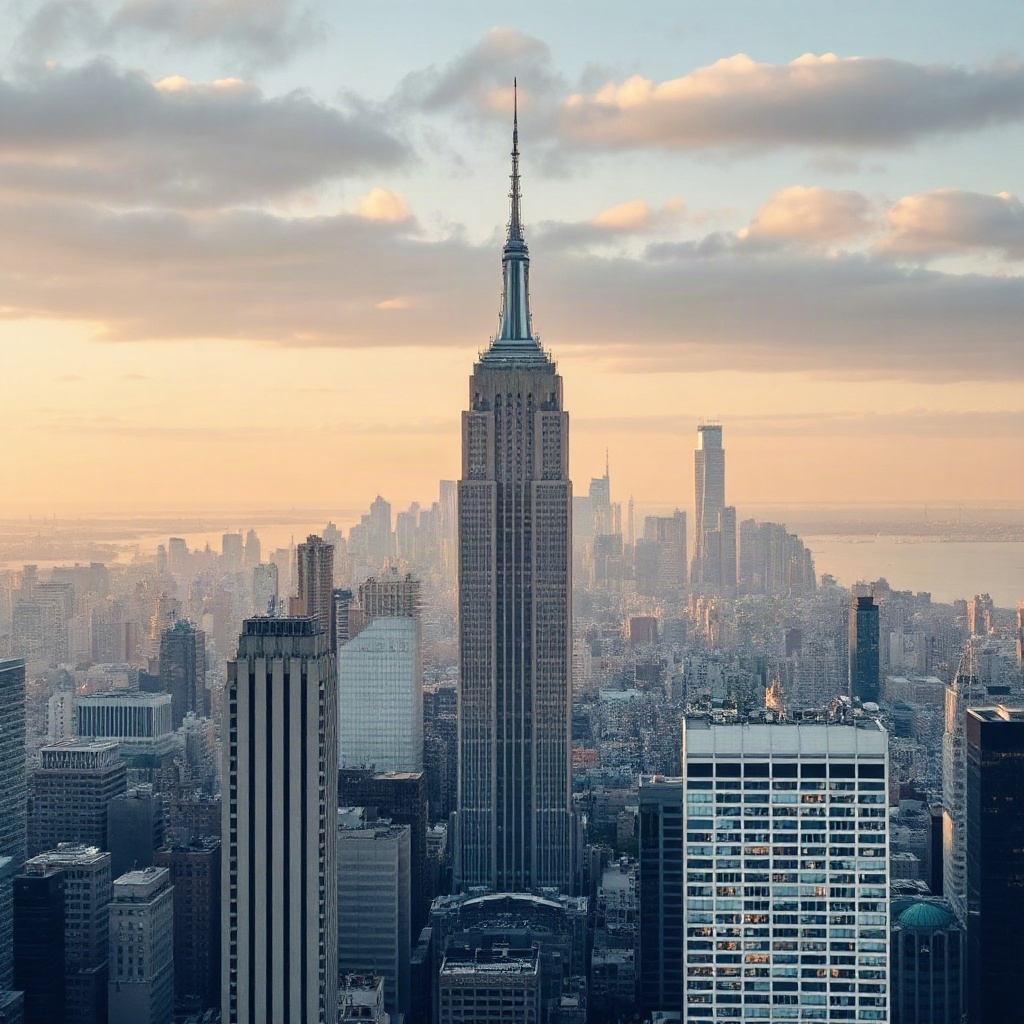
– Use multimodal options: Combine a ferry ride with a waterfront walk to see different sections efficiently and enjoy varied perspectives of the skyline.
– Check events calendars: Piers and parks often host free or low-cost programming that can turn a walk into a cultural experience.
– Respect ecological areas: Stay on paths in planted zones and follow posted guidelines to support restoration efforts.
Manhattan’s waterfront demonstrates how resilient infrastructure can enhance everyday life. With smart design, ecological sensitivity, and strong public access, the shoreline is becoming a model for urban waterfronts — a place where protection, recreation, and community converge.