New York City’s waterfronts are among the city’s most accessible and constantly evolving public spaces. From the wide promenades of the Hudson to the green lawns of Brooklyn Bridge Park, the shoreline offers easy ways to relax, exercise, dine, and take in iconic skyline views without spending a dime.
Where to go
– Hudson River Park: Stretching along Manhattan’s west side, this linear park is perfect for biking, running, and sunset watching. Its piers host everything from sports courts to performance spaces, with grassy knolls and benches for picnics.
– Brooklyn Bridge Park: With sweeping views of Lower Manhattan and the Brooklyn Bridge, this park combines playgrounds, lawns, and waterfront piers. It’s popular for family outings, small concerts, and waterfront dining.
– East River Promenades: The East River features quieter stretches with piers and esplanades in neighborhoods like the Lower East Side and Long Island City. These spots often offer calmer waters and unique skyline perspectives.
– Staten Island Ferry: A free ride with one of the best views of the Statue of Liberty and the harbor—ideal for a quick, budget-friendly outing that doubles as an impromptu sightseeing cruise.
– Governors Island and Pier 25: Short ferry rides bring you to car-free islands and piers with open lawns, seasonal food vendors, pop-up activities, and historic sites.
What to do
– Walk, jog, or cycle: Dedicated bike lanes and wide promenades make the waterfront a safe place for cyclists and runners.
Dockless bike and scooter services, plus the city bike-share system, make non-car transit easy.
– Kayaking and boating: Free and low-cost kayaking programs operate from several boathouses along the Hudson and East River. For a different pace, consider a small-group sailing or sightseeing tour from one of the piers.
– Picnics and people-watching: Pack a blanket and some takeout from nearby markets or food trucks. Waterfront lawns often have spectacular views for sunset dinners.
– Events and public programming: Outdoor movie nights, fitness classes, and artisanal markets populate many piers.
Check park websites or local listings for schedules and any required reservations.
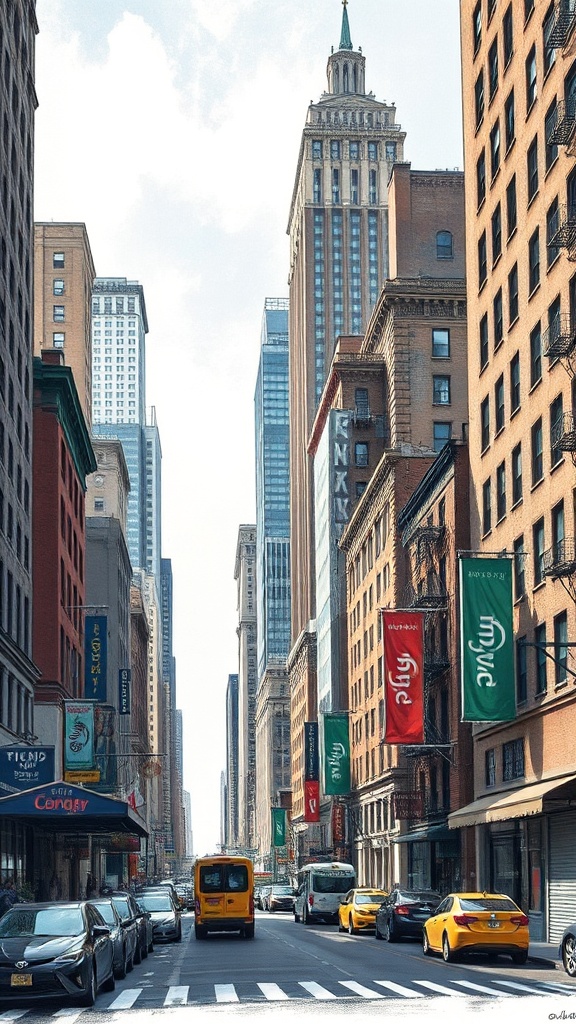
– Photography and architecture spotting: The interplay of water, bridges, and modern shoreline development creates endless photo opportunities. Sunrise and blue-hour shots are particularly rewarding.
Practical tips
– Transit first: Many piers are best reached by subway or ferry—parking can be limited. Plan your trip using real-time transit apps to avoid long waits.
– Pack layers: Waterfronts can be breezier than inland neighborhoods; a light jacket is often necessary after sunset.
– Bring water and sun protection: Shade can be limited on open piers. Reusable water bottles and sunscreen make long visits more comfortable.
– Check accessibility: Most major piers and parks have ADA-compliant paths and restrooms, but specific access can vary—look up accessibility maps before visiting.
– Keep safety in mind: Stay alert near water edges, follow posted rules, and be mindful of changing weather conditions.
Why it matters
Waterfronts are public gathering places that blend recreation, culture, and ecology. They expand green space, support local businesses, and give residents and visitors alike a front-row seat to the city’s defining skyline. Whether you’re seeking a low-key afternoon, an active outing, or a romantic evening, New York’s waterfronts offer a versatile, scenic backdrop that’s easy to enjoy any day.