Explore NYC’s Waterfronts: Best Parks, Ferries, and Local Tips
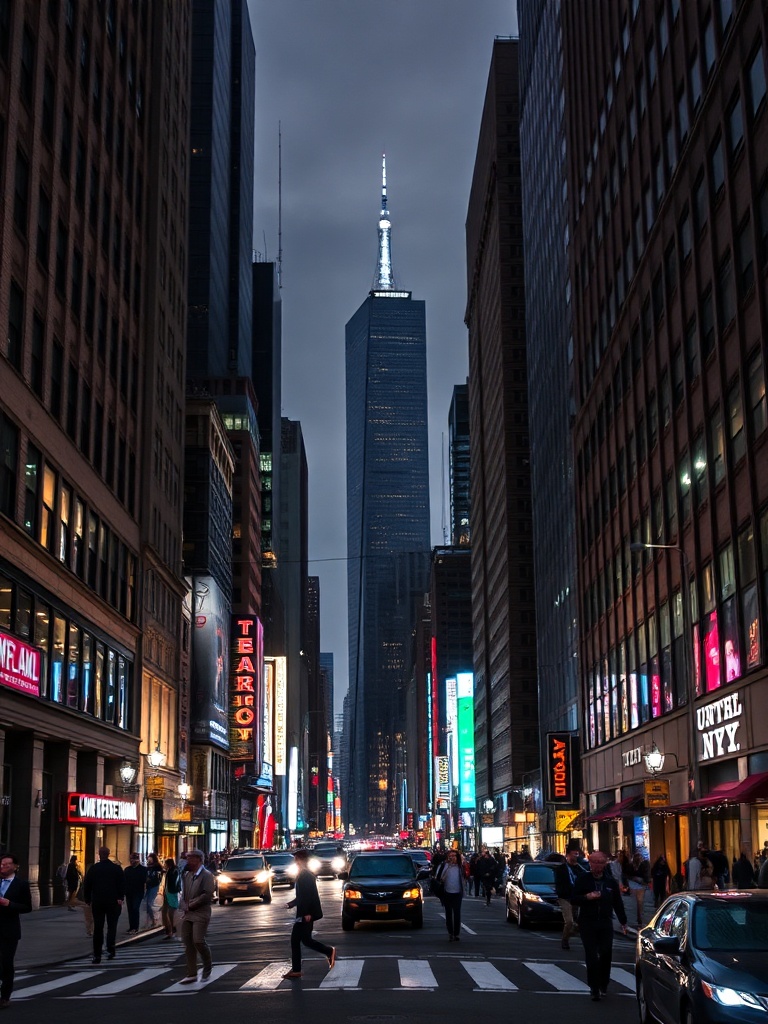
New York City’s waterfronts are vibrant corridors of green space, culture, and movement—where river views meet creative programming, neighborhood life, and thoughtful climate upgrades.
Whether you’re a visitor or a local looking for new ways to enjoy the city, the waterfront offers accessible adventure, memorable sunsets, and plenty of food-and-fun options.
Where to go: standout waterfront parks
– Hudson River Park and the Hudson River Greenway: Stretching along Manhattan’s west side, this continuous ribbon is ideal for walking, running, cycling, and waterfront recreation. Look for piers that host seasonal markets, outdoor fitness classes, and rotating public art.
– Brooklyn Bridge Park: Iconic skyline views and varied lawns make this park a top choice for picnics and kite flying. Pier walkways, playgrounds, and volleyball courts keep things lively year-round.
– Domino Park and Hunters Point South Park: On the Queens side, these parks blend industrial heritage with modern design. Domino Park’s elevated boardwalk and waterfront seating are prime for photos and relaxed afternoons.
– Little Island and Pier 45: Cutting-edge landscape design and amphitheater programming make these piers great for performances and people-watching. Smaller piers often provide quiet spots for reading or sketching.
– Governors Island: A short ferry ride transports you to expansive lawns, bike paths, and seasonal events—perfect for a day trip away from the city’s bustle.
Getting there and getting around
– NYC Ferry: Ferries connect Manhattan, Brooklyn, Queens, the Bronx, and waterfront islands. They’re a scenic commute alternative and a flexible way to reach parks and neighborhoods with great views of the skyline. Download the official app for schedules and e-tickets.
– Citi Bike and bike lanes: Many waterfronts are bike-friendly and connected by protected lanes. Rent a bike for a long ride along the Greenway or combine biking with a ferry trip.
– Public transit and walking: Subway and bus lines serve most waterfront neighborhoods; plan a route that pairs transit with a short walk to the water for the best experience.
Food, events, and nightlife
Food trucks, casual seafood spots, rooftop bars, and seasonal pop-ups populate waterfront neighborhoods. Look for local markets and waterfront restaurants that emphasize sustainability and local sourcing. Many piers host music, outdoor cinema, fitness classes, and family-friendly festivals—check neighborhood calendars for listings.
Practical tips for a better visit
– Timing: Early mornings and weekdays are quieter. Evenings bring dramatic light for photographers and skyline views. Weekends can be lively—arrive early for popular spots.
– Seating and shade: Bring a blanket or look for shaded seating areas; not every pier has full amenities.
– Pet rules and accessibility: Check park signage for dog policies and ADA access. Many parks provide ramps and accessible restrooms, but facilities vary by location.
– Weather and resiliency: Waterfronts can be windy and subject to high tides on stormy days. Stay aware of local advisories; many parks now include flood-resilient design elements to protect amenities and habitats.
Why the waterfront matters
Waterfronts are more than scenic backdrops—they’re community connectors, climate-forward landscapes, and economic engines. Ongoing investment in parks, ferry service, and shoreline resilience helps ensure these spaces remain welcoming and usable for diverse neighborhoods.
Whether you’re chasing a sunset, planning a picnic, or hopping between piers by ferry, NYC’s waterfronts offer a blend of recreation, culture, and urban nature—always worth exploring one shoreline at a time.