Exploring NYC’s Reimagined Waterfront: Parks, Ferries, and Outdoor Life
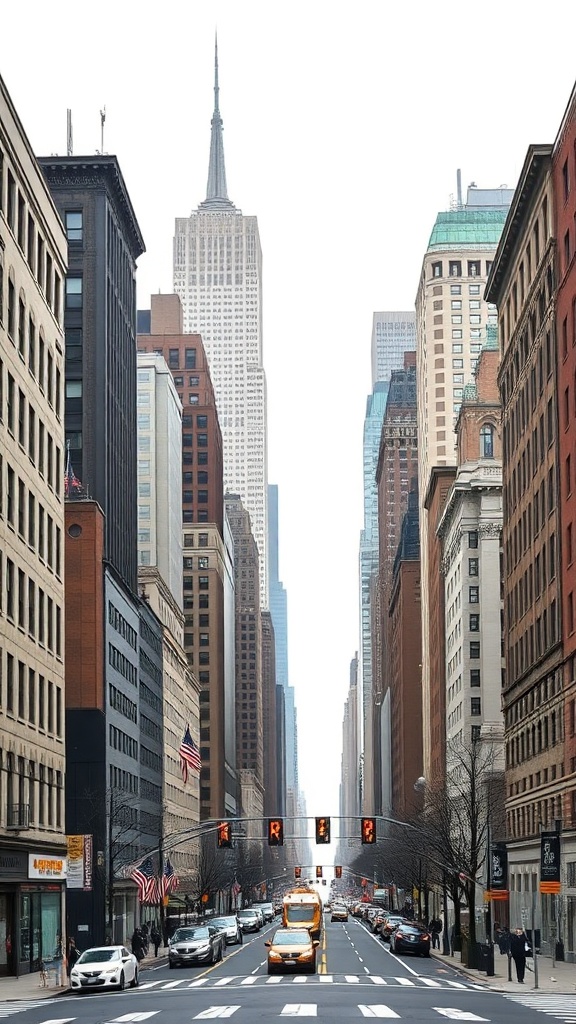
New York City’s waterfront has been transformed into one of the city’s most vibrant public assets, blending recreation, culture, and climate resilience.
From elevated promenades to restored piers and seasonal ferry routes, the shoreline invites locals and visitors to experience the city beyond its streets and skyscrapers.
Why the waterfront matters
Waterfront projects prioritize public access and ecological improvement.
Park designs now often include native plantings that support biodiversity, paths that double as flood protection, and gathering spaces for performances and markets. These spaces are valuable not just for leisure but for neighborhood connectivity and environmental adaptation.
Must-visit waterfront spots
– Hudson River Park: Stretching along Manhattan’s west side, this linear park offers jogging paths, soccer fields, playgrounds, and serene sunset views. Pier areas host seasonal activities and casual dining options.
– Brooklyn Bridge Park: Known for sweeping skyline vistas, this park includes lawns, sports courts, a rolling carousel, and family-friendly programs. It’s a great picnic spot with easy access from DUMBO and Brooklyn Heights.
– The High Line: Elevated above the Meatpacking District, the High Line combines art installations with curated plantings and unique vantage points over the city and river.
– East River Greenway and East River Park: Offering leisure paths with skyline views, these areas are increasingly used for biking and riverfront strolls.
– Governors Island: A quick ferry ride from lower Manhattan, the island is a seasonal escape for bike rentals, public art, food vendors, and large open spaces ideal for kids and groups.
Outdoor activities to try
– Ferry hopping: The city’s ferry network turns commuting routes into scenic excursions. Harbor views, easy transfers, and waterfront landings make ferries an attractive option for sightseeing or neighborhood hopping.
– Biking and walking: Bike-share systems and continuous greenways make cycling a practical way to cover waterfront distances. Many parks permit rentals and guided bike tours.
– Paddling: Several boathouses offer kayaking and paddleboarding — often free or low-cost — giving paddlers a unique angle on the skyline from the water.
– Events and markets: Waterfront parks regularly host concerts, outdoor movie nights, art fairs, and farmers’ markets, creating lively community calendars throughout the warmer months.
Planning your visit
– Timing: Early mornings and late afternoons typically offer cooler temperatures and softer light for photos. Weekends are busiest; weekdays deliver calmer conditions.
– Transit: Most waterfront destinations are reachable by subway, bus, or ferry. Contactless payment options and bike-share stations are widely available. Consider combining a ferry trip with a short walk or bike ride to explore multiple neighborhoods.
– What to bring: Comfortable shoes, sun protection, a refillable water bottle, and a portable charger are essentials. If planning a picnic, check park rules about alcohol and grilling.
– Accessibility: Many waterfront parks prioritize universal access, with ramps, wide paths, and accessible bathrooms.
Check specific park maps and websites for details on mobility accommodations.
The waterfront offers a refreshing way to connect with New York City’s natural and cultural life. Whether seeking quiet green space, active recreation, or a new perspective on the skyline, the shoreline is an evolving playground that rewards exploration and repeat visits.