NYC Waterfronts: Parks, Ferries and the Best Ways to Explore the City by Water
New York City’s waterfront has shifted from industrial edge to a network of parks, piers and ferry routes that reshape how locals and visitors experience the city. Whether you want skyline views, recreational paths, or quick cross-river transit, the waterfront offers a mix of free and low-cost options that spotlight the city’s evolving public space.
Why visit the waterfront
Waterfronts deliver big-city drama with outdoor breathing room.
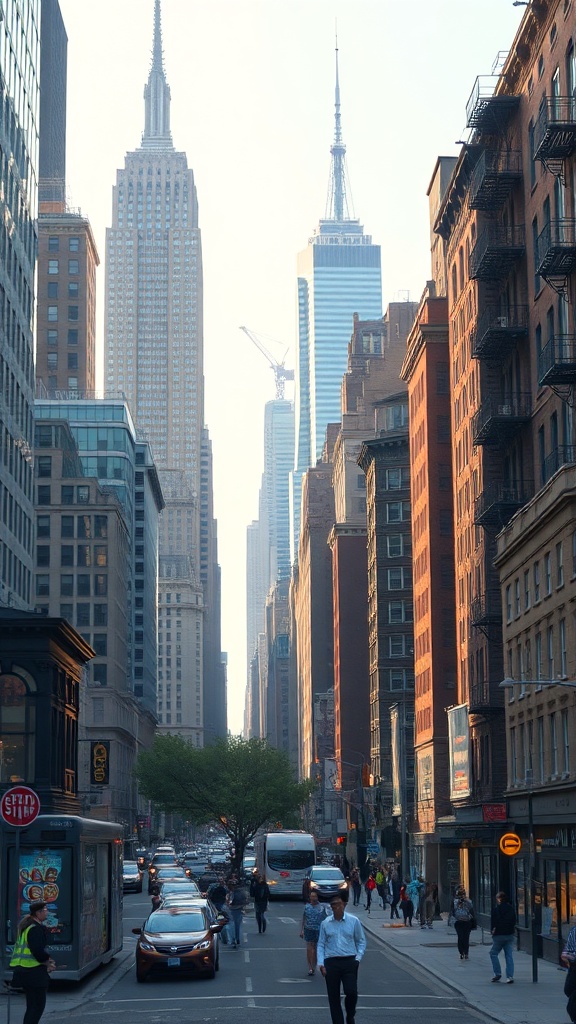
Wide promenades, lawns and piers provide vantage points for the skyline, river traffic and sunsets that are hard to beat. These spaces also host fitness classes, markets and pop-up performances that keep the urban experience fresh without the cost of indoor attractions.
Top spots worth visiting
– Brooklyn Bridge Park: Strolling the esplanade beneath the bridge gives classic views of Lower Manhattan. The park’s lawns, playgrounds and sports courts make it ideal for families and photographers alike.
– Hudson River Park: Stretching along Manhattan’s west side, this park links piers, bike paths and pierside recreation from the financial district up toward Midtown.
– Domino Park and Williamsburg waterfront: A vibrant stretch with industrial-chic design, waterfront seating and food options nearby — great for pairing a park visit with neighborhood dining.
– Gantry Plaza State Park: In Long Island City, this park offers framed views of Midtown and a quieter alternative to Manhattan crowds.
– Little Island: A distinctive floating park and performance space set on piers — a compact but memorable stop for art and views.
– Governors Island: A short ferry ride away, the island’s car-free landscape is a haven for picnics, bike rides and cultural events.
– Staten Island Ferry: Always free, the ferry is a no-cost way to see the harbor and Statue of Liberty without a formal ticket.
Getting around: ferries, bikes and walking
The ferry network now connects many waterfront neighborhoods, making cross-river trips practical and scenic. Ferry routes are reliable for commuting and sightseeing alike; download the official ferry app for schedules and alerts. For shorter distances, bike share programs and dedicated waterfront bike lanes make two-wheeled exploration efficient. Walking remains one of the best ways to soak in waterfront design details and spontaneous street life — plan routes that link piers and parks for continuous views.
Practical tips
– Check schedules: Ferry and park programming can vary by season and weather, so confirm times before heading out.
– Pack smart: Bring layers for wind and riverside breezes, plus sun protection for long afternoon strolls.
– Timing matters: Weekday mornings and early evenings offer calmer paths; weekend afternoons bring more activity and events.
– Eat local: Waterfront neighborhoods host food vendors, casual restaurants and markets — try smaller spots for quality bites and shorter lines.
– Safety and accessibility: Most waterfront parks are ADA-accessible, but check individual park maps for ramp locations and accessible restrooms.
Sustainable travel and community impact
The waterfront transformation has prioritized green design, public access and resilient infrastructure. Choosing ferries, biking or walking reduces emissions and supports a more livable urban fabric. When visiting, respect park rules, support local businesses and consider off-peak visits to avoid crowd pressure on popular piers.
Exploring the waterfront is an easy way to see a different side of the city — one where open space, movement and skyline views converge.
Whether you’re looking for a free outing, a scenic commute or a day of cultural activity, the waterfront offers flexible options that suit a range of interests.