How NYC Streets Are Being Reimagined — What Residents and Visitors Should Know
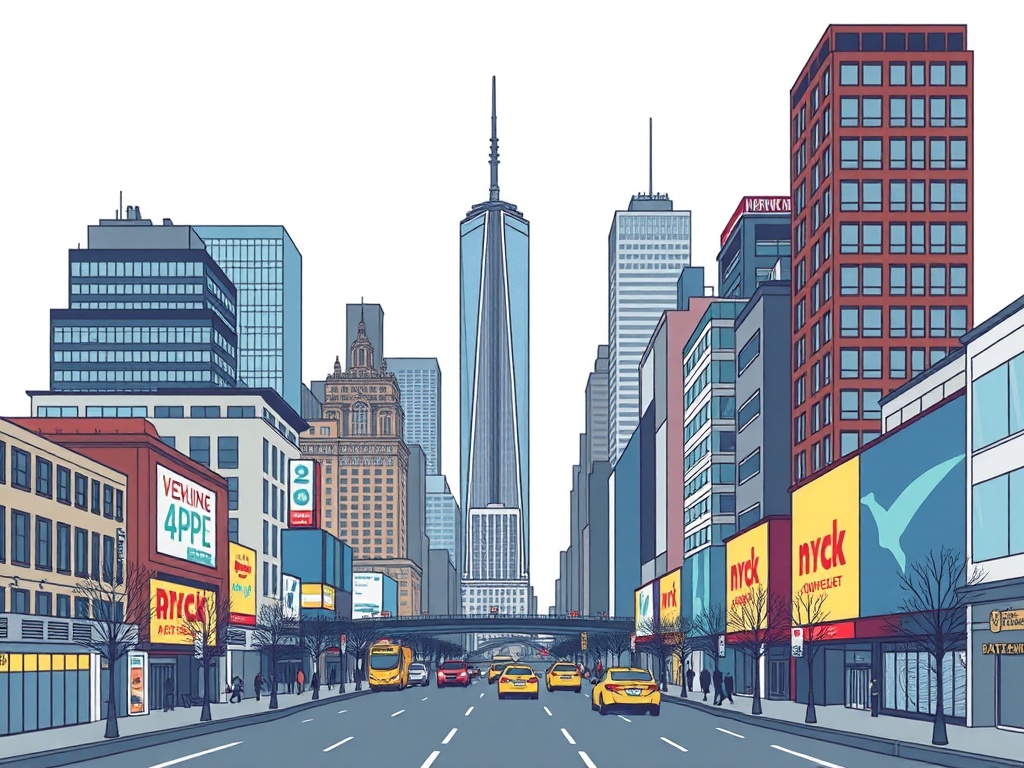
New York City streets are shifting from car-first corridors to flexible public spaces that prioritize people, bikes, and neighborhood life.
This change affects commuting, small business vitality, and daily routines — and anyone who lives in or visits the city benefits from understanding how to navigate and contribute to the new street landscape.
Why streets are changing
City agencies and community groups are prioritizing safety, climate resilience, and economic recovery. Initiatives that expanded sidewalks, created pedestrian plazas, and reclaimed curb space for outdoor dining have redefined how sidewalks and roadways are used.
At the same time, adding protected bike lanes and improving crosswalks helps reduce traffic injuries and encourages active transport.
What this means for getting around
– Walking: Pedestrian plazas and widened sidewalks make many neighborhoods more walkable. Take advantage of these routes for short trips and errands; they often offer quicker, less stressful alternatives to driving.
– Cycling: Protected lanes and bike-share systems make cycling an accessible option for many New Yorkers. Wear a helmet, obey traffic signals, use bike boxes at intersections when present, and be mindful of delivery vehicles and double-parked cars.
– Driving: Expect more curb regulations, including loading zones, short-term parking restrictions, and digital/paid curb management in busy corridors.
Allow extra time for drop-offs and pick-ups, and consider alternatives for short trips to avoid congestion.
– Public transit: Subways and buses remain fast ways to cross the city. Combine transit with walking or cycling for efficient door-to-door travel.
Curbside culture: outdoor dining, loading, and micromobility
Curb space has become a valuable and contested resource.
Outdoor dining supports local restaurants but can reduce parking and loading spots.
Micromobility — electric scooters and bike-share docks — often uses curb space, too. Check local signage, and use apps or municipal tools to find legal parking and loading zones.
If you run a business, communicate with customers about access and pickup options to keep service smooth.
Safety and etiquette
Shared streets require shared responsibility.
Pedestrians should stay aware of cyclists and delivery traffic in busy plazas. Cyclists must respect crosswalks, yield where required, and dismount when signage indicates. Drivers need to be extra vigilant in areas with high foot traffic, especially near schools and transit hubs.
Everyone should give way to people with mobility devices and parents with strollers.
How to get involved
Neighborhood changes often happen through community boards, local business improvement districts (BIDs), and public hearings hosted by the city DOT and other agencies. Attend meetings, comment on proposals, and join block associations to influence design decisions. Small adjustments — like advocating for bollards, benches, or better lighting — can dramatically improve safety and usability.
Design for climate resilience
Green infrastructure is being integrated into street improvements: rain gardens, tree pits, permeable pavements, and bioswales help manage stormwater while creating pleasant public space. Supporting tree planting campaigns and maintenance ensures neighborhoods stay cooler and more resilient during extreme weather.
Practical resources
Use official city websites and apps for real-time updates on street projects, transit advisories, and parking regulations. For service requests or to report issues, municipal hotlines and 311 remain primary channels to get problems logged and addressed.
As streets continue to evolve, staying informed and involved helps shape public space that works for everyone — safer, greener, and more vibrant neighborhoods where people want to linger, shop, and connect.