New York City Food: What to Try, Where to Go, and How to Eat Like a Local
New York City’s food scene keeps evolving while staying true to what makes it special: bold flavors, immigrant traditions, and a get-it-now attitude. Whether you’re craving a classic slice, a late-night halal combo, or cutting-edge plant-based cuisine, the city rewards curiosity.
Here’s a practical guide to navigating NYC food like someone who knows where to find the best bites.
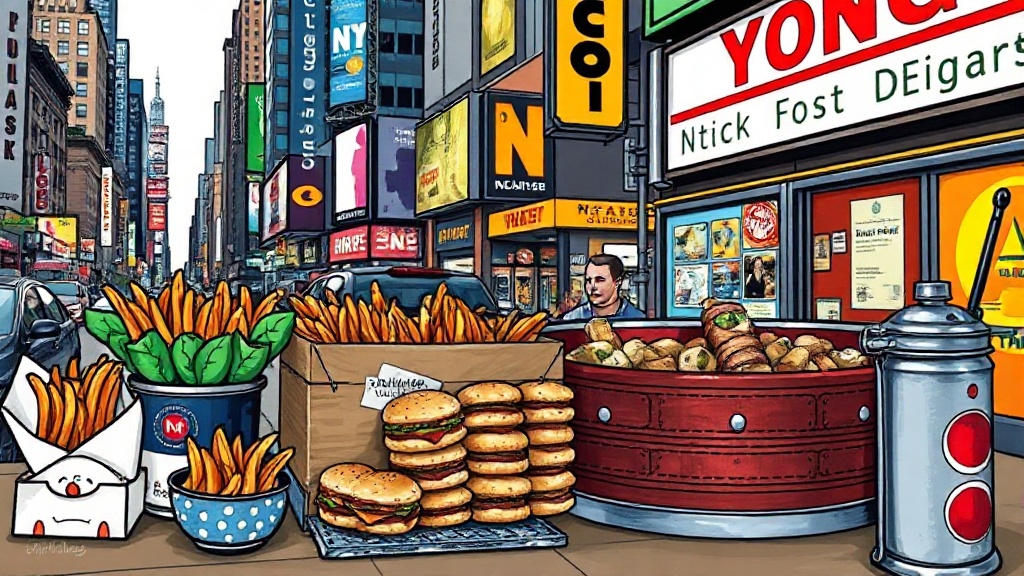
What to try first
– Pizza: Look beyond the famous names and follow local recommendations for neighborhood slices with a blistered crust and just-right chew. Thin, foldable New York-style slices coexist with Neapolitan pies and square, focaccia-like Sicilian trays.
– Street food: Food trucks and carts deliver high-quality, affordable meals. Classics like halal platters, falafel, and hot dogs sit alongside inventive tacos and fusion bowls.
– Ethnic enclaves: Chinatown, Koreatown, Jackson Heights, and similar neighborhoods are places to find authentic dumplings, barbecue, mom-and-pop bakeries, and regional specialties that travelers often miss.
– Plant-forward options: Expect sophisticated vegan and vegetarian menus—everything from smoky barbecue to elevated fine-dining tasting menus—made without sacrificing texture or umami.
– Desserts and coffee: Neighborhood bakeries and specialty coffee shops are a reliable way to experience local craft. Think flaky pastries, inventive ice creams, and single-origin espresso.
Neighborhoods worth exploring
– Lower Manhattan and East Village for late-night bites and cutting-edge small plates.
– Brooklyn neighborhoods for artisanal bakeries, innovative restaurants, and a strong café culture.
– Queens for genuine regional food from South Asia, Latin America, and Eastern Europe.
– Uptown and Harlem for soul food, brunches, and bakeries with generational recipes.
Where to find what’s new
– Food halls and markets are hubs for local chefs honing new concepts. They’re great for groups who want variety.
– Pop-ups and supper clubs offer limited-run menus and surprising collaborations—follow local food writers and neighborhood Instagram accounts to catch them.
– Neighborhood bulletin boards, community Telegram/Discord groups, and neighborhood-specific review pages often surface the best under-the-radar openings faster than national outlets.
Tips for dining smart
– Reservations: Use reservation apps for popular spots; smaller places often favor walk-ins.
– Pricing: Many casual meals remain affordable, but tasting menus and high-end restaurants can be expensive—check menus online before you go.
– Tipping and payment: Tipping around 18–20% for sit-down meals is common; many businesses accept contactless and card payments, but some small vendors still prefer cash.
– Timing: Arrive early for brunch and lunch in busy neighborhoods to avoid long waits. Late-night options are plentiful if your schedule is flexible.
– Dietary needs: Many kitchens are accommodating, but cross-contamination can be an issue—call ahead for strict allergies.
Sustainability and sourcing
Restaurants increasingly prioritize local sourcing, seasonal produce, and sustainable seafood. Look for menus that highlight farmers, foraged ingredients, and nose-to-tail preparations.
Supporting places that compost or use minimal packaging helps reduce food waste while enjoying great food.
Final note
Treat NYC like a tasting map rather than a checklist. One memorable meal might come from a tiny counter with a five-item menu rather than a famous hotspot. Walk, ask locals, and let curiosity lead—this is the best way to discover the city’s most delicious secrets.