New York City Food: Classics, Trends, and Where to Eat Now
New York City’s food landscape blends time-honored institutions with restless innovation. Classic bites coexist with experiment-driven kitchens, and the result is a culinary variety that rewards both first-time visitors and seasoned locals.
Whether hunting for a perfect slice, exploring neighborhood markets, or chasing the latest plant-forward trend, there’s something to discover on every block.
The essentials: pizza, bagels, delis, and street food
Some things define the city: thin, foldable slices from corner pizzerias, chewy bagels with dense crumb and glossy sheen, and delis offering house-smoked pastrami on rye. Street food remains a huge part of the experience — halal carts, falafel stands, and food trucks serving everything from tacos to Korean barbecue give quick, flavorful options at any hour. Look for coal-oven and Neapolitan-style pizzerias for different takes on crust and char; for bagels, prioritize shops that boil before they bake and slice to order.
Neighborhoods for food exploration
– Queens: A global tasting room, where authentic South Asian, Southeast Asian, Latin American, and Eastern European flavors shine.
Ethnic enclaves and family-run eateries offer deep, affordable menus.
– Brooklyn: A place to find inventive small plates, pastry shops pushing pastry technique, and hybrid concepts that blend fine-dining technique with casual formats.
– Manhattan: Home to iconic restaurants and high-end tasting menus, plus food markets and halls that curate international vendors.
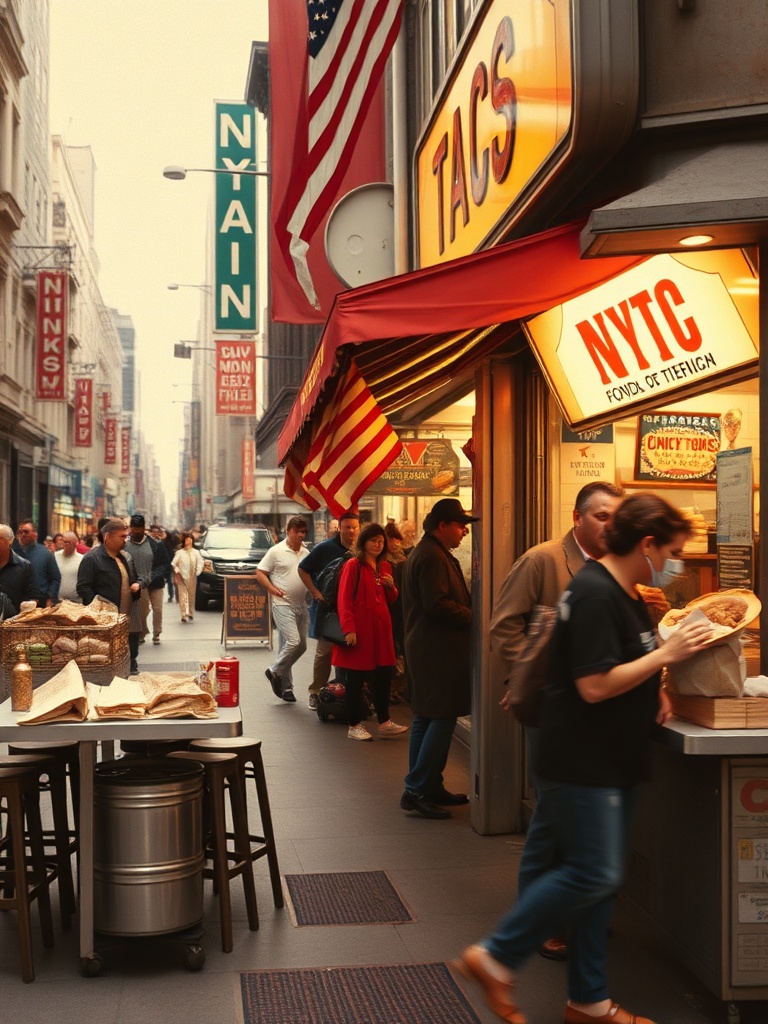
– The outer boroughs continue to surprise: small, community-driven spots often serve the city’s most authentic food at accessible prices.
Markets and food halls
Food halls and open-air markets make it easy to sample many cuisines in one visit. These spaces prioritize regional vendors, craft beverages, and chef-led stalls, making them great for groups with varying tastes. Outdoor markets also spotlight seasonal produce and artisanal goods, supporting local makers and offering fresh ingredients for home cooks.
Trends shaping the scene
Plant-forward cooking has moved beyond meatless substitutes to celebrate vegetables as the centerpiece, often using fermentation, char, and umami-rich preparations to create complexity. Fermentation and preservation techniques appear on menus as chefs look to deepen flavor profiles and reduce waste. Spice-led cuisines, especially South Asian and West African flavors, have gained mainstream appreciation, influencing sauces, marinades, and snacks across neighborhoods.
Delivery, ghost kitchens, and accessibility
Delivery options have expanded the city’s reach, with virtual kitchens and delivery-first concepts increasing variety. That convenience is balanced by a renewed interest in dining-in and outdoor seating experiences, as diners seek memorable interactions and craftsmanship. For those on a budget, bodegas, neighborhood diners, and daily specials at smaller restaurants remain reliable ways to eat well without overspending.
Sustainability and sourcing
Sustainability matters increasingly to chefs and consumers. Expect more restaurants to highlight local sourcing, seasonal menus, and reduced-waste initiatives. Many establishments now publish sourcing notes or partner with urban farms and regional purveyors to keep menus fresh and traceable.
Tips for exploring
– Go early for pastries and brunch lines, and late if chasing nightlife snacks.
– Use markets and food halls to sample multiple cuisines with minimal commitment.
– Ask locals for neighborhood favorites — some of the best places are unassuming and off the main avenues.
– Be adventurous: small, family-run kitchens often serve the most authentic renditions of regional dishes.
The city’s food scene continues to be defined by diversity, adaptability, and a willingness to experiment. From enduring classics to bold new flavors, each meal is an opportunity to explore culture, craft, and community across the boroughs.