Brooklyn’s waterfront has become a magnetic blend of green space, culinary hotspots, creative hubs, and smart urban design—drawing residents and visitors who want the energy of a city neighborhood with stretches of open water and skyline views.
What makes this transformation so compelling is how public access, adaptive reuse, and climate-forward planning have come together to shape spaces that feel both lively and livable.
Public parks that prioritize access
Linear parks and esplanades now stitch together neighborhoods from Red Hook to Greenpoint, giving people places to stroll, picnic, kayak, or simply watch the sunset behind Manhattan. These parks are designed to do more than look good: they expand public access to the East River and Upper New York Bay, add playgrounds and sports fields, and often host free cultural programming. The result is a waterfront that feels open and democratic rather than privatized.
Adaptive reuse fuels neighborhood character
Industrial buildings and warehouses have been repurposed into creative offices, studios, markets, and cultural venues.
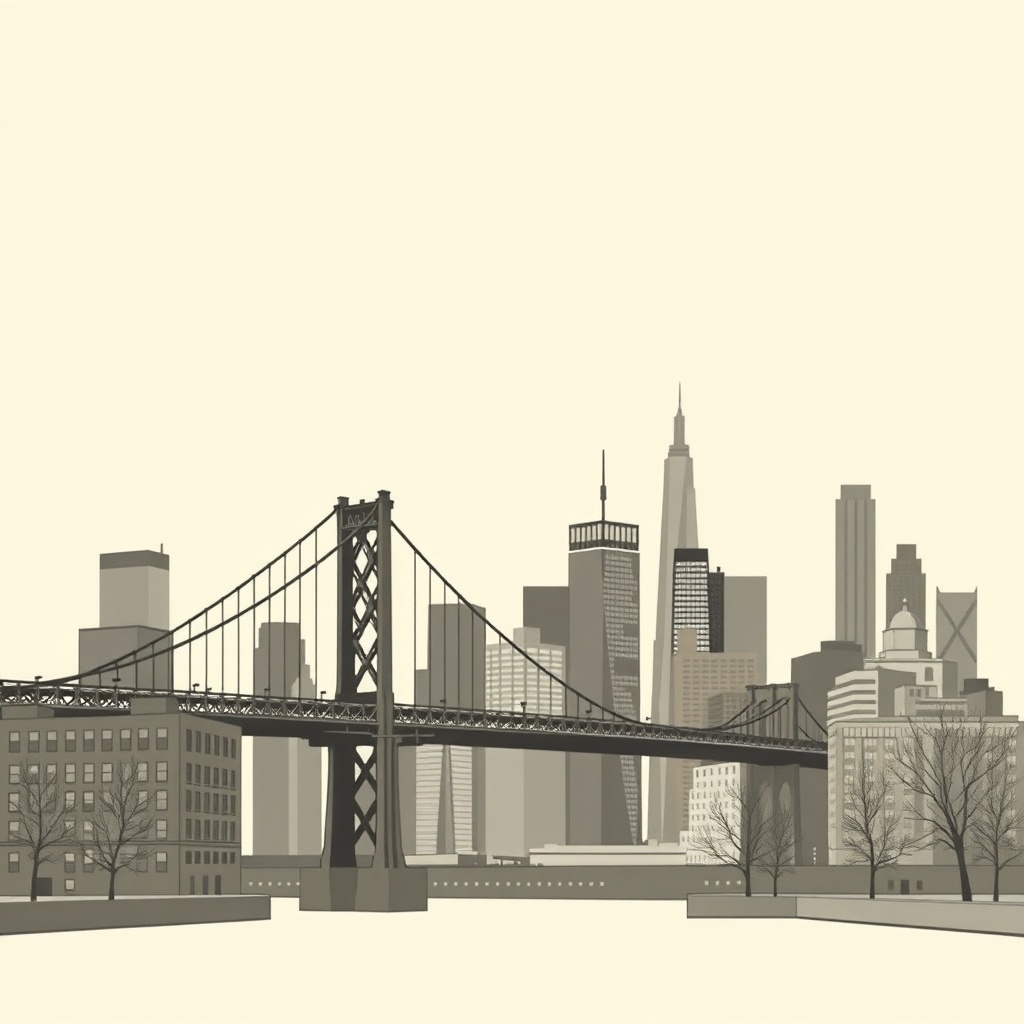
Neighborhoods known for manufacturing heritage now house design firms, artisanal food producers, and craft workshops—creating a local economy that blends old infrastructure with new livelihoods.
This approach preserves the texture of place while attracting entrepreneurs and makers who value authenticity.
Food and markets: a taste of Brooklyn
Waterfront neighborhoods host a robust food scene that goes beyond the usual tourist fare. From seafood shacks and rooftop bars to farmers markets and emerging food halls, options cater to quick bites, family dinners, and date-night dining alike.
Pop-up kitchens and weekly markets keep the culinary landscape fresh, making exploration part of the appeal.
Mobility and connectivity
Ferries, bike lanes, and pedestrian improvements have made getting to and around the waterfront easier and more enjoyable.
Waterborne transit options create scenic, traffic-free commutes; expanded bike infrastructure connects parks, cultural sites, and neighborhoods; and pedestrian-friendly promenades encourage leisurely discovery. These mobility options also help link waterfront corridors to subway lines and bus routes for broader city access.
Climate resilience and smart design
With rising water-level concerns, many waterfront projects now incorporate resilient design—elevated walkways, floodable public spaces, and living shorelines that absorb storm energy. Planners and community groups collaborate to balance built development with natural systems, aiming to protect both property and public amenities. This shift toward resilience changes how waterfronts are planned and used, ensuring places remain vibrant through changing conditions.
Community engagement and stewardship
Local organizations, civic groups, and small-business coalitions play active roles in shaping the waterfront’s future. Community-driven programming, volunteer cleanup events, and participatory planning processes help ensure that development benefits locals as well as visitors. Stewardship keeps parks clean, cultural life active, and neighborhood voices at the table.
Tips for making the most of the waterfront
– Walk a stretch: Start at a park, follow the esplanade, and hop between neighborhoods to see different vibes.
– Use the ferry: Choose a ferry for scenic commuting or a leisurely day trip.
– Explore markets: Visit a farmers market or food hall for local flavors and artisan goods.
– Check programming: Many parks and cultural venues run free or low-cost events—concerts, film nights, and family activities.
– Respect resilience zones: Observe signage in flood-ready spaces and follow recommended routes during high tide or storms.
The waterfront’s appeal comes from a thoughtful mix of access, creativity, and care. It’s a place where public life, small business energy, and urban nature converge—offering something for long-time residents and newcomers who want a dynamic, approachable piece of the city.