New York City culture is less a single scene than a mosaic of neighborhood expressions: block-party jazz in a brownstone garden, hand-lettered menus in a single-room bodega, murals that turn a transit corridor into an open-air gallery. That neighborhood-first energy—where locals build and sustain creative life—is what makes the city’s culture feel both hyperlocal and universally magnetic.
Where to start: the food scene. Beyond headline restaurants, neighborhood food culture is thriving through casual spots that fuse global flavors with New York practicality. Look for market-style halls where pop-ups incubate new concepts, halal carts and dosas parked next to craft coffee shops, and no-frills trattorias where recipes pass down through generations. Eating through neighborhoods reveals how cuisine adapts, blends, and reimagines itself—often at prices and pace that make returning a habit.
Street art and public murals are another layer of the city’s identity.
Formerly temporary pieces increasingly become community landmarks, commissioned by cultural nonprofits or created through collective mural projects. Walkable corridors in outer boroughs rival downtown galleries for creative freshness, and guided street-art walks—led by local artists—offer both context and backstory that deepen appreciation.
Independent bookstores and literary spaces continue to anchor neighborhood life. Small bookshops curate titles that reflect local voices and host events that feel more like conversations than performances: author talks in living-room settings, poetry readings where the audience and poet exchange work, and pop-up presses showcasing neighborhood histories. These shops are living archives and social hubs where discovery and human connection are central.
Live music and intimate venues remain vital. Outside headline theaters, clubs and lofts foster experimental jazz, new folk, electronic nights, and music born from cultural cross-pollination.
Many of these spaces prize listening and community over spectacle; visiting on a weeknight often unveils new artists before they land on larger stages.
Community-driven festivals and block parties are where neighborhoods celebrate themselves. These events showcase local food vendors, artisans, dancers, and musicians, and they double as micro-economies that sustain small businesses. Seasonal events—curated by neighborhood organizations—also provide entry points for visitors to experience local rhythms without the tourist gloss.
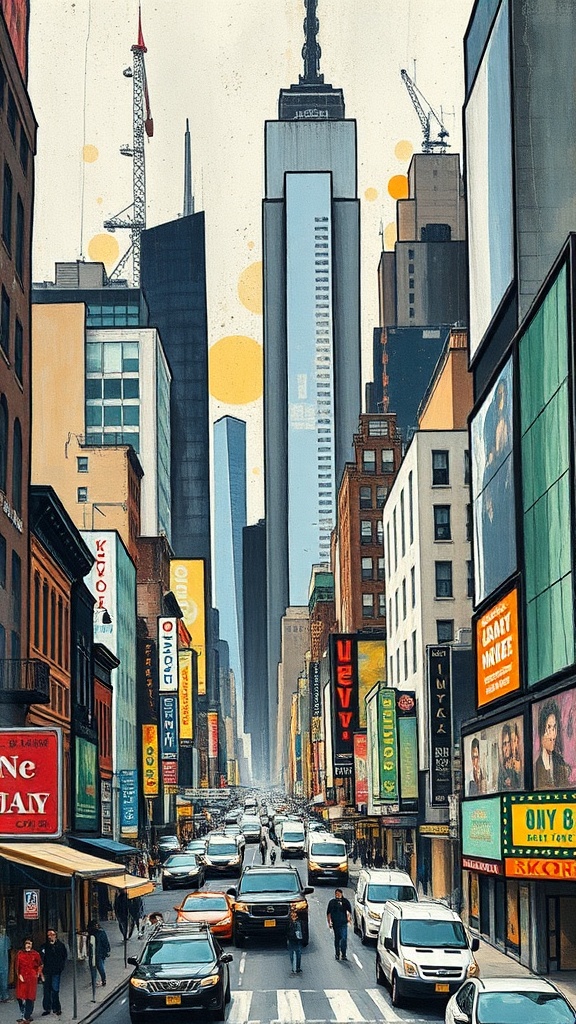
Vintage stores, independent fashion workshops, and maker spaces shape the city’s style culture. From bespoke tailoring tucked into side streets to repair-oriented boutiques that prioritize sustainable consumption, the fashion ecosystem is increasingly local, circular, and craft-focused. These shops often collaborate with artists and photographers, creating neighborhood lookbooks that reflect real people and real streets.
How to experience this culture without feeling like a tourist: walk more, plan less, and follow local eyes. Sign up for neighborhood newsletters, follow community social feeds, and pick one corner to explore deeply rather than trying to cover every borough in a single outing. Visit smaller venues on weeknights, eat at counter-service places where owners can share stories, and join free walking tours or volunteer at a local arts nonprofit to learn the behind-the-scenes work that keeps culture thriving.
The city’s neighborhoods are living, breathing cultural labs—constantly remixing food, art, sound, and fashion. By slowing down and leaning into local rhythms, visitors and residents alike can discover the layers of creativity that make the city feel endlessly new.