Brooklyn’s Waterfront: Parks, Play, and the Push for Resilient Public Space
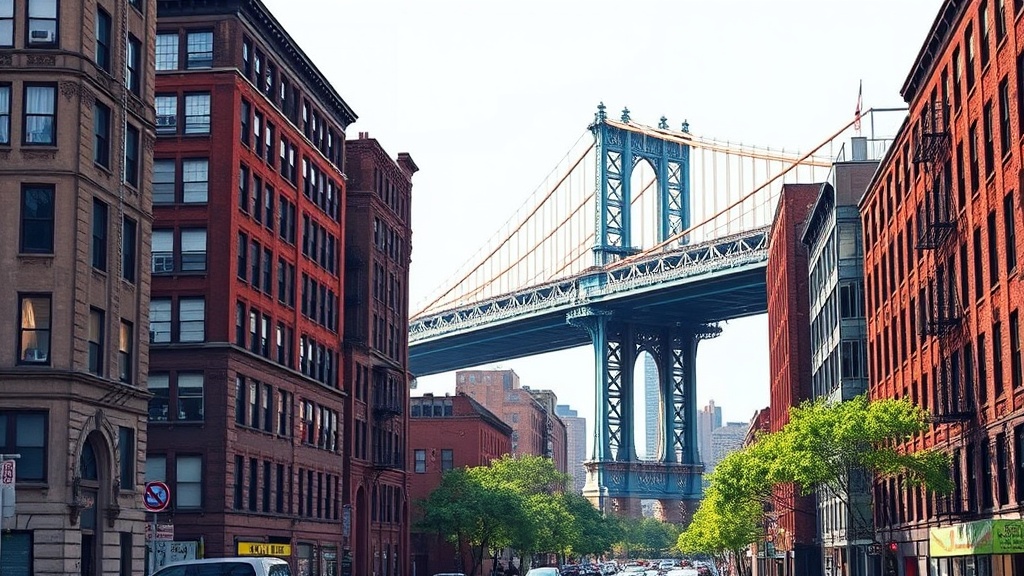
Brooklyn’s waterfront has been reshaped over recent years into a string of parks, cultural destinations, and mixed-use developments that invite residents and visitors to linger, play, and think about the future of the city’s shoreline. From the cobblestones of DUMBO to the industrial edges of Red Hook, the waterfront showcases how thoughtful design, community activism, and climate planning can coexist.
Where to go and what to see
– Brooklyn Bridge Park: Stretching along the East River, this multi-acre park offers sweeping Manhattan views, lawns for picnics, waterfront sports fields, and a calendar of free events. Ferry access and nearby subway lines make it one of the most accessible waterfront destinations.
– Domino Park: Built on the former sugar refinery site in Williamsburg, this shoreline green space blends industrial relics with modern play features, a dog run, and riverside promenades. It’s a strong example of adaptive reuse that keeps historical character visible.
– Red Hook and Atlantic Basin: Quieter than neighboring hubs, this area offers local bakeries, waterfront piers, and views that feel removed from the city’s rush.
Access is limited by transit, which preserves a neighborhood vibe.
– Brooklyn Navy Yard: A working industrial campus that now houses makers, tech startups, and design firms. Tours and public programming highlight how industry and innovation can drive neighborhood revitalization.
Design and resilience
Public space along the waterfront has shifted from purely recreational design to an emphasis on resilience. Planners now integrate floodplains, elevated promenades, and stormwater management into park design to protect both infrastructure and communities. Native plantings and permeable surfaces reduce runoff, while modular flood barriers and green berms are increasingly common. These strategies aim to keep waterfront areas vibrant even as weather patterns change.
Community engagement and affordable access
As new parks and developments arrive, community groups have pushed for equitable access and benefits. Debates about affordable housing, public amenities, and commercial development are ongoing, with neighborhood coalitions often influencing project design and programming. Successful projects tend to balance private investment with robust public input, ensuring parks serve both long-term residents and newcomers.
Transit and accessibility tips
Waterfront access is easiest by combining subway, bus, and ferry services. NYC Ferry routes connect several waterfront neighborhoods, offering scenic commutes that avoid crowded subways. Bike lanes and rental services make it simple to hop between parks.
For the most relaxing experience, visit on weekdays or early mornings to avoid crowds and enjoy unobstructed views.
Food, culture, and leisure
The waterfront’s culinary scene mirrors Brooklyn’s broader diversity: seafood-forward eateries, casual food halls, and artisanal coffee shops sit next to waterfront bars and seasonal pop-ups. Cultural programming—outdoor concerts, movie nights, and art installations—keeps the waterfront active year-round and invites repeated visits.
What to watch for
Pay attention to expanding public realm projects, community-led initiatives for shoreline protection, and adaptive reuse efforts that convert industrial sites into creative hubs.
These developments offer a model for sustainable urban growth that prioritizes both public enjoyment and long-term resilience.
Whether seeking a weekend picnic spot, a long bike ride, or a front-row view of the skyline, Brooklyn’s waterfront delivers a layered experience. Each park and pier tells part of an ongoing story about how cities can design for pleasure, equity, and the realities of a changing climate.