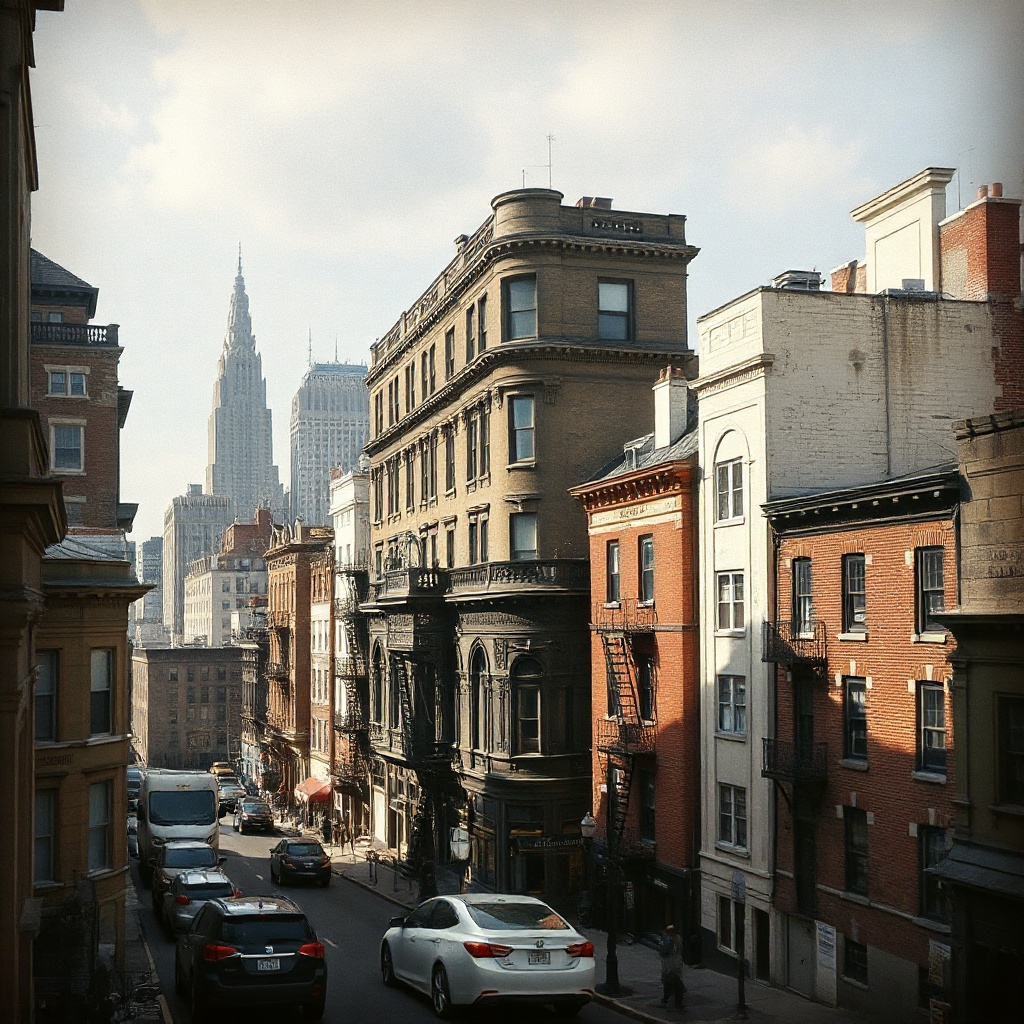
How remote work is reshaping New York neighborhoods
Remote work has quietly rebalanced the rhythms of New York neighborhoods, turning once strictly daytime business districts into more mixed-use communities where residents live, work, and socialize.
This shift affects everything from local retail and real estate to transit patterns and public space design—important factors whether you’re choosing a new neighborhood or thinking about how your block will evolve.
Where people are spending their time
With fewer people commuting every weekday, neighborhoods that were once quiet after office hours now host lively cafés, coworking spaces, and popup markets.
Residential pockets near transit hubs and cultural attractions have seen renewed interest as people prioritize convenient access to parks, food options, and broadband reliability. Areas known for strong local commerce and walkability benefit most: independent coffee shops, neighborhood grocers, and fitness studios see steadier daytime traffic that supports year-round business.
What’s changing in real estate and retail
Demand has shifted toward apartments with dedicated workspaces, plus buildings that offer flexible amenity spaces for meetings and quiet work. Landlords and developers respond with renovations that convert underused retail into flexible offices or neighborhood-focused services. Small retailers and service providers adapt by offering subscription services, delivery, and hybrid in-person/online models to capture local clientele who spend more time nearby.
Public space and transportation adaptations
Neighborhood planners and community groups are redesigning streets to support local life—expanded sidewalks, parklets, and traffic-calmed corridors make it easier to work outside a home office or meet neighbors. Cycling infrastructure and bike-share programs continue to grow, complementing public transit rather than replacing it.
Transit ridership patterns have become more varied, with more off-peak and reverse commutes that influence how neighborhoods connect across the city.
Community and cultural impacts
Remote work has opened opportunities for deeper neighborhood engagement. Community gardens, local arts initiatives, and pop-up events gain participants who have flexible schedules. At the same time, increased demand in popular neighborhoods can accelerate affordability pressures, so community-based planning and affordable housing initiatives play a critical role in keeping diverse neighborhoods accessible.
Tips for choosing a neighborhood as a remote worker
– Prioritize reliable internet and a quiet corner or the potential to add a small home office.
– Scout daytime activity: visit local cafés, libraries, and coworking spaces during weekday hours to get a real sense of the vibe.
– Check walkability and green space: parks and tree-lined streets make remote work more enjoyable and healthier.
– Look for mixed retail and service offerings nearby—grocery delivery is great, but local businesses make daily life easier.
– Talk to neighbors or local business owners about parking, noise, and community events to gauge long-term fit.
How local leaders can support positive change
Encouraging a balanced neighborhood ecosystem means investing in small business support, flexible zoning that allows adaptive reuse of storefronts, and transit service that reflects more varied travel patterns. Public-private partnerships can activate vacant ground-floor spaces and support affordable coworking options for residents who can’t build a dedicated home office.
New York neighborhoods are adapting to a new set of daily routines. The most resilient and vibrant blocks will be those that support mixing home, work, and play while keeping affordability and local culture front and center. Exploring communities with these factors in mind will help residents and businesses thrive as neighborhoods continue to evolve.