Neighborhood Cultural Hubs: How New York City’s Local Scenes Keep the City Vibrant
New York City culture thrives outside headline institutions. While museums and Broadway remain cultural anchors, the city’s true energy often comes from neighborhood cultural hubs—independent bookstores, community theaters, block galleries, pop-up food spots, and street art corridors. These grassroots scenes shape daily life, foster creative communities, and offer fresh ways to experience the city.
Why neighborhood hubs matter
Neighborhood cultural hubs make arts and culture accessible.
They turn underused storefronts into performance spaces, convert lofts into artist studios, and activate sidewalks with music and markets. This decentralization diversifies cultural offerings and creates opportunities for emerging artists and small businesses to connect directly with local audiences.
What to look for
– Independent bookstores and reading series: These venues curate local voices and host readings, creating intimate cultural moments that large institutions rarely replicate.
– Small theaters and performance spaces: Offbeat shows, experimental theater, and late-night comedy often debut in compact venues where risk-taking is welcome.
– Community galleries and open studios: Local galleries and monthly open studio events are where collectors and curious neighbors discover new talent.
– Food-focused pop-ups and markets: Culinary entrepreneurs use weekend markets and food halls to introduce innovative flavors and hybrid cuisines.
– Public art and street murals: Murals, wheatpastes, and interactive installations turn streets into open-air galleries, reflecting neighborhood histories and contemporary conversations.
How these hubs adapt and thrive
Flexibility is key. Many spaces double as coworking spots by day and performance venues by night.
Partnerships with local businesses, faith institutions, and community boards provide resources and legitimacy.
Outdoor programming also plays a big role—street fairs, park performances, and sidewalk chatter make culture something you stumble upon rather than schedule.
Finding and supporting local culture
To tap into neighborhood cultural life, prioritize discovery over prediction. Walk, bike, or take transit and notice what’s happening on side streets. Follow local newsletters, community calendars, and social feeds that spotlight grassroots events. Attend opening nights, buy a ticket to an off-off-Broadway show, pick up a book from an independent shop, or sample a vendor at a market—small actions have outsized impact.
Why this matters for the city’s future
Neighborhood cultural hubs build resilient communities. They provide affordable platforms for creators, preserve local identity, and foster social ties across diverse populations.
When residents engage with these spaces, they help sustain a cultural ecosystem that balances high-profile institutions with neighborhood expression.
Practical tips for visitors and residents
– Plan a neighborhood crawl: combine a gallery visit with a coffee shop and a live performance for a compact cultural outing.
– Go early or late: many small venues have flexible hours and surprise events that don’t make mainstream listings.
– Engage with artists and vendors: conversations often lead to invitations to studio visits or off-calendar shows.
– Support financially: buy a zine, a ticket, or a meal—micro-purchases keep local culture alive.
Neighborhood cultural hubs are where the city reinvents itself daily. They remind visitors and long-time residents alike that culture isn’t only something you see on a marquee—it’s something you live, share, and help shape.
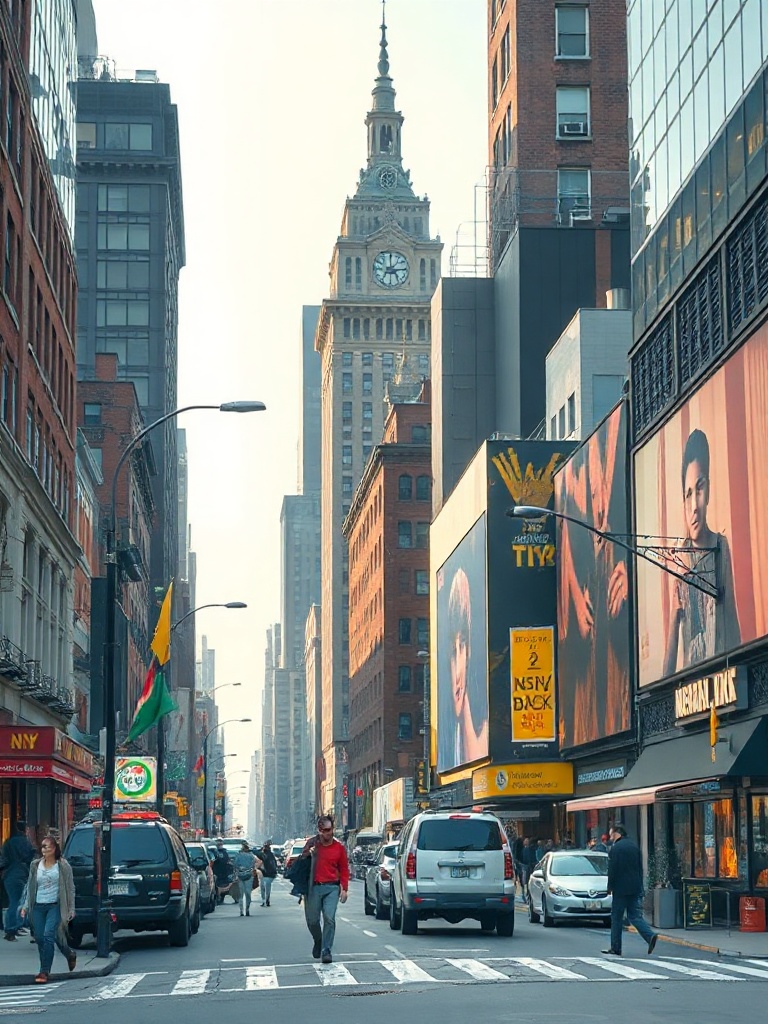
Exploring these local scenes leads to unexpected discoveries and keeps the rhythm of the city fresh and inclusive.