New York City, often described as the concrete jungle, is currently seeing a significant shift towards sustainable urban living. This transformation is largely characterized by the introduction and rapid growth of rooftop gardens, vertical farming, and the development of urban forests. This emerging green revolution reflects the city’s commitment to building a sustainable future and enhancing the quality of life for its residents.
Rooftop gardens have sprung up across the New York City skyline, transforming previously unused spaces into productive green sanctuaries. Not only do these rooftop gardens add a splash of green, but they also provide several environmental benefits. They act as insulating layers, reducing the energy required for heating and cooling. Furthermore, these green roofs absorb rainfall, minimizing the strain on the city’s stormwater management system.
Additionally, they offer a habitat for urban wildlife, contributing to biodiversity in the city.
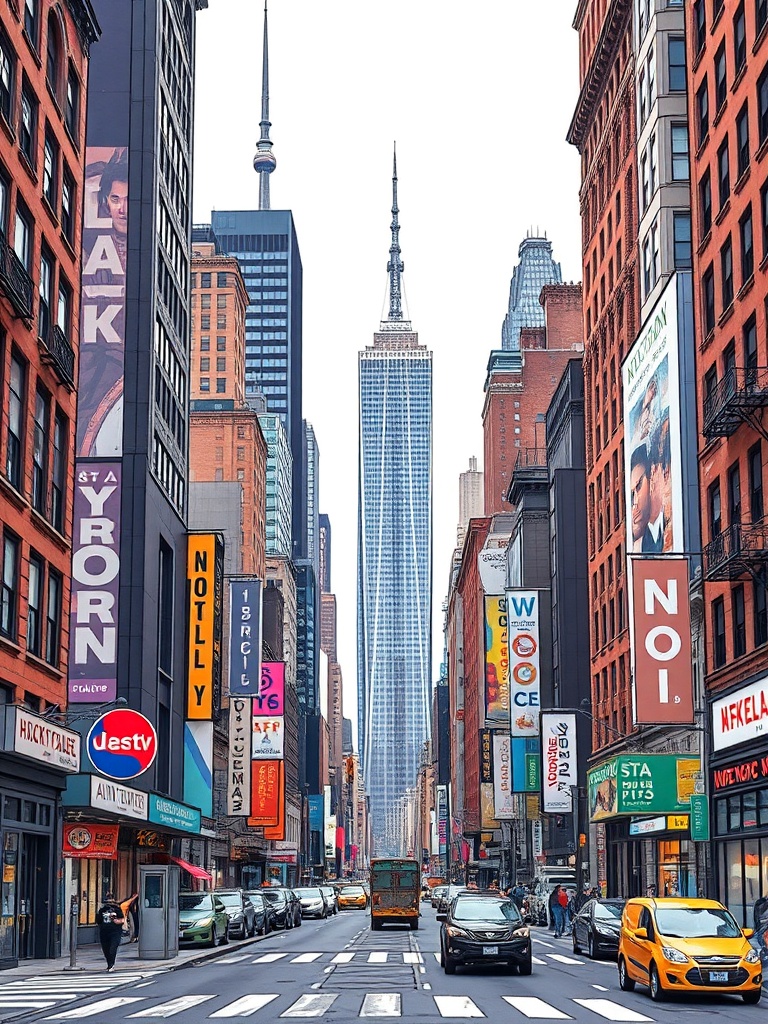
Vertical farming is another innovative approach taking root in New York City. By growing crops in vertically stacked layers, these farms optimize space, an essential factor in a city where real estate is at a premium. Vertical farms also utilize hydroponic systems, which use significantly less water than traditional farming methods. Vertical farming is not just a space-saving solution; it is a response to the increasing demand for locally sourced, fresh produce in urban areas.
New York City’s urban forests, parks, and green spaces are also playing a crucial part in this green revolution. The city’s authorities have recently launched initiatives aimed at expanding urban forests and preserving existing ones.
These urban green spaces offer residents a much-needed escape from the hustle and bustle of city life, all while improving air quality and reducing heat island effects.
But the green revolution is not just about the environment; it’s also about educating the community and fostering a sense of responsibility among citizens. Numerous community-led initiatives are springing up, encouraging residents to participate in planting and taking care of trees and plants in their neighborhoods. These initiatives also organize workshops and seminars to educate the public about sustainable horticultural practices.
The rise of the green revolution in New York City is a testament to the symbiotic relationship between urban development and sustainability. Through innovative solutions like rooftop gardens, vertical farms, and urban forests, New York City is proving that it is possible to create a green, sustainable urban environment within a bustling metropolis.
While the city’s skyline has long been characterized by towering skyscrapers, today it is punctuated by specks of green, a reflection of the city’s commitment to sustainable urban living. It’s a refreshing sight that serves as a reminder of the balance that can be achieved between development and preservation, adaptation, and respect for the environment.
So, the next time you find yourself in the city that never sleeps, take a moment to look up and appreciate the evolving urban landscape. New York City’s green revolution is a model for urban areas around the globe, showcasing that a sustainable future is possible, right here in the heart of one of the world’s most iconic cities.