Mastering New York City transit makes getting around faster, cheaper, and far less stressful. Whether you’re a visitor or a longtime resident, small habits and the right tools can turn crowded commutes into smooth trips.
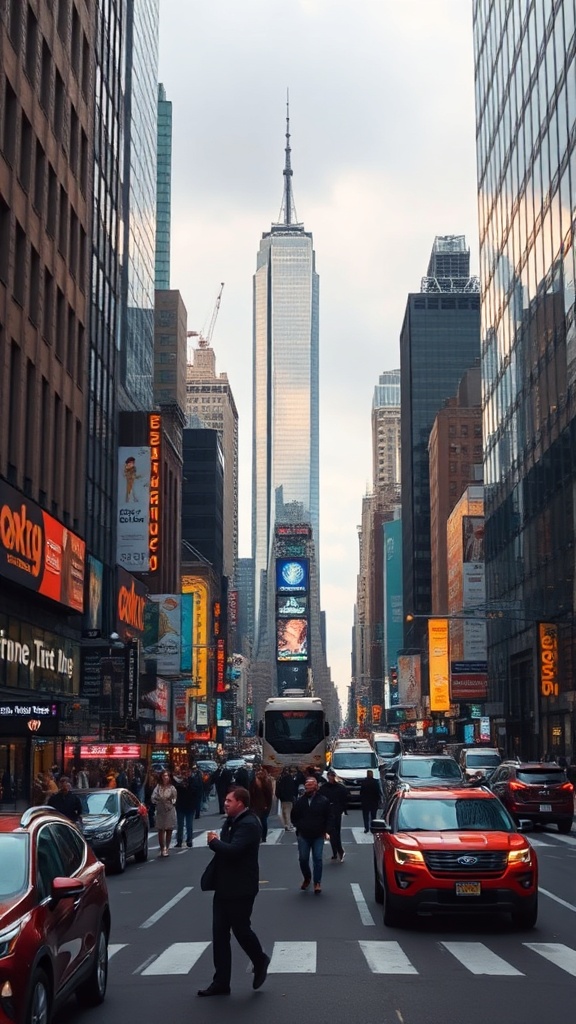
Here’s a practical guide to navigating the subway, buses, ferries, bikes, and pedestrian options like a pro.
Plan smart before you go
– Use real-time apps: Official transit apps and third‑party tools provide live arrival times, crowding information, and service alerts.
Check them before you leave and while en route.
– Look for planned service changes: Weekend maintenance and overnight work often change routes and stop patterns. A quick check can save long detours.
– Know alternative routes: Multiple lines and bus corridors often connect the same neighborhoods; learn two or three options so you can pivot when there’s a delay.
Subway basics that save time
– Tap-to-pay is the easiest option: Contactless fares via mobile wallets or transit cards speed entry and reduce lines at vending machines.
– Choose your platform position: Standing near the train’s middle or toward the ends can cut transfer walking time at many stations.
If you’re worried about crowding, try a less-used car—middle cars are sometimes less packed on peak trains.
– Watch the express vs.
local pattern: On trunk lines, express trains skip stops and can shave significant time. If your station is served only by local trains, time your connection at a major transfer hub.
– Be transfer-savvy: Some stations have shorter transfer walks than others. If your planned transfer looks long, consider getting off at the next stop and riding back.
Buses, bus lanes, and faster trips
– Board at the back door only where allowed and tap as you board: Many corridors have dedicated lanes and signal priority that keep buses moving.
– Learn high-frequency routes: Certain bus lines run often enough that you don’t need a schedule—just show up and go.
– Use bus apps for boarding decisions: Real-time bus arrival info reduces anxiety about whether to wait or walk.
Ferries and scenic commutes
– Ferries can be a relaxing, reliable alternative to bridges and tunnels for waterfront neighborhoods. They often provide more predictable travel when roads and subways are disrupted.
– Check boarding locations and connections: Ferry terminals link with buses and local transit—plan the last mile ahead.
Biking, e-bikes, and shared systems
– Docked and dockless bike programs provide flexible short-trip options. For longer commutes, e-bikes can help with hills and headwinds—just observe local speed and safety rules.
– Stick to protected bike lanes when possible, use lights at night, and signal your moves to other riders and drivers.
– For mixed-mode commutes, plan where you’ll park or dock: popular stations can fill up during peak times.
Accessibility and comfort
– If you need step-free access, consult accessibility maps and elevator status tools before you travel. Many stations maintain elevators and ramps, but availability can change.
– Traveling with luggage or strollers? Choose stations with fewer stairs and use less crowded cars near the center of the platform.
Safety and etiquette
– Keep bags zipped and close, move toward the center of the car to allow boarding, and offer seats to those who need them.
– Stand clear of closing doors, and stay behind platform lines until trains stop. If you see an emergency, alert the operator or use the emergency intercom.
Final tip: experiment. Try a ferry one day, a different subway transfer on another, or a short bike ride—small adjustments will reveal the fastest, most pleasant routes for your routine. With a bit of planning and the right apps, getting around the city becomes less about commuting and more about moving efficiently through a lively urban landscape.